How Hollywood Studios Manage to Lose Money on Movies That Make a Billion Dollars
17 Feb 2021 Leave a comment
in movies, television
The B-29: America’s Flying Superfortress
16 Feb 2021 Leave a comment
in defence economics, war and peace Tags: atomic bombings, World War II
The Incredibly Stupid One” (Stories from The Vietnam War)
16 Feb 2021 Leave a comment
in defence economics, laws of war, war and peace Tags: Vietnam war
Parasitic Ideas: Postmodernism w/Gad Saad and Jordan B Peterson
16 Feb 2021 Leave a comment
in economics of education, law and economics, liberalism, Marxist economics
Lost on @oxfam @Greenpeace @AOC @BernieSanders
16 Feb 2021 Leave a comment
in applied price theory, comparative institutional analysis, development economics, economic history, economics of bureaucracy, energy economics, environmental economics, global warming, growth disasters, income redistribution, Marxist economics, Public Choice, rentseeking Tags: climate alarmists, The Great Enrichment

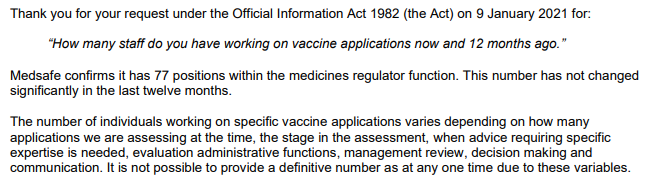
No new hirings at Medsafe despite need to fast track 4 #Covid19 vaccines!
15 Feb 2021 Leave a comment
The Florence Supermax: America’s Toughest Prison
15 Feb 2021 Leave a comment
in economics of crime, law and economics
Allied War Economy During World War 1 I THE GREAT WAR Special
15 Feb 2021 Leave a comment
in defence economics, war and peace Tags: World War I
Star Trek: 10 Secrets Of The Enterprise NX-01 You Need To Know ft. Doug Drexler
15 Feb 2021 Leave a comment
in television
Biden’s climate ‘fix’ is fantastically expensive and perfectly useless-Bjorn Lomborg
15 Feb 2021 Leave a comment
The End of Roman Britain II
14 Feb 2021 Leave a comment

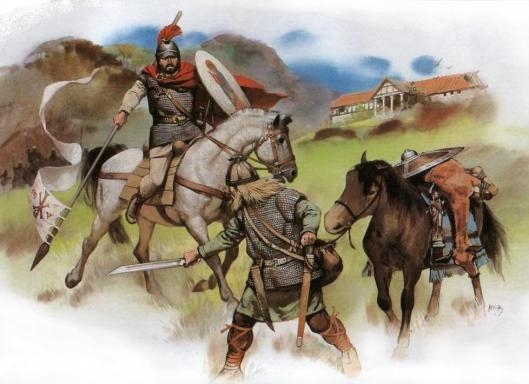
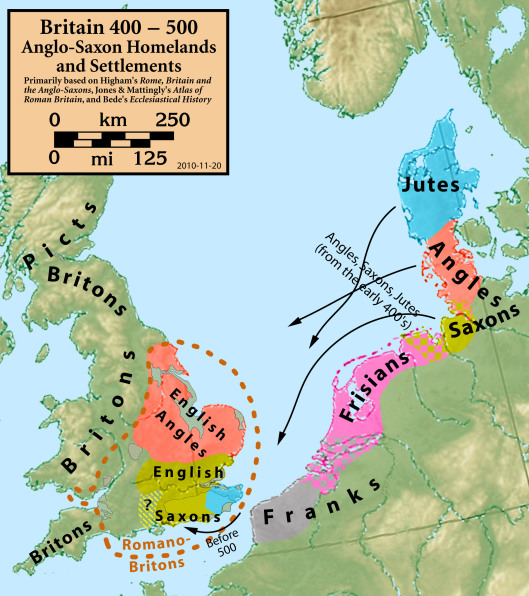

Yet Saxon raids continued. The Yorkshire signal stations came under attack at least twice, Huntcliff and Goldborough being savagely destroyed. Hadrian’s Wall ceased to function as an effective barrier. Forts remained in use but each may have organized its own defence. The soldiers had always been paid in coinage sent from Rome that then filtered through the population as goods were bought outside the forts. Coins from Roman mints began to cease after about AD 402. This cessation of money being sent from Rome or from the mints may have been because transporting coinage may have become too difficult and risky when crossing Gaul. Cash was also required elsewhere in the empire and Stilicho may just have stopped payments, believing it was a waste to send coinage to Britain. Local mints did not supply coins either because of the lack of good metal or because of difficulties in production. Whatever…
View original post 1,938 more words


Recent Comments