It’s Subsidised Wind & Solar or Meaningful Well-Paid Jobs: But You Can’t Have Both
10 Feb 2021 Leave a comment


Australian power prices went through the roof as a result of its obsession with chaotically intermittent and heavily subsidised wind and solar (see above).
The relationship is so stark, why even a blind man, open to reality, will readily see it. However, no amount of evidence appears to register with those who pretend to govern us.
In the week just gone, Australia’s PM, Scott Morrison confirmed (if there was much doubt?) that he’s off with the fairies, with a commitment to Australia hitting a “net-zero emissions” target by 2050. Central to which is the even wilder and more fantastic claim that the target will be hit by “clean hydrogen”. Whatever on earth that means?
If Scotty from marketing thinks that we’ll soon be converting all of our ‘excess’ wind and solar power into a gas that no industrialised country has managed to tame in any great volume, as the Americans…
View original post 878 more words
Who will hate speech laws actually silence?
10 Feb 2021 Leave a comment
in defence economics, discrimination, economics of crime, law and economics, politics - Australia, politics - New Zealand, politics - USA, Public Choice, war and peace Tags: free speech, political correctness, regressive left, unintended consequences
Liberia II
10 Feb 2021 Leave a comment

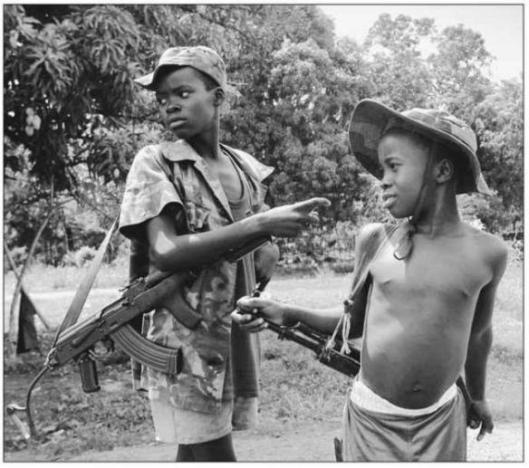
Because AKs are inexpensive, easy to fire, require almost no training, need few repairs or maintenance, they are ideally suited for child soldiers. As many as 80 percent of the Revolutionary United Front (RUF) rebels in Sierra Leone, shown here, were boys and girls between seven and fourteen.
Within seven months of his invasion, barely noticed by the outside world, Taylor and an estimated five thousand guerillas reached the outskirts of Monrovia with their sights set on the presidential mansion where Doe had hunkered down. Despite his oppressive regime, Doe’s government had received more than half a billion dollars from the United States since the 1980s. In exchange, Doe pushed out the Soviets and permitted U.S. access to ports and land.
During the capital’s siege, U.S. Marines offered Doe safe passage out of Liberia in August along with U.S. citizens and other foreign nationals, but he refused. Doe’s rule ended…
View original post 1,353 more words
The End of Roman Britain I
10 Feb 2021 Leave a comment
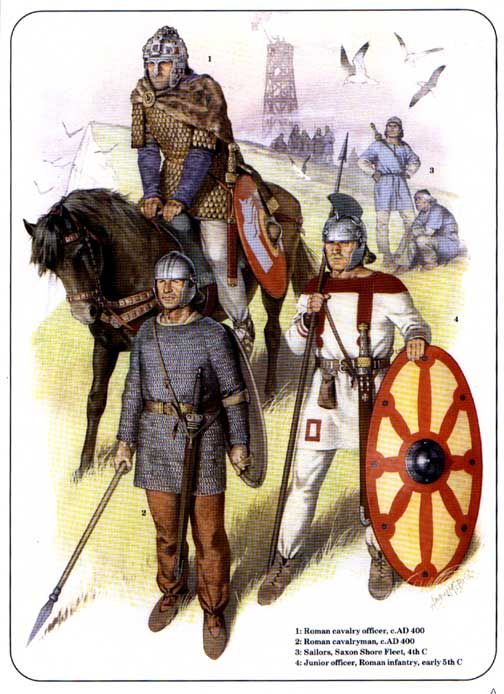
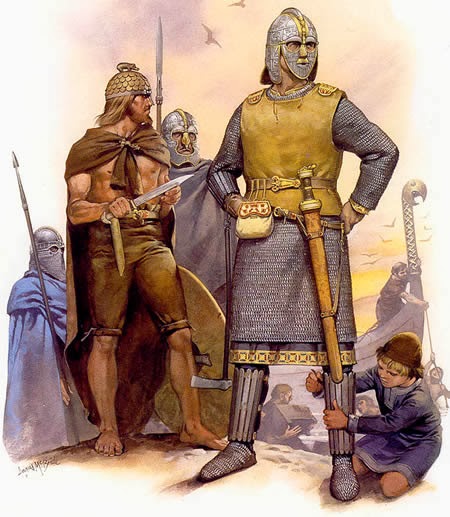
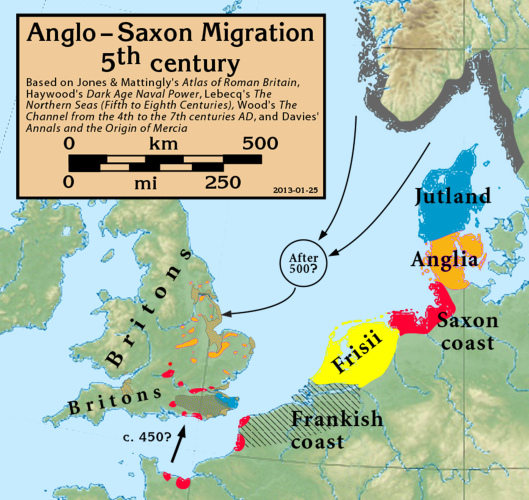
In AD 378 the Romans suffered a catastrophic defeat at Adrianople where two-thirds of their eastern army was destroyed. Troops had to be brought from the west, which included those in Britain. In addition provincial barbarians led by their own kings and chieftains filled the ranks. In Britain there were campaigns against the Picts and the Scots led by Magnus Maximus, a Spaniard, who had been with Theodosius in Britain in AD 367–9 and had been sent back to organize the province’s defences. He was successful in these campaigns but was resentful that he had not been promoted to higher office. In AD 383, making himself popular with the troops and taking advantage of their resentment against Gratian, he got himself acclaimed emperor. He left for Gaul, taking with him a large number of troops from Britain, probably from some of the forts in Wales and the northern Pennines that…
View original post 2,082 more words
Finance Manager Interview #007 – David Friedman
10 Feb 2021 Leave a comment
in applied price theory, applied welfare economics, Austrian economics, comparative institutional analysis, constitutional political economy, David Friedman, defence economics, economic history, economics of crime, history of economic thought, human capital, industrial organisation, labour economics, labour supply, law and economics, occupational choice, poverty and inequality, property rights, Richard Posner, Ronald Coase
Not really
09 Feb 2021 Leave a comment

Late on Friday afternoon I saw a tweet from Stuff politics and economics journalist Thomas Coughlan linking to a new and substantive article he’d written under the headline “Reserve Bank repeatedly warned Government money printing would lead to house price inflation”. Several other journalists who’ve each had a bee in their bonnet about the Reserve Bank’s asset purchase programme weighed in in support. None of them is too keen on Grant Robertson, and so it was presented as if they’d found evidence that the Minister of Finance had spent the year ignoring things that were not only totally predictable, but of which he had been advised by his officials. The Bank knew (we are told), as did The Treasury, but Robertson fiddled while Rome burned. Or so the story goes.
Now I yield to no one in my distaste for this government’s 3.5 years of appalling indifference to the…
View original post 2,519 more words
The Beatles – I Want To Hold Your Hand – Performed Live On The Ed Sullivan Show 2/9/64
09 Feb 2021 Leave a comment
in Music, television
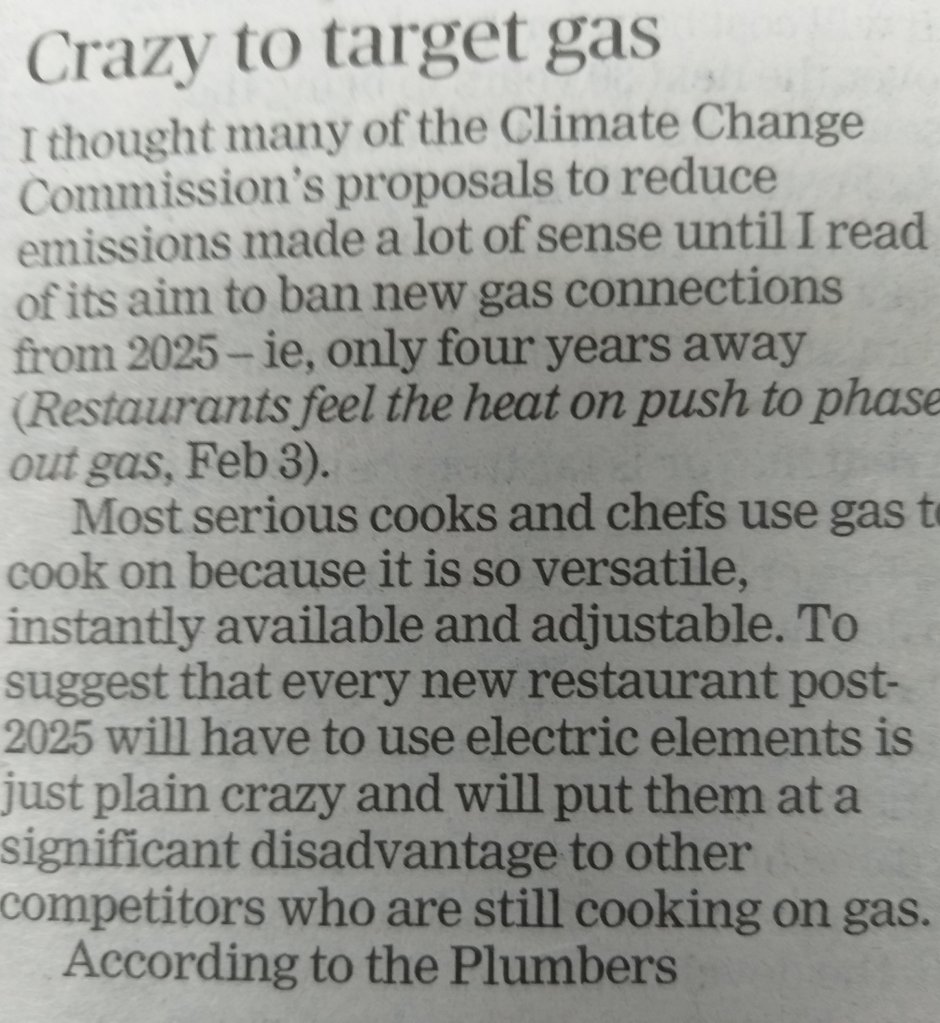
.@ClimateCommNZ has banned new restaurants
09 Feb 2021 Leave a comment
in applied price theory, comparative institutional analysis, energy economics, entrepreneurship, environmental economics, global warming, industrial organisation, politics - New Zealand, survivor principle Tags: climate alarmists, unintended consequences

Why SJW’s Can’t Apologize
09 Feb 2021 Leave a comment
in law and economics, liberalism, libertarianism, Marxist economics, politics - USA Tags: free speech, political correctness, regressive left
Former CIA Chief of Disguise Breaks Down Cold War Spy Cameras | WIRED
09 Feb 2021 Leave a comment
in defence economics, war and peace Tags: Cold War
COLONEL WILLIAM J. DONOVAN
09 Feb 2021 Leave a comment
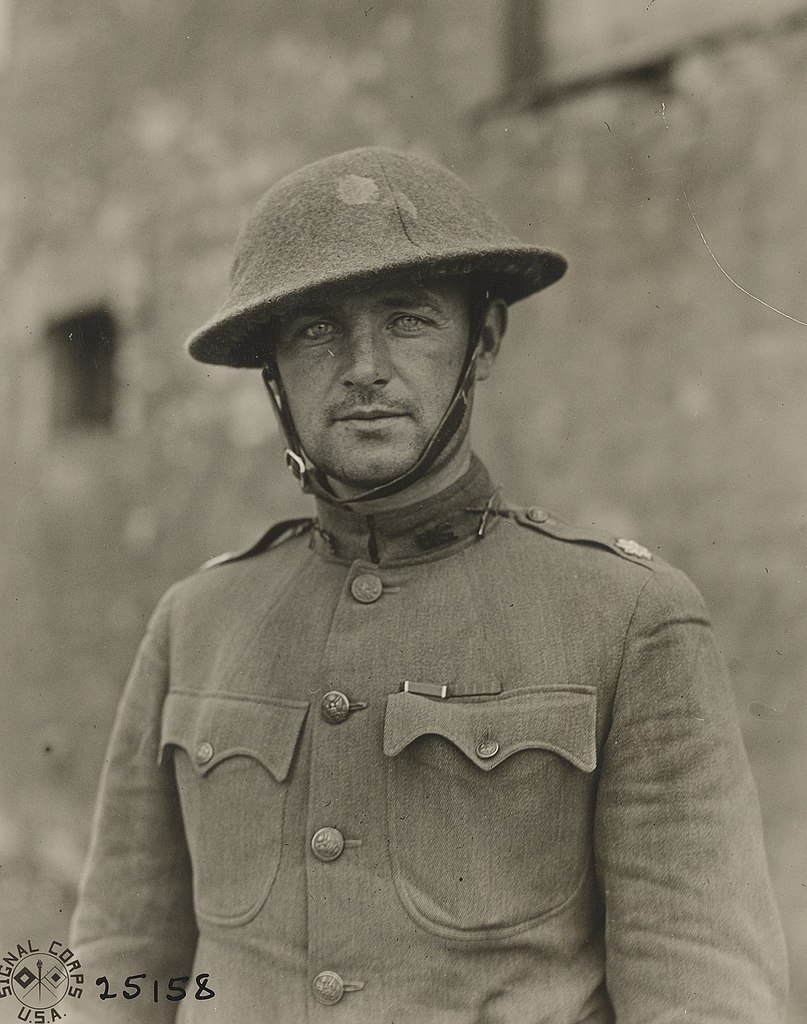
| Lt. Col. Donovan , 165th Reg. Inf. formerly 69th Regt. Inf. N.Y.N.G., 42nd division. Note the stripes indicating the D.S.C. which he won for bravery at Château-Thierry and the french Croix de Guerre which he was awarded on another occasion. Hazavant, France. 6 September 1918 |
William J. Donovan was combat leader, envoy, unconventional warrior, spymaster, and ambassador. His leadership in the 165th Infantry Regiment of Pershing’s American Expeditionary Forces (AEF) during the Great War demonstrated his courage, ability, and potential to become one of the most influential (and famous) Americans of his time. He received some of the nation’s highest decorations for heroism and public service. In doing so, he became the future patron of two elite U.S. organizations – the Central Intelligence Agency and the U.S. Army’s Special Forces – both of which claim descent from the Office of Strategic Services he would later found to conduct the deadly…
View original post 3,759 more words


Recent Comments