
Was the #COVID19 reallocation shock panic buying rational?
19 Nov 2020 Leave a comment
in health economics, politics - Australia, politics - New Zealand Tags: economics of pandemics
A little known gender gap. Medical trials often exclude women of child bearing age
19 Nov 2020 Leave a comment
in gender, health economics Tags: Drug safety

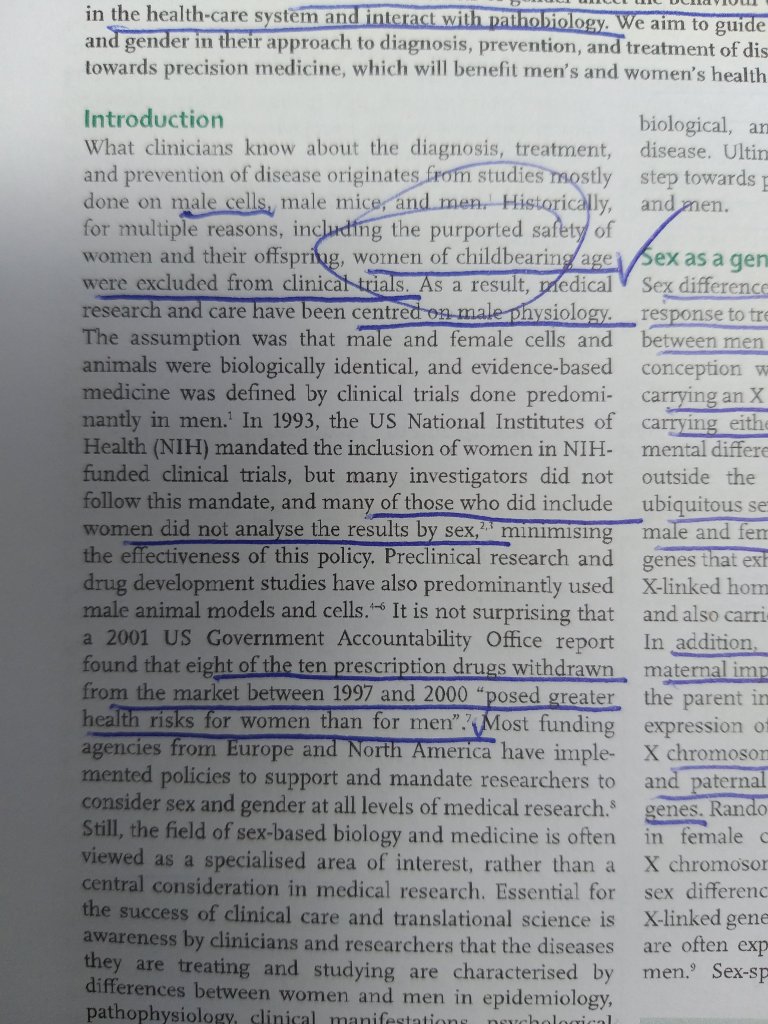
The long-term effects of capital gains taxes
19 Nov 2020 1 Comment
in applied price theory, applied welfare economics, income redistribution, politics - New Zealand, poverty and inequality, Public Choice, public economics, rentseeking, urban economics Tags: capital gains tax, housing affordability, land supply, taxation and investment
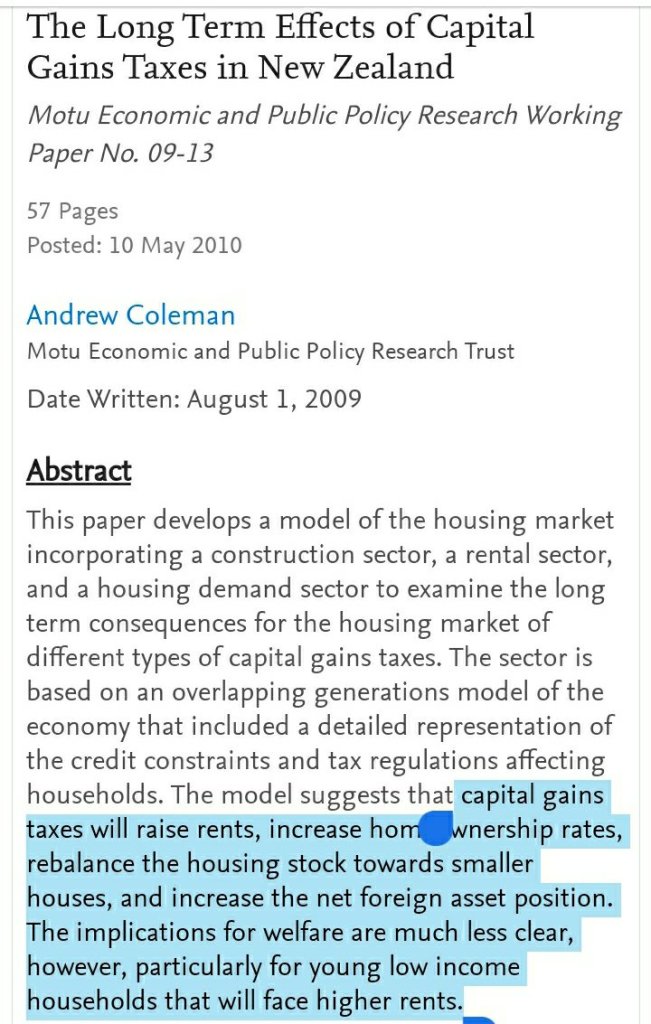
November 17, 1558: Death of Mary I, Queen of England and Ireland. Part II.
19 Nov 2020 Leave a comment

Infante Felpie of Spain was unhappy at the conditions imposed on him in his marriage to Queen Mary, but he was ready to agree for the sake of securing the marriage. He had no amorous or romantic feelings toward Mary and sought the marriage for its political and strategic gains; Felipe’s aide Ruy Gómez de Silva wrote to a correspondent in Brussels, “the marriage was concluded for no fleshly consideration, but in order to remedy the disorders of this kingdom and to preserve the Low Countries.”
To elevate his son to Mary’s rank, Felipe’s father, Holy Roman Emperor Charles V ceded to Felipe the crown of Naples as well as his claim to the Kingdom of Jerusalem. Therefore, Mary became Queen of Naples and titular Queen of Jerusalem upon marriage.
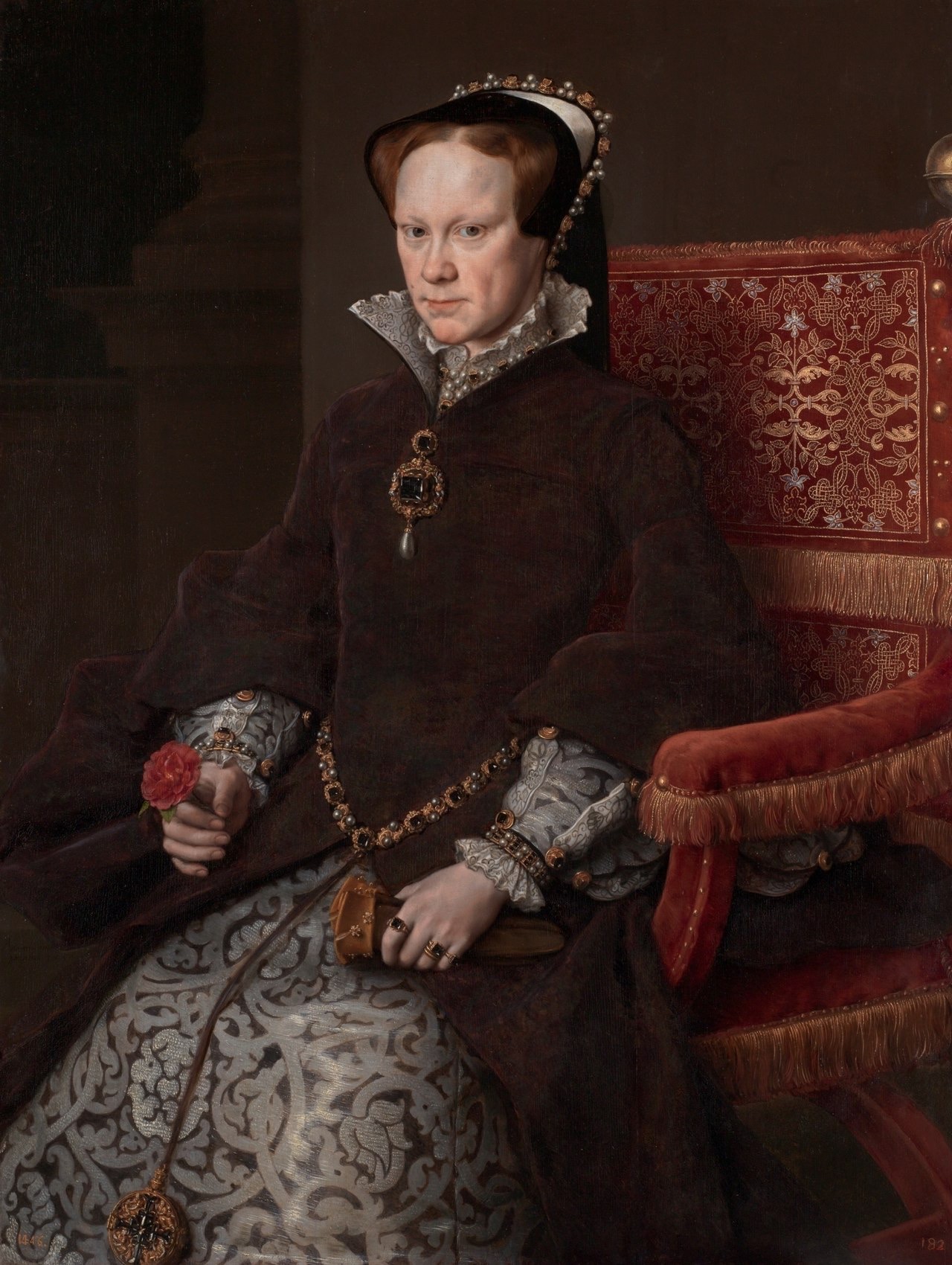
Their wedding at Winchester Cathedral on July 25, 1554 took place just two days after their first meeting. Felipe could…
View original post 694 more words
Deception and Dust-ups – Desert Warfare Tactics – WW2 Special
19 Nov 2020 Leave a comment
in defence economics, war and peace Tags: World War II
#endcoal’s lack of progress #globalwarming #climateemergency @GreenpeaceAP @Greens
19 Nov 2020 Leave a comment


Electric cars are good fun for wealthy virtue signallers, but a dreadful way to save the planet
18 Nov 2020 Leave a comment
Waiting For Godot by Samuel Beckett (1953)
18 Nov 2020 Leave a comment

ESTRAGON: Nothing happens, nobody comes, nobody goes, it’s awful!
Beckett dashed off Waiting For Godot in just four months, October 1948 to January 1949. It was written in a break between the second novel of the Beckett Trilogy, Malone Dies (written November 1947 to May 1948) and the third and final instalment of the trilogy, The Unnamable, which Beckett laboured over from March 1949 to January 1950.
Godot was, therefore, written during the Berlin Airlift (June 1948 to September 1949) when many people thought Europe was on the brink of a Third World War, when nuclear apocalypse was on a lot of people’s minds.
All these books were first written in French, as was Waiting For Godot, whose original French title is En Attendant Godot.
Waiting For Godot was first produced at a tiny French theatre, the Théâtre de Babylone in Paris, starting in December 1952. It…
View original post 4,345 more words
PM’s “green industrial revolution” plan hits the road — subsidies all round
18 Nov 2020 Leave a comment

 Image credit: BBC
Of course the assumption behind most of this is that the climate needs ‘saving’ from the demonic trace gas CO2, according to failing climate models anyway. We’ll skip most of the BBC commentary and show the main points of the plan. The expressed aim is ‘to put the UK on track to meet its goal of net zero emissions by 2050’. No sign of the eye-watering costs, in this report at least.
– – –
New cars and vans powered wholly by petrol and diesel will not be sold in the UK from 2030, Boris Johnson has said.
But some hybrids would still be allowed, he confirmed.
It is part of what the prime minister calls a “green industrial revolution” to tackle climate change and create jobs in industries such as nuclear.
View original post 347 more words
Irony Alert: Cloudier Climate Leaves Weather Worriers Panicking About Future for Solar Power
18 Nov 2020 Leave a comment

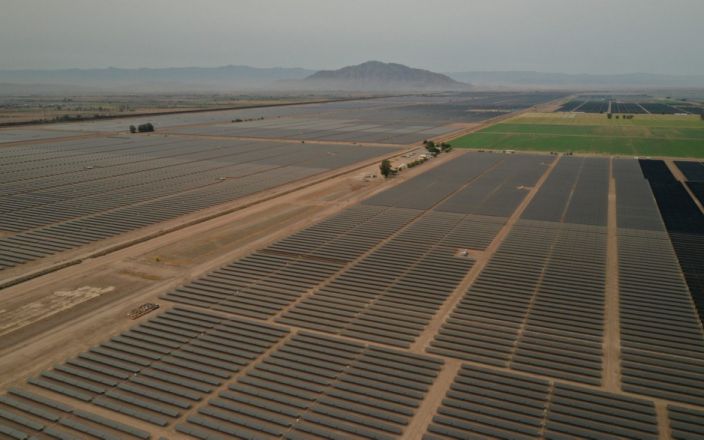
Apparently, not every cloud is silver lined, especially when it’s a bank of cumulonimbus stubbornly parked between your solar panels and the Sun.
Since ‘global warming’ was rebadged as ‘climate change’, we’ve been told to expect all sorts of ‘unprecedented’ extremes. Which means there’s a possibility of more calm weather (with unprecedented calmness), which doesn’t augur well for our wind powered future.
Likewise, we’re now being told to expect more heavily clouded skies, no doubt, unprecedented, as well.
If, indeed, our days become cloudier and/or there are more of them, then solar’s occasional contribution to our daily demand for power will plummet to a measly trickle.
What a delicious irony it will be if it’s a changing climate that throws a spanner in the works, and brings our ‘inevitable transition’ to an all wind and sun powered future to a grinding halt.
Olivia Rudgard takes a look at a new…
View original post 604 more words
Is Japan a Role Model for the United States?
18 Nov 2020 Leave a comment

Japan is an interesting country to examine if you want insights about public policy.
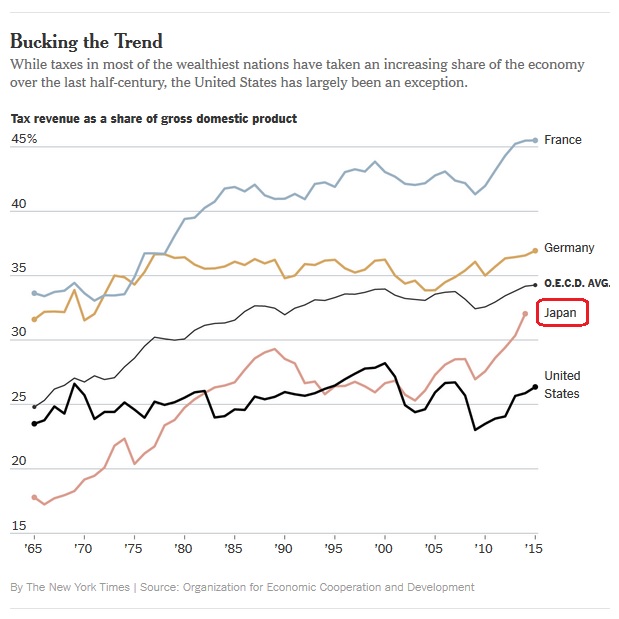 We can study the impact of population aging on fiscal outcomes.
- We can learn about the utter failure of Keynesian economics.
- We can understand why it’s a very bad idea to impose a value-added tax.
- We can find out that a higher tax burden is bad news.
- We can determine that higher spending is bad news.
Overall, I have a pessimistic view of Japan, but not because it has terrible policy by world standards (it’s currently ranked #20 for economic liberty).
Instead, my concern is that it is drifting in the wrong direction (it was ranked in the top 10 for economic freedom in the mid-1950s) and the country is dealing with grim demographics.
But not everyone shares my view. Indeed, some people even think Japan is a role model. Here are some…
View original post 627 more words
Funding for lending and other myths
18 Nov 2020 Leave a comment

There is a huge number of stories around at present on various aspects of monetary policy and the (successive) governments-made housing market disaster (the two being, in fundamentals, quite unrelated). Were I in fine full health and energy I’d no doubt be writing about many of them. Instead, I’m going to focus here just on the controversy around the Reserve Bank’s so-called Funding for Lending programme, the details of which were announced last week.
It isn’t always inviting to defend the Reserve Bank, since they are often (as here) their own worst enemy, but on the essence of the FLP programme I’m mostly going to. That doesn’t mean I think it is a particularly good scheme – there is a perfectly straightforward way to lower interest rates (the OCR), which influences the exchange rate as well, that they simply refuse to use. And they have named the scheme in a…
View original post 1,281 more words
November 17, 1558: Death of Mary I, Queen of England and Ireland. Part I.
18 Nov 2020 Leave a comment
Mary I (February 18, 1516 – November 17, 1558), also known as Mary Tudor and “Bloody Mary” by her Protestant opponents, was the Queen of England and Ireland from July 1553 until her death. She is best known for her vigorous attempt to reverse the English Reformation, which had begun during the reign of her father, Henry VIII. Her attempt to restore to the Church the property confiscated in the previous two reigns was largely thwarted by parliament, but during her five-year reign, Mary had over 280 religious dissenters burned at the stake in the Marian persecutions.
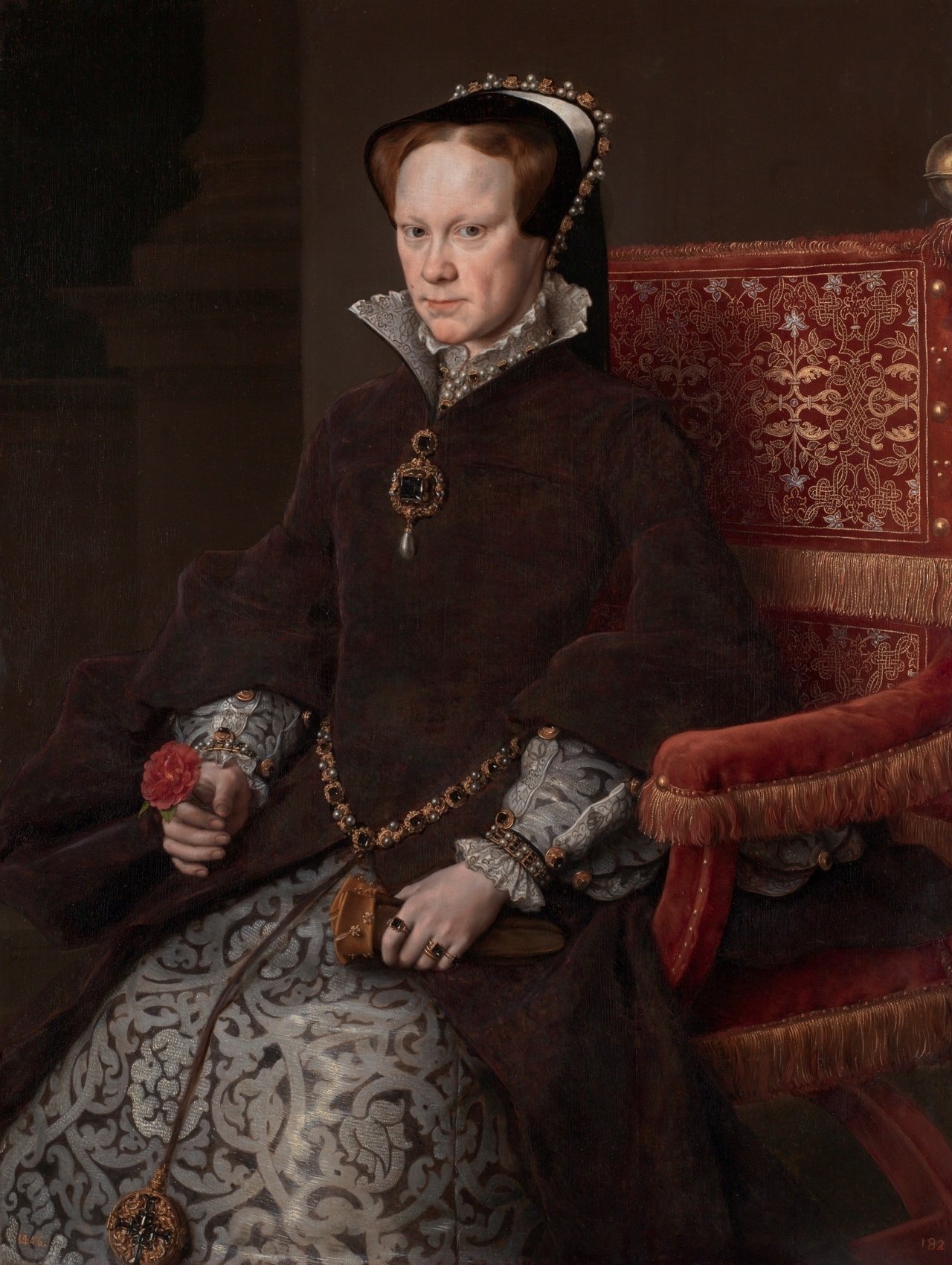
Mary was born at the Palace of Placentia in Greenwich, England. She was the only child of King Henry VIII and his first wife Catherine of Aragon to survive infancy. Her mother had suffered many miscarriages. Before Mary’s birth, four previous pregnancies had resulted in a stillborn daughter and three short-lived or stillborn sons…
View original post 939 more words


Recent Comments