Hoges impersonating Molly Meldrum better than Molly!
08 Nov 2020 Leave a comment
in Music, television
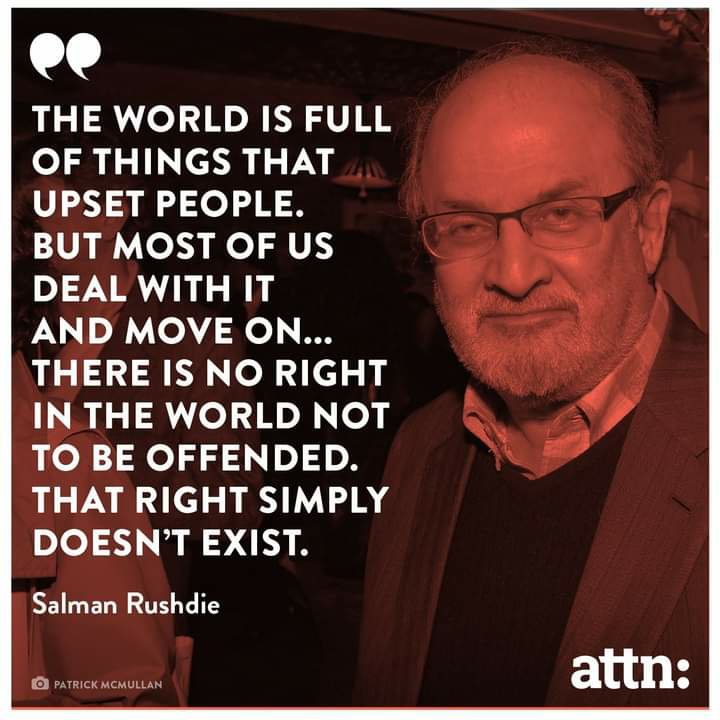
Antonin Scalia – Philosophy of an Originalist
08 Nov 2020 Leave a comment
in comparative institutional analysis, law and economics, politics - USA Tags: constitutional law
The Colonial Powers You Never Heard Of: Minor Colonizers of the World
08 Nov 2020 Leave a comment
in economic history Tags: age of empires, economics of colonialism
Herd Immunity as a Coronavirus Pandemic Strategy
07 Nov 2020 Leave a comment
in applied welfare economics, economics of bureaucracy, health economics, politics - Australia, politics - New Zealand, politics - USA, Public Choice Tags: economics of pandemics
Shackleton and His Epic Trek After Being Stranded In the Antarctic
07 Nov 2020 Leave a comment
in economic history, economics of media and culture
Woke to a tee
07 Nov 2020 Leave a comment
in liberalism, Marxist economics, politics - Australia, politics - New Zealand, politics - USA Tags: free speech, meddlesome preferences, political correctness, regressive left

The European Resistance Movements of WWII Part II
07 Nov 2020 Leave a comment

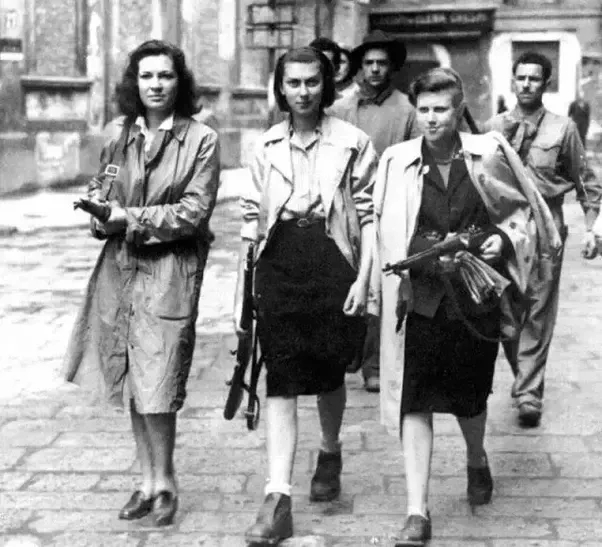
In France things were slower getting off the ground. The Vichy regime and the Armistice Army took some of the sting out of occupation initially and led to a degree of confusion as to who was actually the enemy, and where effort ought to be directed. Resistance grew up in both the occupied and the Vichy zones, but the simple existence of an ostensibly legitimate government served to make overt resistance a matter of argument. When the Germans occupied all of France after the Allied invasion of French North Africa the issue became clearer. The Armistice Army dissolved, Vichy was removed as an intermediary, and the French stood face to face with the conqueror. By that time there was already a cadre of resisters living in hiding, not only the normal underground resisters, but also the genesis of a partisan army, spawned by the labor draft and the roundup of…
View original post 2,638 more words
The European Resistance Movements of WWII Part I
07 Nov 2020 Leave a comment
The earliest French resisters found the Communists completely uninterested in them; the Reds marched to a drum beaten in Moscow, and as long as the Russo-German Nonaggression Pact was in force, they were well behaved. As soon as Germany invaded the Soviet Union the Communists became violent anti-Nazis. They were also quite willing to shed blood, their own as well as others’. They believed that if killings caused reprisals, the reprisals in turn caused more killings, and they were content to see villages wiped out if that would ultimately bring more people into the fight against the Fascists. Ideologically, everyone who was not a Communist was an enemy, so it meant little to them if innocents died. “Innocent” was not a word in their vocabulary.
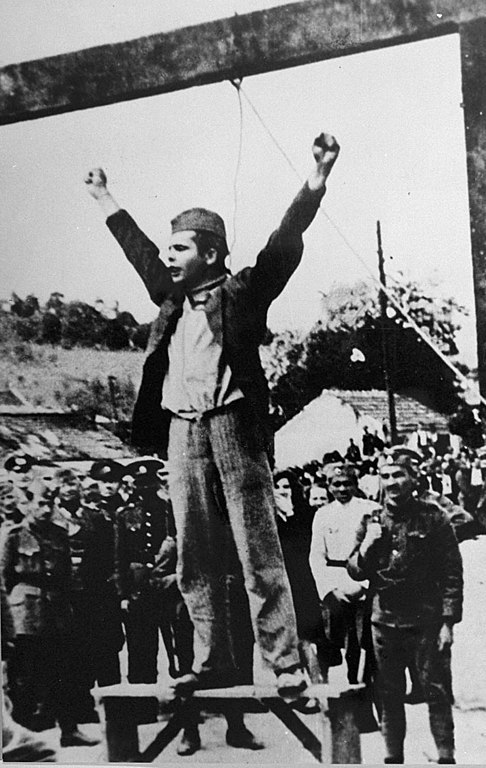
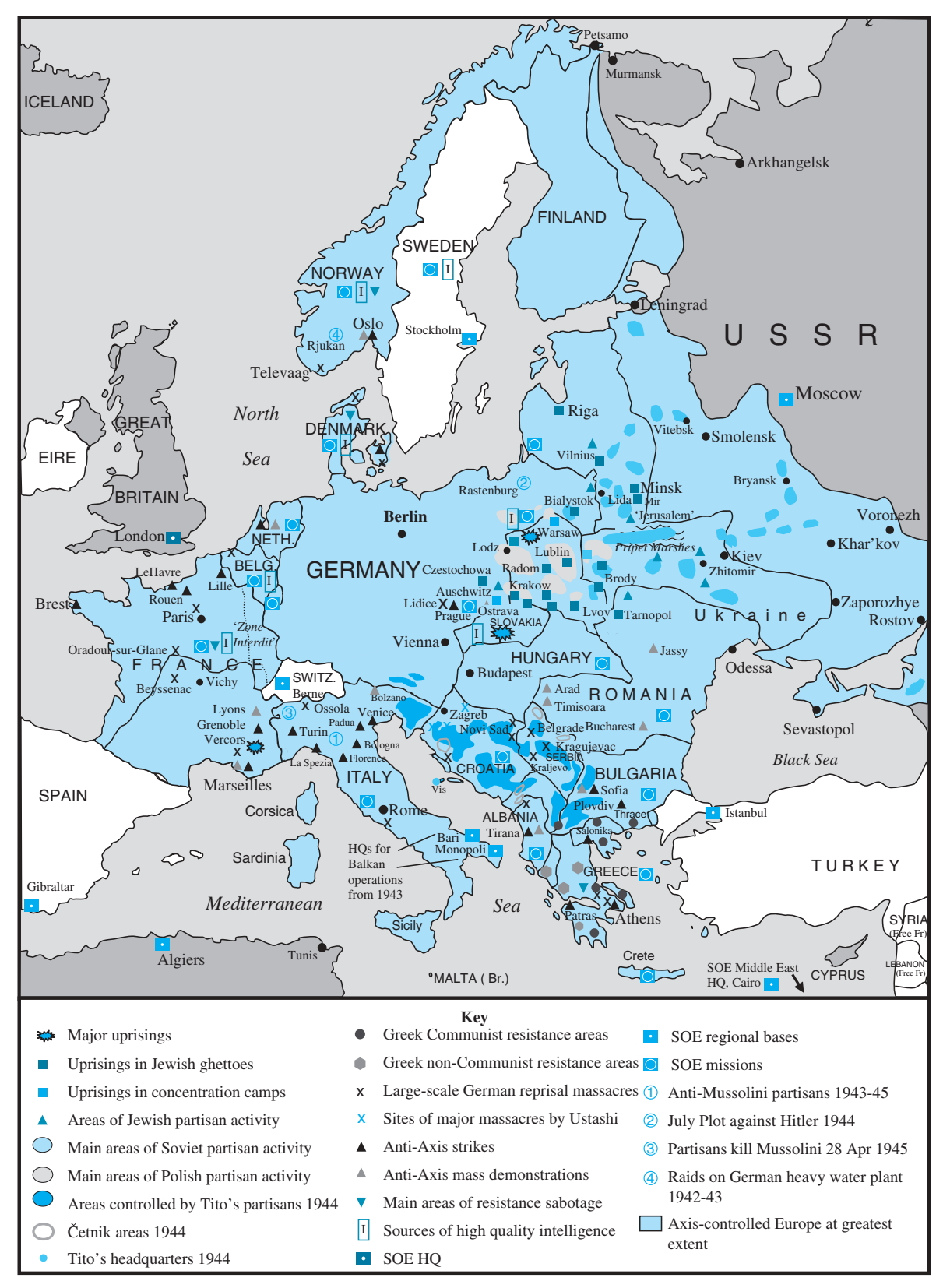
The German conquest of Europe was intended to be permanent. The First Reich was the old Holy Roman Empire, and it had been laid to rest by Napoleon after the Battle of Austerlitz; the Second Reich was the Hohenzollern Empire; proclaimed in the Hall of Mirrors in Versailles in 1871, it collapsed with the Kaiser’s abdication in 1918; the Third Reich was to last for a thousand years. At least so Hitler said, and so he meant. He was building for the ages.
Not everyone agreed with his concept of the Master Race and the inherent superiority of the Aryan peoples. In western Europe, though at first the Germans behaved themselves, the shock of conquest and defeat soon wore off, and as soon…
View original post 2,499 more words
Thatcher’s Last Stand Against Socialism
07 Nov 2020 Leave a comment
in comparative institutional analysis, economic history, economics of bureaucracy, history of economic thought, income redistribution, law and economics, liberalism, Marxist economics, poverty and inequality, property rights, Public Choice Tags: The Great Enrichment
Lt. Daniels calmly sticks it to Burrell (Wire Season 1 ep 12)
07 Nov 2020 Leave a comment
in television


Recent Comments