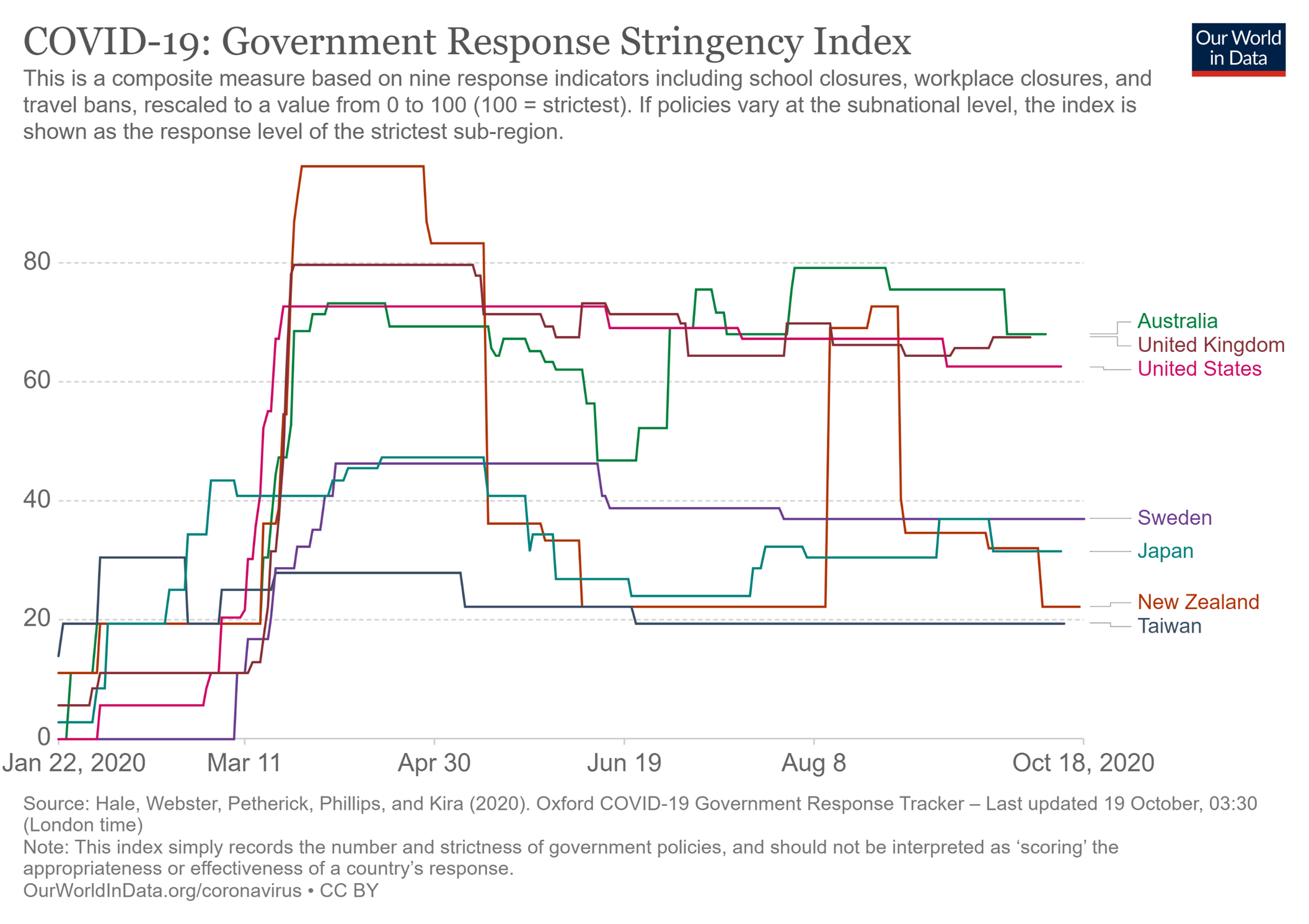
Jay Bhattacharya – Test and tracing is a mistake: only creates panic
21 Oct 2020 Leave a comment
in health economics Tags: economics of pandemics
A 108-Year-Old Woman Recalls What It Was Like to Be a Woman in Victorian England
21 Oct 2020 Leave a comment
in discrimination, economic history, gender, labour economics, labour supply, occupational choice Tags: sex discrimination
Iggy Pop – I’m Bored ( Original Footage Countdown Australian Television 8th July 1979 )
21 Oct 2020 Leave a comment
in Music, television
Minimum Wages: Where to Look for Evidence
21 Oct 2020 Leave a comment

A recent study on the effect of minimum wages in the city of Seattle has produced some conflicted reactions. As most economists expected, the significant increase in the minimum wage resulted in job losses and bankruptcies. Others, however, doubt the validity of the results given that the sample may be incomplete.
In this post I want to focus just one empirical problem. An incomplete sample in itself may not be a problem. The issue is whether or not the observations missing from the sample are relevant. This problem has been pointed out before as the Russian Roulette Effect, which consists in asking survivors of the increase in minimum wages if the increase in minimum wages have put them out of business. Of course, the answer is no. In regards to Seattle, a concern might be that fast food chains such as McDonald’s are not properly included in the study.
The…
View original post 383 more words
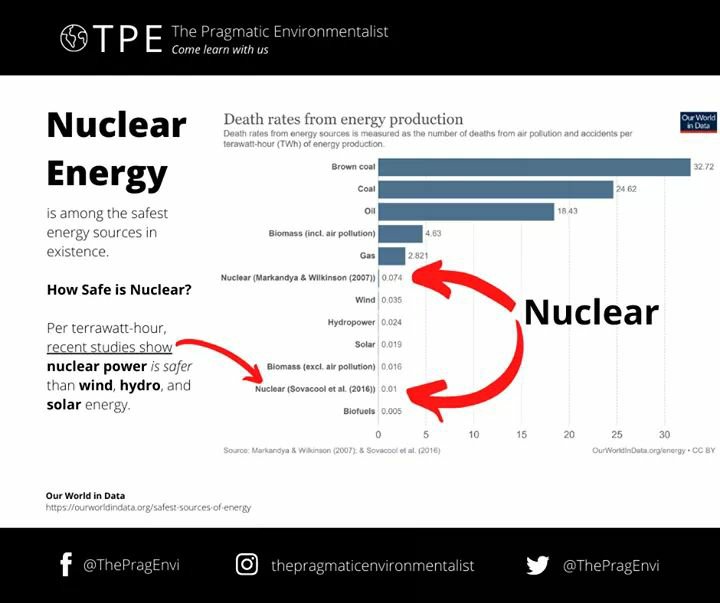
Sunshine’s Free: But Solar Power’s More Than Double the Cost of Fossil Fuels and Nuclear
20 Oct 2020 Leave a comment


Sure, sunshine may be free, but solar power is the most expensive stuff around. And, of course, when the sky clouds up or the sun sets, solar power simply can’t be bought at any price.
Assume, for the moment, the wind always blew and the sun always shone, then wind and solar power just might make sense. That’s why those talking about an ‘all wind and sun powered future’ sound like they’re coming from another planet.
Renewables rent seekers keep telling us how cheap wind and solar are, compared to those ‘evil’ fossil fuels, coal and gas.
But ‘price’ and ‘value’ are not the same animals. What we pay for something, and what it’s worth depends entirely upon what we get. And, in relation to the consumption of electricity, whether or not we get it, at all.
Wind power might be ‘free’, but try purchasing it, at any price, when…
View original post 1,346 more words
Payday lenders help overcome adverse selection
20 Oct 2020 Leave a comment
in applied price theory, economics of information, entrepreneurship, financial economics, industrial organisation
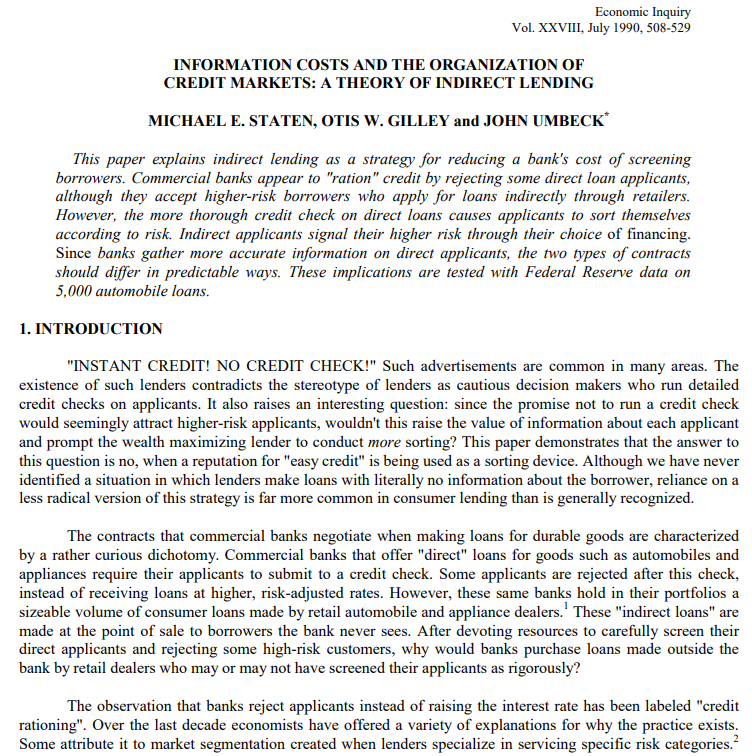
David Friedman – Market Failure: An Argument both for and Against Government
20 Oct 2020 Leave a comment
in applied price theory, applied welfare economics, comparative institutional analysis, constitutional political economy, David Friedman, economic history, economics of crime, economics of regulation, history of economic thought, industrial organisation, labour economics, law and economics, property rights, Public Choice, public economics Tags: government failure, market failure
Robert Lucas and Paco Buera | Idea Flows and Economic Growth
20 Oct 2020 Leave a comment
in applied price theory, applied welfare economics, comparative institutional analysis, development economics, econometerics, economic history, economics of education, history of economic thought, human capital, industrial organisation, international economics, labour economics, labour supply, law and economics, managerial economics, occupational choice, organisational economics, personnel economics, poverty and inequality, Robert E. Lucas Tags: endogenous growth theory
The Renaissance of ACT
20 Oct 2020 Leave a comment

Heather Roy
19 October 2020
Opinion Piece published in the Sunday Star Times on Sunday 18 October 2020
David Seymour has often lamented he’d like some friends to join him at parliament. It’s a lonely place at the best of times, but no-one knows this better than Seymour who has manned the ACT Parliamentary Party on his own for two parliamentary terms.
Now the electorate at large has given him not just one or two friends but likely nine as last night’s election result revealed.
Forget the two big old parties slogging it out for no change for government; this election has been David Seymour’s and therefore ACT’s.
Their fortunes began rising a little at the start of the year, climbing to a steady 7 – 8 percent throughout the election campaign. This is ACT’s best election ever, with 10 MPs making their way to parliament, trumping the nine strong…
View original post 406 more words


Recent Comments