How did Neanderthals Hunt Woolly Mammoths?
24 Sep 2020 Leave a comment
in economics of media and culture
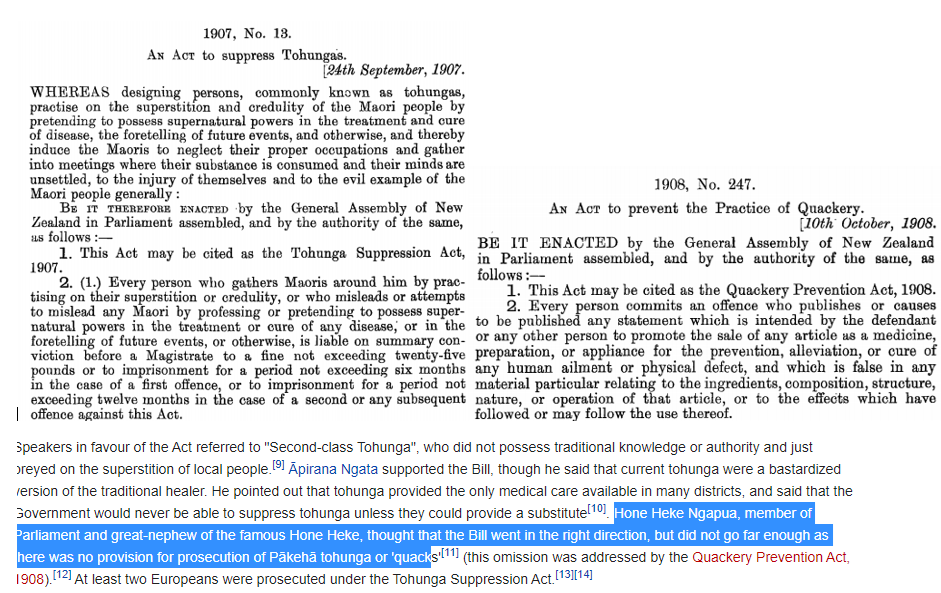
The suppression of faith healing and medical quackery in early New Zealand
23 Sep 2020 Leave a comment
Book Review: Peterloo: The English Uprising by Robert Poole
23 Sep 2020 Leave a comment

Dr Martin Spychal, research fellow on the Commons 1832-1868, reviews Robert Poole’s Peterloo: The English Uprising (Oxford, 2019)
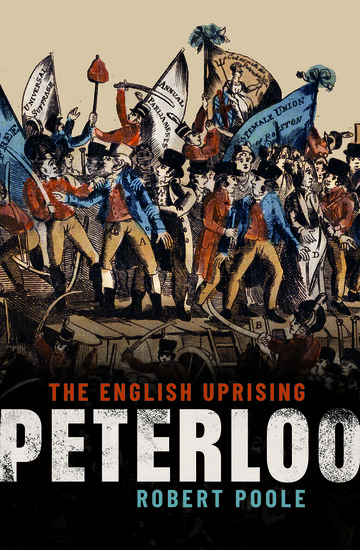
What drove 400 volunteer soldiers and special constables to murder 18 and maim nearly 700 of their fellow Lancastrians? This is the key question that Robert Poole’s definitive and illuminating Peterloo sets out to answer. As Poole states in his prologue, ‘two hundred years on, it is still possible to be angry about Peterloo’. Thanks to this revealing, tragic and at times harrowing thick description of one of the pivotal moments in the development of Britain’s democracy, Peterloo will continue to make future generations of students, teachers and general readers angry about the events at St Peter’s Field on 16 August 1819.
Those massacred at Peterloo formed part of an unarmed, peaceful crowd of around 40,000 children, women and men assembled to hear…
View original post 1,293 more words
Woodward’s latest Trump book prompts myth-telling about Watergate
23 Sep 2020 Leave a comment

It was predictable. Inevitable, even.
It was all but certain that news accounts and reviews of Rage, Bob Woodward‘s latest book about Donald Trump and his presidency, would credulously recite the hardy media myth that Woodward’s Watergate reporting brought down Richard Nixon’s corrupt presidency.
 Not he: didn’t bring down Nixon
Sure enough, news outlets in the United States and abroad summoned the mythical trope — a trope that even Woodward has tried, occasionally, to dampen as absurd.
An editorial in the Detroit Free Press, for example, described Woodward as “famed for having brought down former President Richard Nixon.”
The New York Post, in reporting last week that Trump found Rage “very boring,” referred to Woodward and his Watergate reporting partner at the Washington Post, Carl Bernstein, and declared they had “brought down the presidency of Richard Nixon.”
The Toronto Sun likewise asserted that the
View original post 772 more words
The intellectual mendacity of the New York Times and its 1619 Project
23 Sep 2020 Leave a comment

Yesterday I criticized the University of Chicago’s English Department for repeatedly changing their “Faculty Statement of 2020” without ever telling readers that they’d done so. That’s not a huge misstep, though it’s unethical and should not have been done by—of all organizations—a Department of English.
But the New York Times has been far more unethical in a simiular way: changing what it said about the 1619 Project’s aims without letting the readers know. It also does other dubious things, like employing fact-checkers whose fact-checks are ignored, as well as ignoring correct criticisms from historians on all sides of the political spectrum. And its dug in its heels when historians offer corrections that should have been made.
An example of historical sleaziness is the Project’s assertion that the Revolutionary War in America was fought because the colonists wanted to ensure the continuation of slavery in their new country. The evidence for…
View original post 1,176 more words
Book Review: ‘Sand and Steel: The D-Day Invasion and the Liberation of France’
23 Sep 2020 Leave a comment

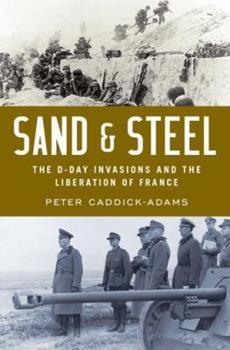
A Plethora of D-Day Books
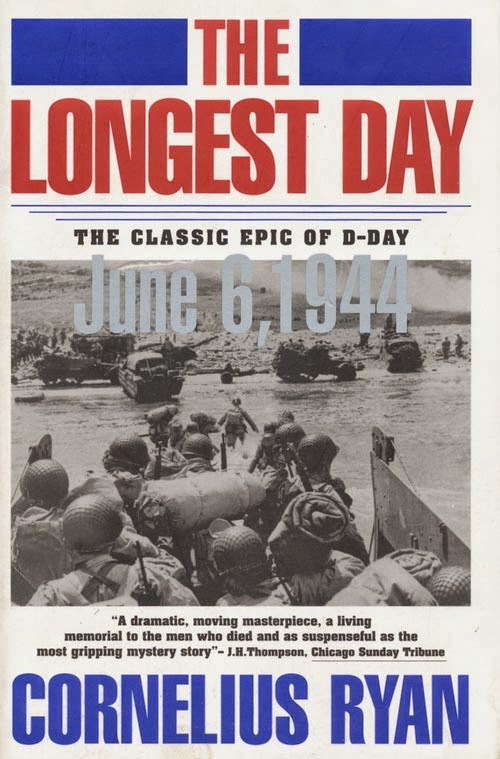
(C) 1995 Simon & Schuster 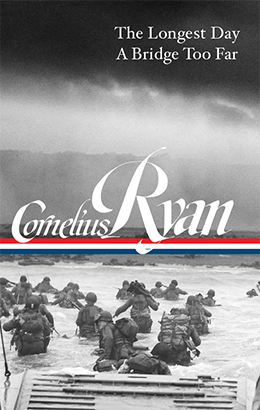
(C) 2012 Library of America 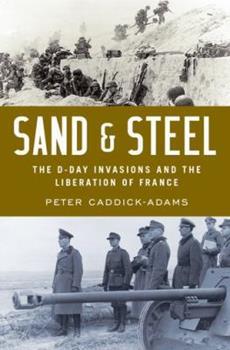
(C) 2019 Oxford University Press
I have an obsession with D-Day.
Don’t ask me why. I couldn’t begin to give you a rational answer.
As a first-generation American citizen born to two immigrants from Colombia, I don’t have any personal connection to the Second World War. Yes, Colombia joined the Allies (then called the United Nations) in 1943, and it made its own contribution to the war effort against Nazi Germany, Fascist Italy, and militarist Japan. However, unlike Brazil or Mexico, my parents’ homeland did not send an expeditionary force to either the European theater or the Pacific, and my dad, who in 1944 was a 25-year-old pilot learning…
View original post 2,908 more words
Economic Reform in New Zealand | Ruth Richardson
23 Sep 2020 Leave a comment
in applied price theory, applied welfare economics, comparative institutional analysis, constitutional political economy, economic growth, economic history, economics of bureaucracy, economics of education, economics of regulation, entrepreneurship, financial economics, history of economic thought, human capital, income redistribution, industrial organisation, international economics, labour economics, labour supply, law and economics, macroeconomics, Marxist economics, minimum wage, occupational choice, occupational regulation, politics - New Zealand, poverty and inequality, privatisation, property rights, Public Choice, public economics, rentseeking, survivor principle, unemployment, unions, welfare reform Tags: creative destruction, offsetting behaviour, The fatal conceit, unintended consequences
Why Do You Always Have Room for Dessert?
23 Sep 2020 Leave a comment
in economics of education, health economics Tags: evolutionary psychology


Recent Comments