Spreading Christianity was seen by the colonial powers as a way of civilising the native populations in Africa. Indeed, in 1857 David Livingstone wrote that “neither civilization nor Christianity can be promoted alone. In fact, they are inseparable” (see here). Among the many effects of colonisation, the spread of Christianity is seen as one of…
Christian missions and HIV in Africa
Christian missions and HIV in Africa
05 Jan 2024 Leave a comment
in development economics, economic history, health economics Tags: AIDS, economics of colonialism
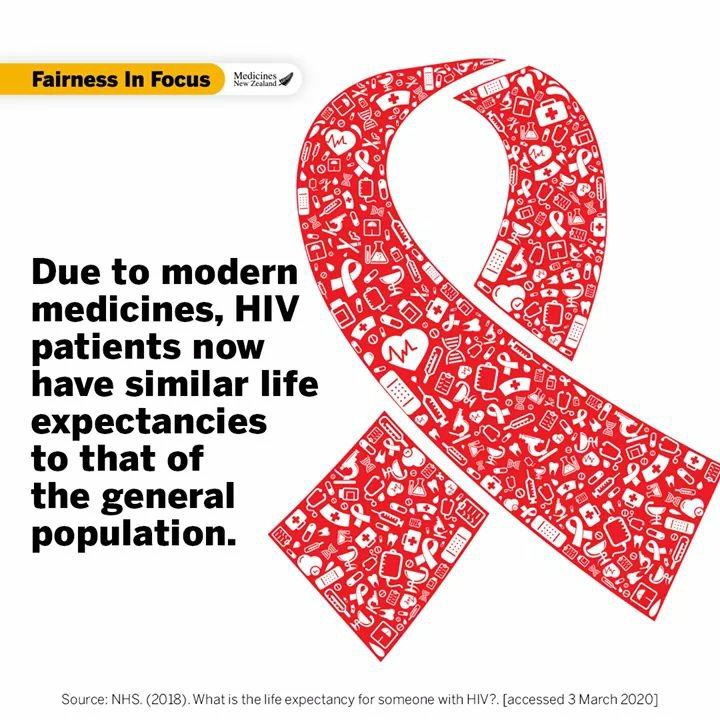

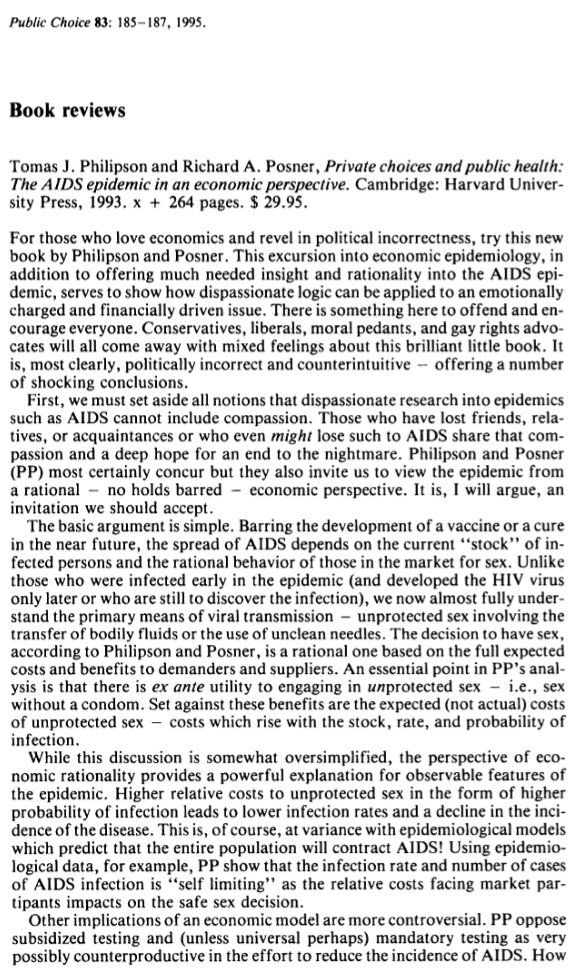
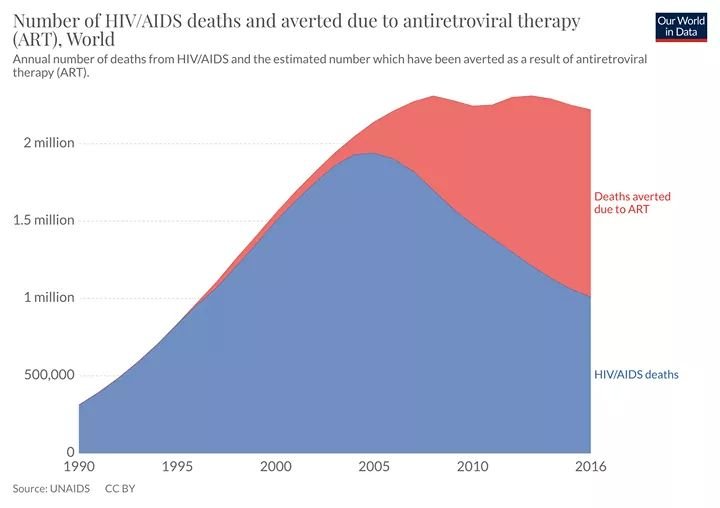
#OTD 20 years ago, 2 years after the arrival of combination therapy that effectively treated #HIV. 1st edition not to report an AIDS death in almost 15 years.
17 Aug 2018 Leave a comment
in health economics Tags: AIDS
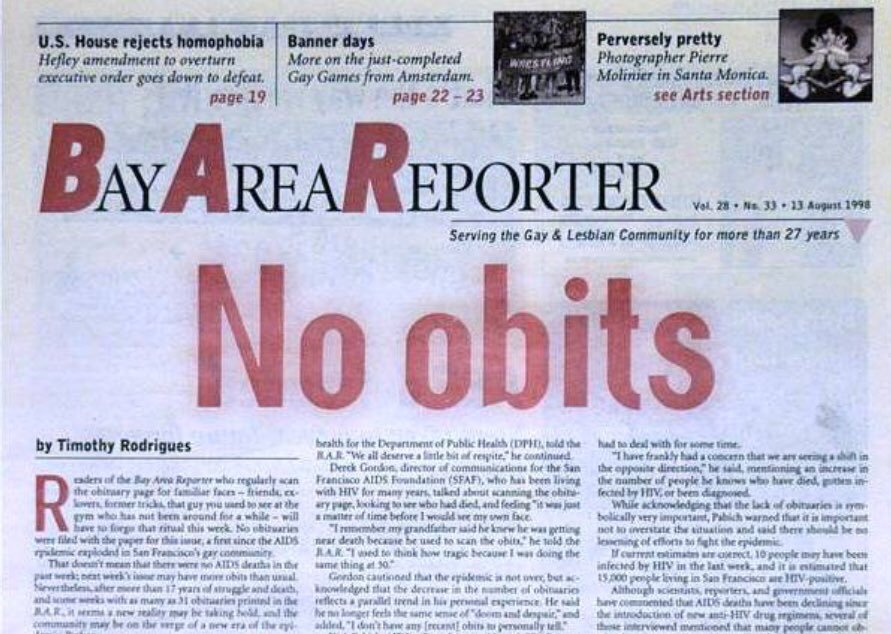
Worth noting on a regular basis
29 Jul 2018 Leave a comment
in economics of religion, health economics Tags: AIDS

No country for young Zimbabweans? # Zimbabwe life expectancies by age and gender since 1990
25 Aug 2015 1 Comment
in economic history, health economics Tags: AIDS, life expectancies, The Great Escape, Zimbabwe
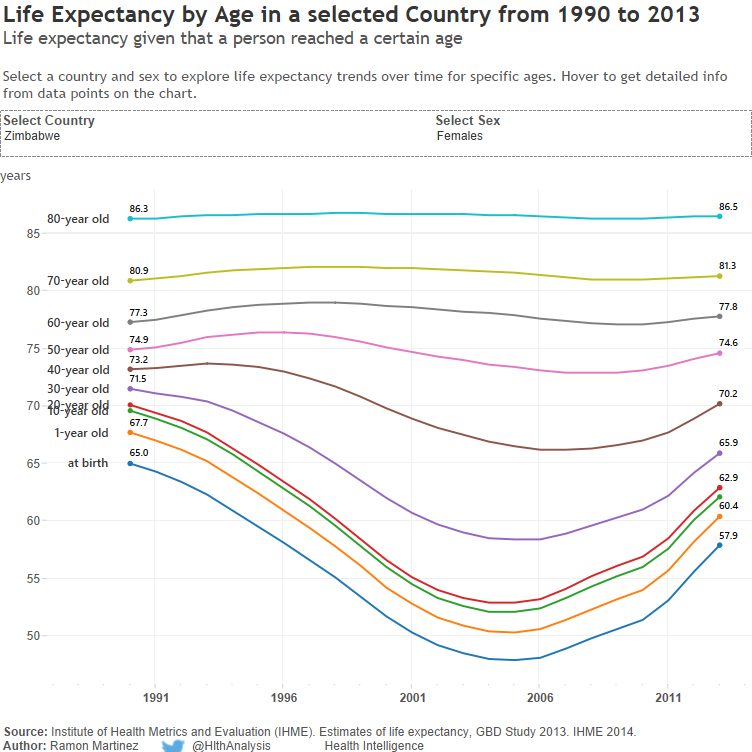
Source: Life Expectancy by Age in selected Country from 1990 to 2013 | Health Intelligence.
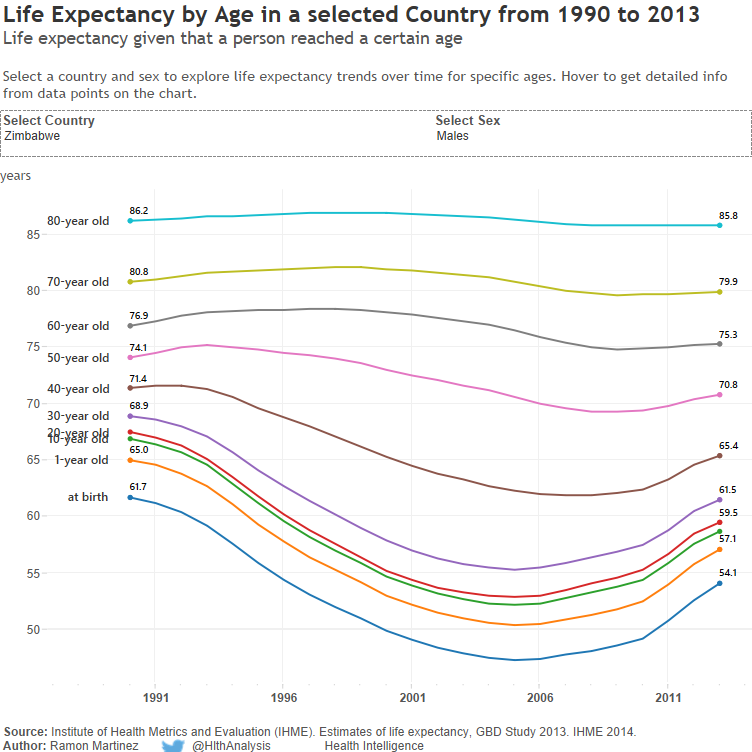
Source: Life Expectancy by Age in selected Country from 1990 to 2013 | Health Intelligence.
How infectious and deadly are the infectious diseases?
20 Jun 2015 Leave a comment
in health economics Tags: AIDS, Ebola, HIV, infectious diseases, measles
Visualised: how Ebola compares to other infectious diseases bit.ly/1sH3dDR http://t.co/vNadhO5NB6—
Guardian Data (@GuardianData) October 15, 2014
At the epidemic’s peak, AIDS affected…
11 May 2015 Leave a comment
in development economics, growth disasters, health economics Tags: Africa, AIDS
At the epidemic's peak, AIDS affected half of people aged 15-49 in Middle Africa. Today? <20%. buff.ly/1EVz4Wo http://t.co/koHasDe2EX—
HumanProgress.org (@humanprogress) May 10, 2015
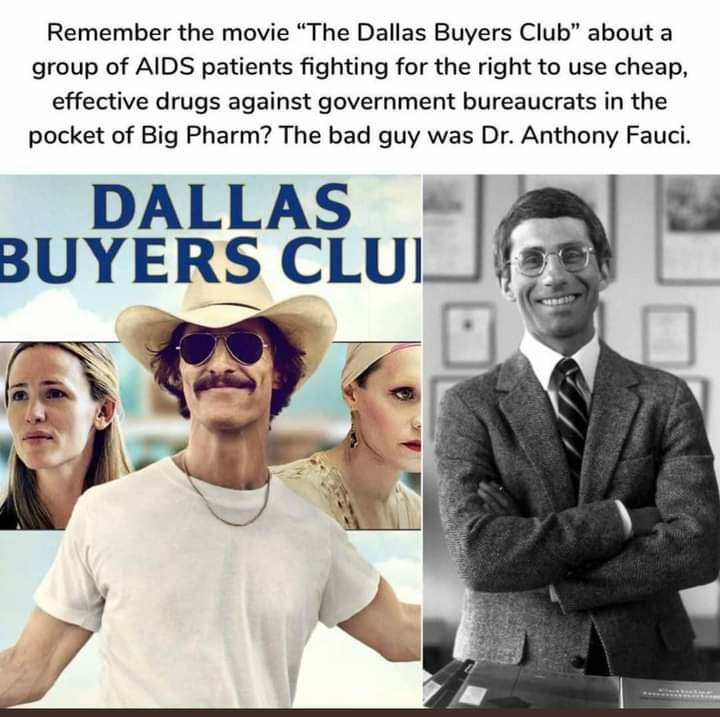
The economics of the Dallas Buyers Club
15 Mar 2014 Leave a comment
in liberalism, politics - Australia, politics - USA, Public Choice, regulation Tags: AIDS, AZT, Dallas Buyers Club, David Friedman, drug lags, FDA, Matthew McConaughy, Sam Peltzman
Deciding if a new drug is safe is a serious issue. Separate to this is whether the drug is better than existing drugs.
In 1962, an amended law gave the FDA authority to judge if a new drug produced the results for which it had been developed. Formerly, the FDA monitored only drug safety. It previously had only sixty days to decide this. Drug trials can now take up to 10 years.
Who cares if a safe drug works or not? If a new drug does not work or is no better than the existing drugs on the market, the investors in the development of the new drug bear the (unrecoverable) development costs. Capitalism is a profit AND loss system. Losses are a signal that you should try something else.
Sam Peltzman showed in a famous paper in 1973 that these 1962 amendments reduced the introduction of effective new drugs in the USA from an average of forty-three annually in the decade before the 1962 amendments to sixteen annually in the ten years afterwards. No increase in drug safety was identified.
Drugs became available years after they were on the market outside the USA. To quote David Friedman:
“In 1981… the FDA published a press release confessing to mass murder. That was not, of course, the way in which the release was worded; it was simply an announcement that the FDA had approved the use of timolol, a ß-blocker, to prevent recurrences of heart attacks.
At the time timolol was approved, ß-blockers had been widely used outside the U.S. for over ten years.
It was estimated that the use of timolol would save from seven thousand to ten thousand lives a year in the U.S. So the FDA, by forbidding the use of ß-blockers before 1981, was responsible for something close to a hundred thousand unnecessary deaths.”

AZT double-blind trials collapsed in the mid-1980s in the USA because participants sold the drug in the black market.
If memory serves right, Australian drug regulators planned to duplicate these double-blind trials in Australia before approving the drug. Last time I checked, the physiology of Australians was the same as any other human being. What did they plan to find that justified the delay in approving AZT?
The duplicate double-blind AZT trials in Australia were abandoned not because they were mad and evil, but because again the participants sold the drug in the black market. That was to be expected too so the duplicate double-blind AZT trials in Australia in the 1980s were a double evil.
 Utopia, you are standing in it!
Recent Comments