Wales has done something unusual – it has enacted a duty to prohibit electoral lies before deciding what the prohibition will look like. Since 27 June 2026, section 13 of the Government of Wales Act 2006 has required the Welsh Ministers to make provision against false or misleading statements of fact made to affect who […]
Andy Burnham announced today that his constitutional responsibility for advising the Sovereign on ecclesiastical appointments has been transferred to the Lord Chancellor. This was necessary because, as a Roman Catholic, Burnham is barred from tendering this advice by s. 18 of the Roman Catholic Relief Act 1829. S. 4 of the Jews Relief Act 1858 […]
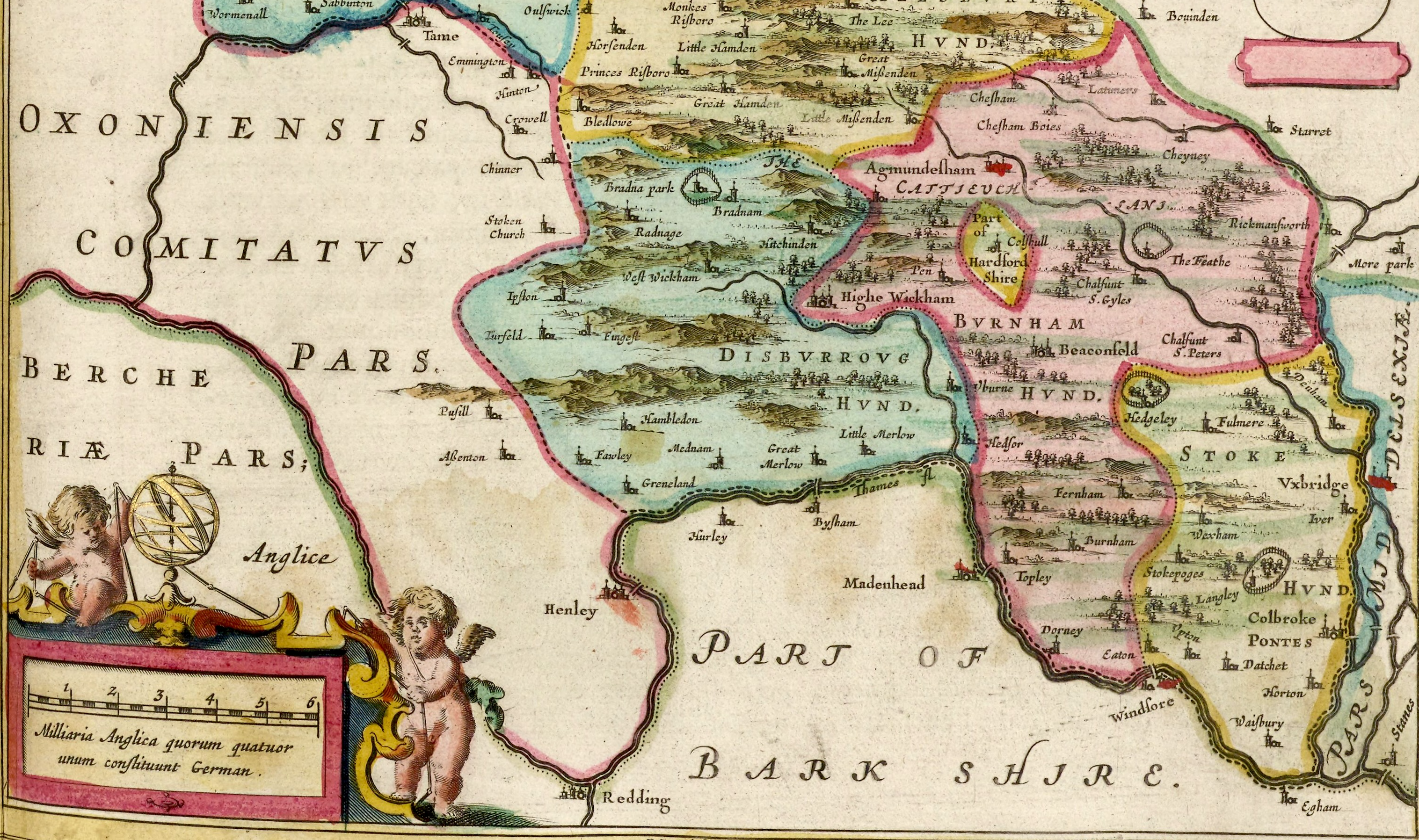
Have you just heard that an MP has resigned by ‘taking the Chiltern Hundreds’? Our Senior Research Fellow, Dr Martin Spychal, explains the practice and explores its historical context… MPs are not allowed to resign from Parliament. However, a parliamentary loophole exists that allows an MP to vacate their seat by asking the chancellor of…
After months of parliamentary debate, the English Devolution and Community Empowerment Act 2026 (‘English Devolution Act’) received Royal Assent on 29 April 2026. The Act has important implications for the relationship between central and local government and the long-running ‘English question’ in UK constitutional politics. This post situates the Act within almost three decades of […]
After disastrous local government election results for the Labour Party, speculation has been rife about an internal leadership challenge to Prime Minister Keir Starmer. On Thursday 14 May 2026, the Member of Makerfield, Josh Simons, announced he was resigning his Manchester-based seat (formally given effect by an appointment to an ‘office of profit under the […]
On 18 March 2026 the House of Lords (Hereditary Peers) Bill became the House of Lords (Hereditary Peers) Act 2026. Following one final vote on the evening of the 10th of March 2026 in the House of Lords , and after having offered additional life peer appointments to Conservative peers, the Labour government has succeeded […]
Buckingham Palace has finally announced that the King and Queen’s planned visit to the US will indeed go ahead at the end of April 2026. After US President Donald Trump launched a string of verbal attacks on the UK Prime Minister, there had been growing calls for Keir Starmer to cancel the King’s visit, which […]
The retirement of Lord Salisbury in 1902 marked the end of the last premiership undertaken from the House of Lords, but in the nineteenth century, more prime ministers led governments from the Lords than the Commons. In this article, Dr Kathryn Rix, of our House of Commons, 1832-1945 project, explores the history and significance of…
The House of Lords (Hereditary Peers) Bill has now completed its journey through Parliament. Although peers made several amendments to the bill, the Commons rejected most of them. In the end, the Lords chose not to insist on the rejected amendments by a voice vote, paving the way for Royal Assent. Once that happens, the […]
Yesterday, Andrew Mountbatten-Windsor was arrested on suspicion of misconduct in a public office. While the specifics of the police investigation aren’t known, the assumption is that it’s related to his alleged sharing of sensitive documents with Jeffrey Epstein during his tenure as the UK’s Special Representative for International Trade and Investment. Although the impact of […]
On 2 December 2025, the Lord Chancellor and Deputy Prime Minister David Lammy announced significant reforms to criminal trials in England and Wales. Defending his proposals on the BBC Sunday programme on 4 January 2026, Lammy justified restricting jury trial on the basis of his strong sense of justice, explicitly pointing to the fact he had a photograph […]
The proscription of Palestine Action in July 2025 represents more than an aggressive application of counter-terrorism law. It reveals a broader, qualitative shift in the British state’s approach to political dissent—one best understood, I argue, through the concept of ‘anticipatory repression’. Proscription and Its Critics Palestine Action is a direct action network that has, since […]
In late October, it was announced that the King would formally strip Andrew Mountbatten-Windsor of his royal status. At the start of November, the Gazette announced that the King had issued a Warrant directing the Lord Chancellor and Secretary of State for Justice to remove Andrew from the Roll of the Peerage along with Letters […]
Buckingham Palace today announced that the King has “initiated a formal process to remove the Style, Titles and Honours of Prince Andrew.” The style of Royal Highness, the title of prince, and his appointments to the various chivalric orders can be revoked under the royal prerogative without too much difficulty,[1] but Andrew’s peerages are another […]
The Public Office (Accountability) Bill was introduced into the House of Commons on 16 September 2025. It gives effect to the Labour Party’s 2024 Manifesto commitment to introduce a ‘Hillsborough Law’ which will ‘place a legal duty of candour on public servants and authorities and provide legal aid for victims of disasters or state-related deaths’. As the Government’s ‘Duty of […]
Why Evolution is True is a blog written by Jerry Coyne, centered on evolution and biology but also dealing with diverse topics like politics, culture, and cats.
In Hume’s spirit, I will attempt to serve as an ambassador from my world of economics, and help in “finding topics of conversation fit for the entertainment of rational creatures.”



Recent Comments