John Stossel – The Power of Political Ads
18 May 2018 Leave a comment
in economic history, economics of information, politics - USA, Public Choice Tags: economics of advertising
10 Famous Funny Commercials
28 Apr 2018 Leave a comment
in economics of information, television Tags: economics of advertising
The researchers received $800,000 in funding from the Health Research Council for this junk science
12 Apr 2018 Leave a comment
in economics of information, health economics, politics - New Zealand Tags: economics of advertising, economics of obesity, nanny state
Dilbart on organic farming
09 Dec 2016 Leave a comment
in economics of media and culture, health economics Tags: agricultural economics, consumer fraud, economics of advertising, food snobs, organic farming
Turning family into TV couch potatoes was a marketing selling point back in the day
26 Oct 2016 Leave a comment

What do @GreenpeaceNZ, #McDonalds and @Forest_and_Bird no longer have in common?
05 Sep 2016 Leave a comment
in economics of information, economics of media and culture, politics - New Zealand Tags: brand names, economics of advertising, Forest and Bird, Greenpeace, Leftover Left, McDonald's, New Zealand Greens
Like McDonalds, Greenpeace globally is a brand. Forest and Bird is a local conservation brand. Until last year, I was utterly clueless as to who its leaders were. That is a deliberate branding decision in the past by McDonalds.
Greenpeace New Zealand and Forest and Bird were also pretty faceless in terms of who their chief executives were.This meant people were less likely to conflate the far left backgrounds of its leaders and activist support base with their self appointed environmental do-gooders brands.
No more, no longer. Greenpeace NZ appointed the former leader of the New Zealand Greens as its Chief Executive last year. Forest and Bird now appointed the Green MP who wanted to succeed him as leader of the Greens as their chief executive. Both bring political baggage.
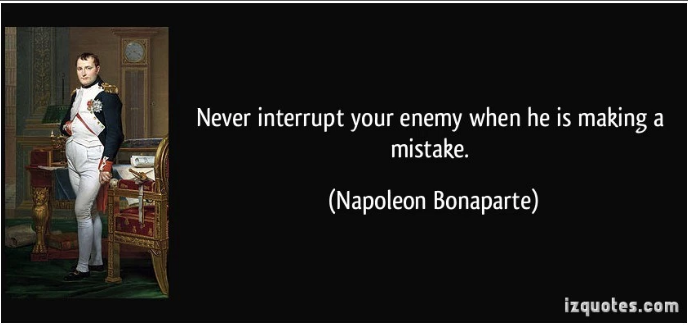
I do not wish Greenpeace well with its anti-growth, anti-science, anti-human agenda, so I hope this was a mistake they made last year. I hope I am not interrupting them in making that mistake. Forest and Bird appears to be antigrowth as well so let them make this mistake as well.
Merv Hughes and Kerry O’Keeffe – Bloopers reel during the making of their recent TV Ad for West Indies Tour
01 May 2016 Leave a comment
in cricket, economics of media and culture Tags: economics of advertising
Have A Go (Australian ad) 1970s
30 Apr 2016 Leave a comment
in economics of media and culture, television Tags: economics of advertising
Max Walker APIA Commercial
29 Apr 2016 Leave a comment
in cricket, economics of media and culture Tags: credence goods, economics of advertising
Best of Kerry O’Keeffe, the funniest cricket personality ever, *that* laugh!!!!!!
28 Apr 2016 Leave a comment
in cricket, economics of media and culture Tags: economics of advertising
Tooheys 2.2 with Max Walker (Australian ad) 1986
27 Apr 2016 Leave a comment
in cricket, economics of media and culture Tags: economics of advertising
Aerogard insect repellant TV commercial – Max Walker
26 Apr 2016 Leave a comment
in cricket, economics of media and culture Tags: economics of advertising
How the “Daisy” Ad Changed Everything About Political Advertising
14 Apr 2016 Leave a comment
in politics - USA, Public Choice Tags: Attack Ads, economics of advertising, political advertising
I love attack ads. They actually tell you something and bring the contrasts between the candidates into sharp focus.
Put another way, the firm believed that viewers should not be given too much information to put their minds and emotions to work. And Daisy Girl’s DNA has continued to provide instructions for today’s political advertising: Ronald Reagan’s famous 1984 “Bear” spot used the animal to symbolize the Soviet Union without explicitly making the association. In 2004, Bush’s campaign skillfully employed the same technique with a spot that used wolves to symbolize al Qaeda.
Voting is not a purely rational act. As the late journalist Joe McGinnis observed, it’s a “psychological purchase” of a candidate. It’s often no less rational than buying a car or a house. DDB understood that arguing with voters would be a losing proposition. To persuade someone, especially in the political realm, a campaign must target emotions. Voters don’t oppose a candidate because they dislike his or her policies; they often oppose the policies because they dislike the candidate.
Reagan’s optimistic 1984 “Morning in America” spot was a good example of this kind of appeal. So was George H.W. Bush’s dark, fear-inducing “Revolving Door” spot in 1988 that exploited the controversy over a prison furlough program of his Democratic opponent, Michael Dukakis. Bernie Sanders’ “America” spot is a current example. They are all very different ads, but are aimed at generating a non-rational, emotional response.
DDB also believed that giving data and facts was less persuasive than telling a story. The best spots provide an experience. In addition to evoking emotions and not repeating what the viewer already knew, many of the DDB spots from 1964 had a narrative arc to them. A good example in 1964 was a Johnson spot reminding viewers of the many harsh attacks on Goldwater by his former GOP opponents. The gold standard for subsequent spots in this genre may be Bill Clinton’s 60-second “Journey” spot from 1992, in which he touted his small-town American values by recounting his childhood in Hope, Arkansas.
Source: How the “Daisy” Ad Changed Everything About Political Advertising | History | Smithsonian
 Utopia, you are standing in it!
Recent Comments