Big Mac Economics
04 Jun 2016 Leave a comment
in Austrian economics, economics, economics of media and culture, entrepreneurship, industrial organisation, survivor principle Tags: BigMac Index, entrepreneurial alertness, McDonald's, purchasing power parity
Paper Towns- Fake Places Made to Catch Copyright Thieves
02 Jun 2016 Leave a comment
in entrepreneurship, industrial organisation, law and economics, property rights, survivor principle Tags: entrepreneurial alertness, maps, patents and copyrights
How Budget Airlines Work
02 Jun 2016 Leave a comment
in applied price theory, economic history, entrepreneurship, transport economics Tags: budget airlines, entrepreneurial alertness
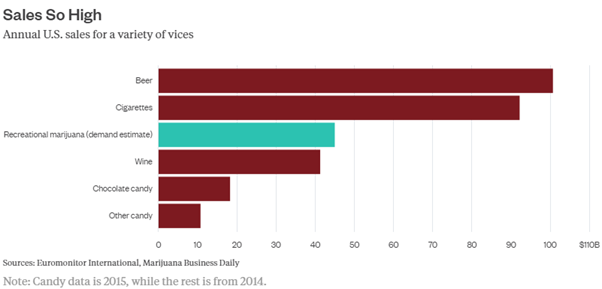
How big are the vice industries?
01 Jun 2016 Leave a comment
in economics of regulation, financial economics, health economics Tags: alcohol regulation, economics of smoking, entrepreneurial alertness, marijuana decriminalisation
Few of the top 50 billionaires inherited their wealth
01 Jun 2016 Leave a comment
in applied price theory, applied welfare economics, economic history, entrepreneurship, financial economics, human capital, labour economics, poverty and inequality, unions Tags: entrepreneurial alertness, inherited wealth, superstar wages, superstars, top 0.1%, top 1%
Of the 15 inheritance based billionaires, three are from the Walton family, two are the Koch brothers and another three are from the Mars family.
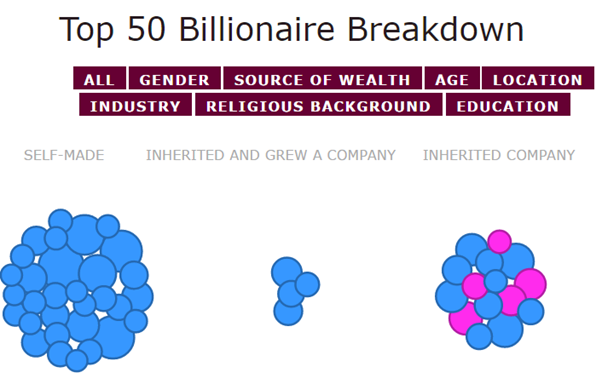
Source: The world’s top 50 billionaires: A demographic breakdown.
Paul Samuelson on everything you need to know about the efficient markets hypothesis
31 May 2016 Leave a comment
in applied price theory, fisheries economics Tags: active investing, efficient markets hypothesis, entrepreneurial alertness, passive investing, Paul Samuelson


Jonah Hill, ‘Moneyball’ (2011)
30 May 2016 Leave a comment
in entrepreneurship, movies, sports economics Tags: entrepreneurial alertness, Moneyball
Remember this every time the Left says the government invented the Internet
30 May 2016 Leave a comment
in comparative institutional analysis, economic history, economics of bureaucracy, entrepreneurship, industrial organisation, politics - USA, Public Choice, survivor principle Tags: entrepreneurial alertness, industry policy, Internet, picking roses, picking winners

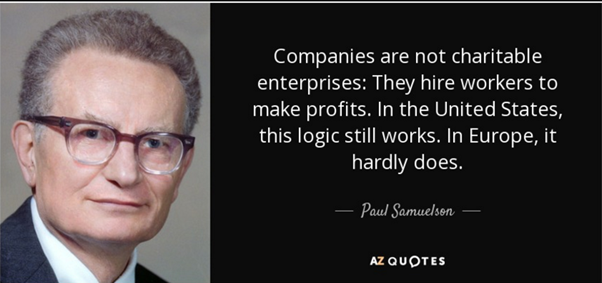
Paul Samuelson and Milton Friedman on the social responsibilities of business
28 May 2016 Leave a comment
in applied price theory, entrepreneurship, labour economics Tags: entrepreneurial alertness, Paul Samuelson

..
The decline and decline of the rentier class in the USA
24 May 2016 Leave a comment
in economic history, entrepreneurship, human capital, industrial organisation, labour economics, labour supply, occupational choice, politics - USA, poverty and inequality Tags: entrepreneurial alertness, superstar wages, superstars, top 1%, top incomes
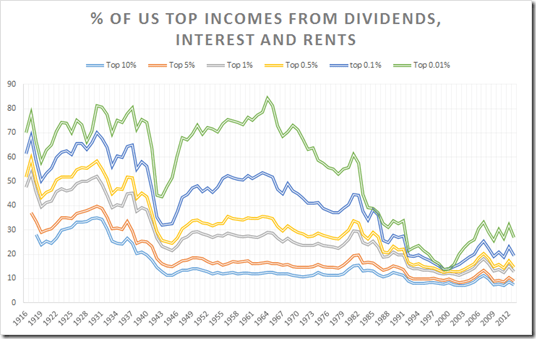
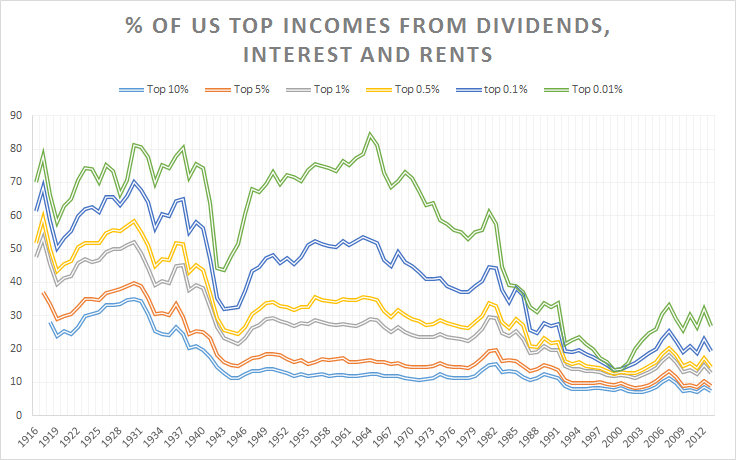
Looks like the Reagan Revolution coincided with the American rich going out to work for a living. They started earning most of their incomes from wages, salaries and pensions or from entrepreneurial income. The American rich are now working rich; top wage earners, not top income earners.
Source: The World Wealth and Income Database.
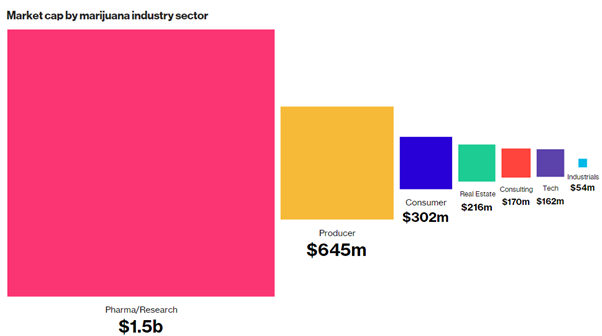
Share market capitalisation by marijuana industry sector
24 May 2016 Leave a comment
in entrepreneurship, financial economics, health economics Tags: creative destruction, efficient markets hypothesis, entrepreneurial alertness, marijuana decriminalisation, medical marijuana decriminalisation, R&D
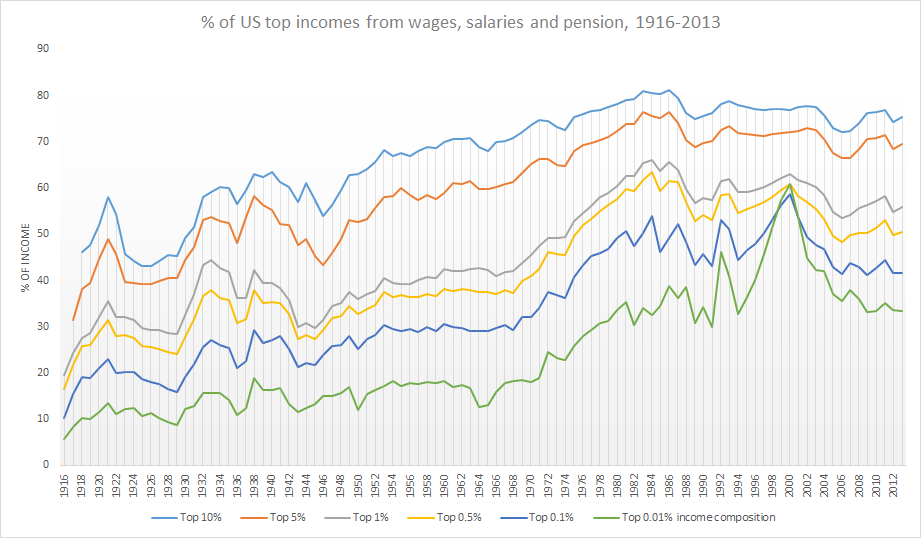
% of top incomes from wages, salaries and pensions
23 May 2016 Leave a comment
in applied price theory, applied welfare economics, economic history, entrepreneurship, human capital, industrial organisation, labour economics, labour supply, occupational choice, poverty and inequality, survivor principle Tags: entrepreneurial alertness, envy, superstar wages, superstars, top 1%, top incomes
Everybody from the top 10% to the top 0.01% have to work for their living these days with much of their income coming from wages.
Source: The World Wealth and Income Database.
Is it merchandising that drives gender bias in Hollywood casting?
17 May 2016 Leave a comment
in discrimination, economics of media and culture, gender, industrial organisation, labour economics, labour supply, occupational choice, survivor principle Tags: entrepreneurial alertness, gender gap, gender wage gap, Hollywood economics

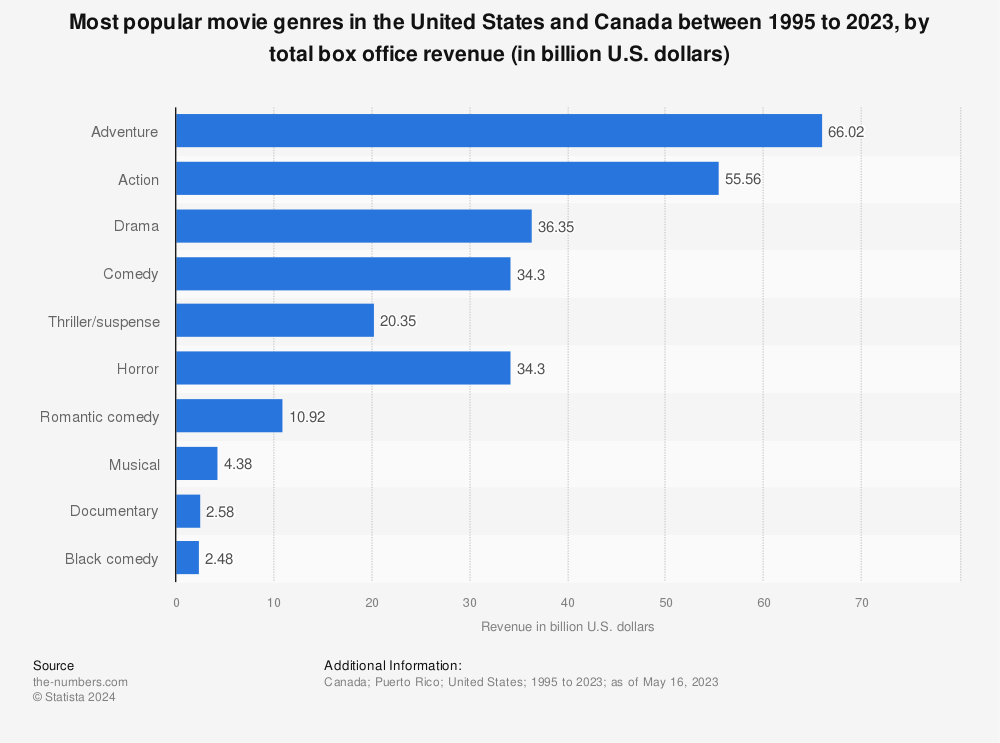
Iron Man 3 changed the gender of the film’s villain from female to male after pressure from the production company Marvel, which feared toy merchandise would not sell as well.
This is a rather frank admission of what drives gender bias in Hollywood casting decisions. Its customer preferences – customer discrimination. It was not nasty producers and directors choosing not to hire women.
It was producers and directors casting a movie that might sell at the box office given what the box office wants. The great majority of box office sales is outside of the USA and US cultural values, interests and concepts of humour.

Hollywood is a cutthroat market where producers and directors do do whatever it takes to make their movie sell at the box office. But would not last very long if they indulge their personal preferences at the expense of the box office.
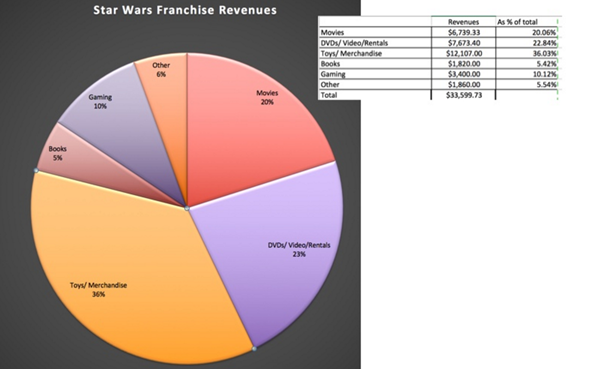
Not every movie has the merchandising potential of action films but they still have to pay careful attention to what audiences want to avoid having produced a run of flops and never get financing again.
That is not made any easier by the first law of Hollywood economics, which is nobody knows nothing. Audiences have a constant demand for novelty but they do not know what they want delay see it.
 Utopia, you are standing in it!
Recent Comments