Walter E. Williams: How urban economic policy creates a Ferguson and Baltimore
18 Feb 2018 Leave a comment
in economics of crime, labour economics, law and economics, poverty and inequality, urban economics Tags: child poverty, crime and punishment, family poverty
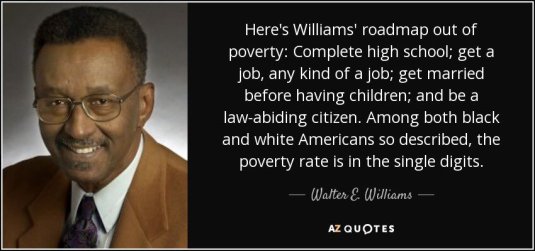
Poverty in America
21 Dec 2017 Leave a comment
in applied welfare economics, economic history, labour economics, poverty and inequality, welfare reform Tags: child poverty, family poverty

What Is The Best Way To Measure Poverty in Britain?
14 Dec 2017 Leave a comment
in applied price theory, applied welfare economics, labour economics, poverty and inequality Tags: child poverty, family poverty
How To Not Be Poor
07 Dec 2017 Leave a comment
in applied price theory, labour economics, poverty and inequality Tags: child poverty, family poverty
A lot of Europe’s middle class would be poor in the USA
23 Oct 2017 Leave a comment
in applied welfare economics, poverty and inequality Tags: family poverty
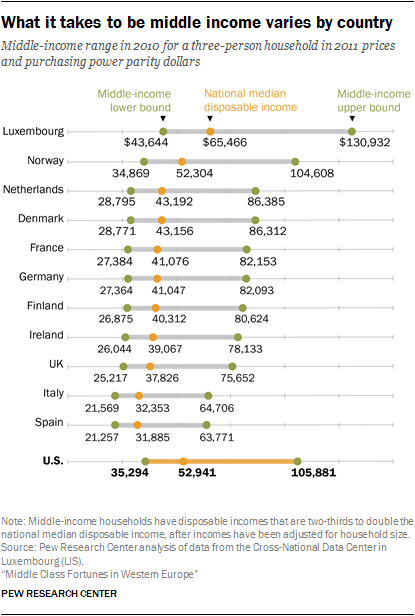
What a difference a targeted welfare state makes to family poverty in America
23 Sep 2017 Leave a comment
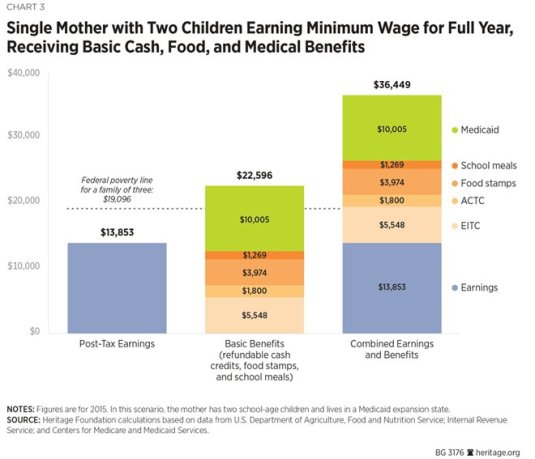
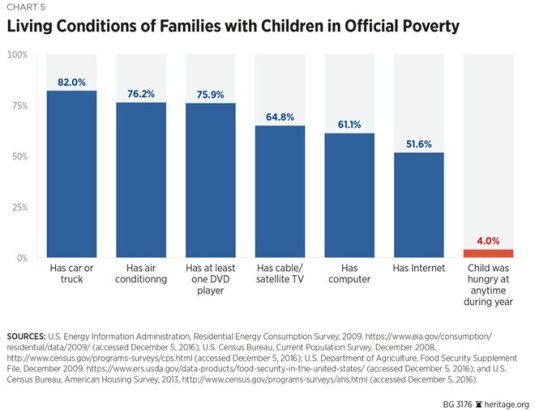
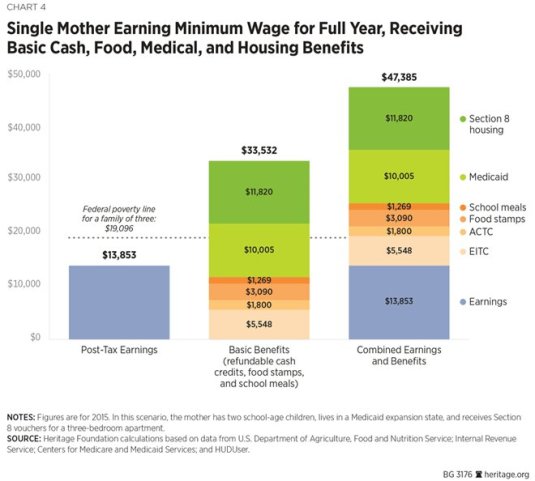
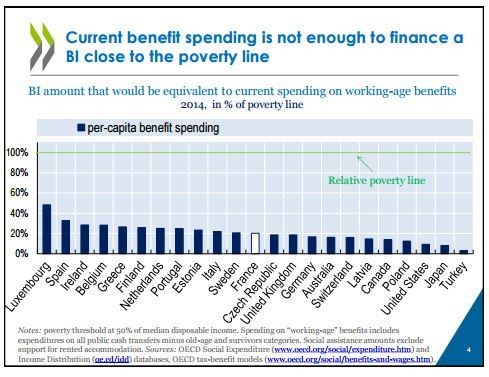
How To Not Be Poor
01 Jul 2017 Leave a comment
in applied price theory, labour economics, poverty and inequality Tags: child poverty, economics of fertility, family poverty, marriage and divorce
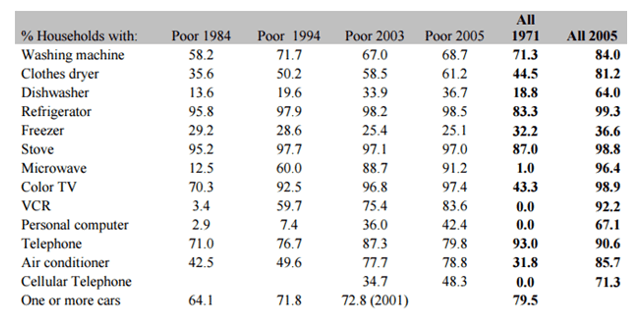
Poverty in America is no dishwasher
05 May 2017 Leave a comment
in economic history, politics - USA, poverty and inequality Tags: child poverty, family poverty, The Great Enrichment
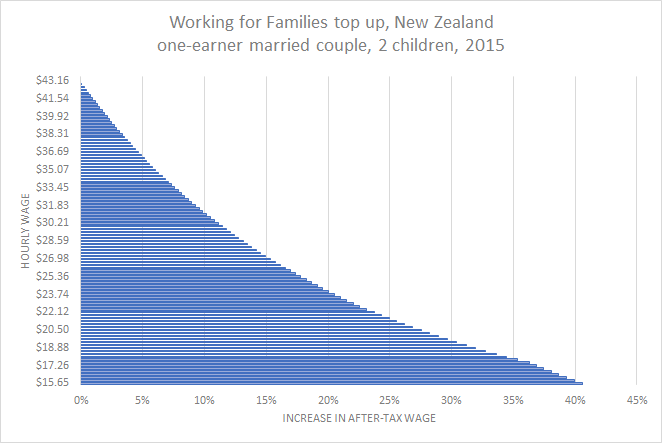
Important to mention tax credits when discussing the working poor? @JordNZ
21 Apr 2017 Leave a comment
in labour economics, politics - New Zealand, poverty and inequality, public economics, welfare reform Tags: child poverty, family poverty, family tax credits, taxation and labour supply
Has family poverty halved over the last 20 years?
25 Mar 2017 Leave a comment
in economic history, politics - New Zealand, poverty and inequality Tags: child poverty, family poverty, The Great Enrichment
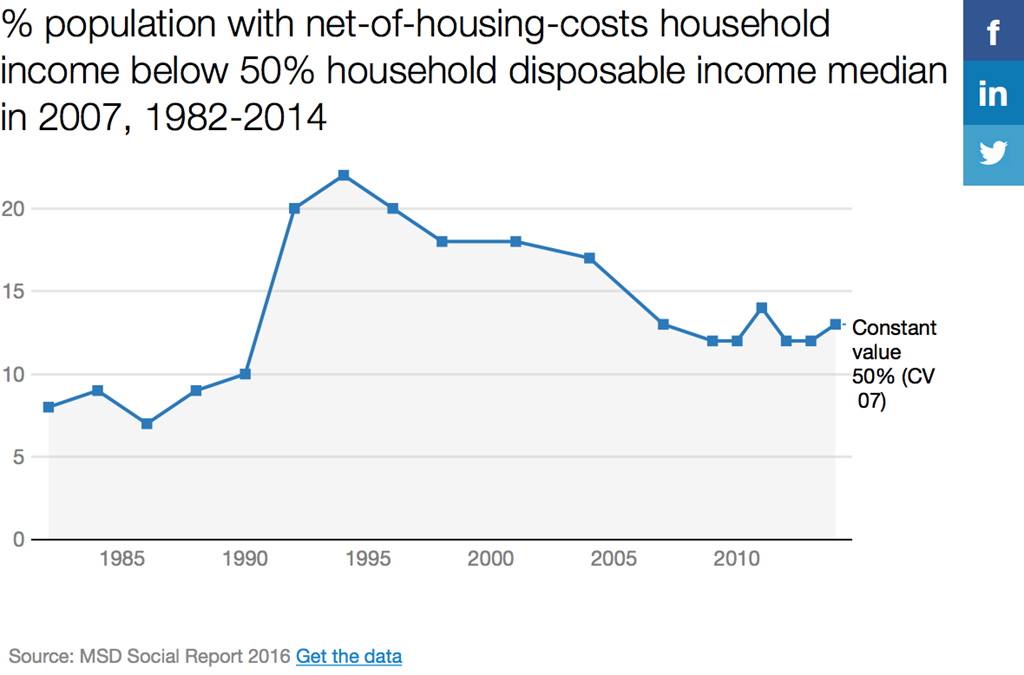
According to Brian Perry, the the expert at the Ministry of Social Development writing in last year’s Social Report:
The primary measure is the proportion of people in households with equivalised disposable income net-of-housing-costs below a threshold set at 50 percent of the 2007 household disposable income median – and held fixed in real terms (the 2007 anchored or constant value measure, CV-07).
This measure shows whether the incomes of low-income households are rising or falling in real terms, irrespective of what is happening to the incomes of the rest of the population.
The two other measures use fully relative thresholds set at 50 and 60 percent of the current year’s household disposable income median net-of-housing-costs (REL 50/60). These measures reflect how low-income households are faring relative to middle-income households.
 Utopia, you are standing in it!
Recent Comments