Reason: In a sweeping move to overhaul Argentina’s food trade policies, Javier Milei’s administration officially deregulated food imports and exports on Monday. The reform, outlined in Decree 35/2025, seeks to boost foreign trade, cut bureaucratic red tape, and lower consumer prices. Federico Sturzenegger, head of the Ministry of Deregulation and State Transformation, explained in a post on […]
Milei Implements Peer Approval for Food
Milei Implements Peer Approval for Food
24 Jan 2025 Leave a comment
in applied price theory, development economics, economics of regulation, health economics, politics - Australia, politics - New Zealand, politics - USA Tags: drug lags, food safety
Modern Scientific Controversies: The War on Food: Part 1
04 Jan 2025 1 Comment
in economics of regulation, health economics Tags: Anti-Science left, food safety
The nutrition and food news today, including radio, TV, blogs, is full of stories decrying the consumption of Ultra-Processed Foods – UPFs. Normally I would give a series of links to the latest headlines but I doubt anyone could have missed them – they have been ubiquitous.
Modern Scientific Controversies: The War on Food: Part 1
Is Burnt Toast Really Bad for You?
28 Dec 2018 Leave a comment
in health economics Tags: food safety
The left says it isn’t anti-science
24 Jun 2018 Leave a comment
in economic history, economics of regulation, environmental economics, health economics Tags: Anti-Science left, food safety, The Great Escape
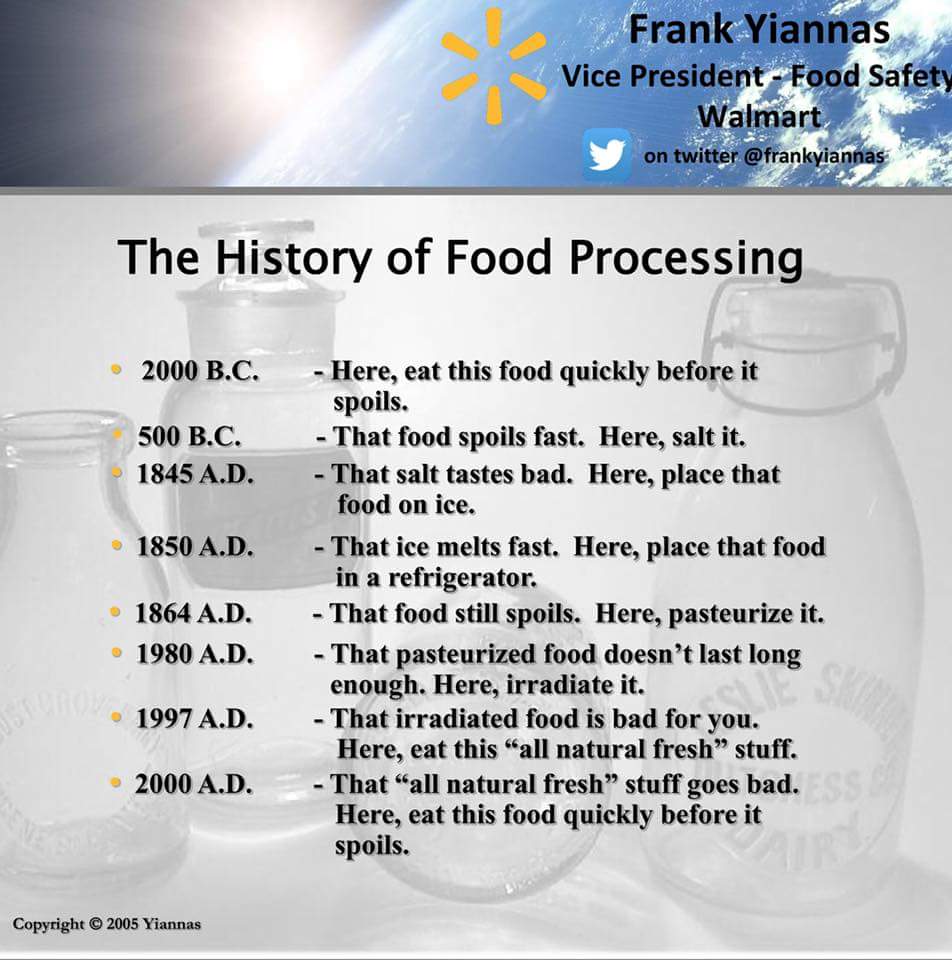
Top 10 Common Misconceptions About Food Safety
19 May 2017 Leave a comment
in economics of information, economics of media and culture Tags: food safety
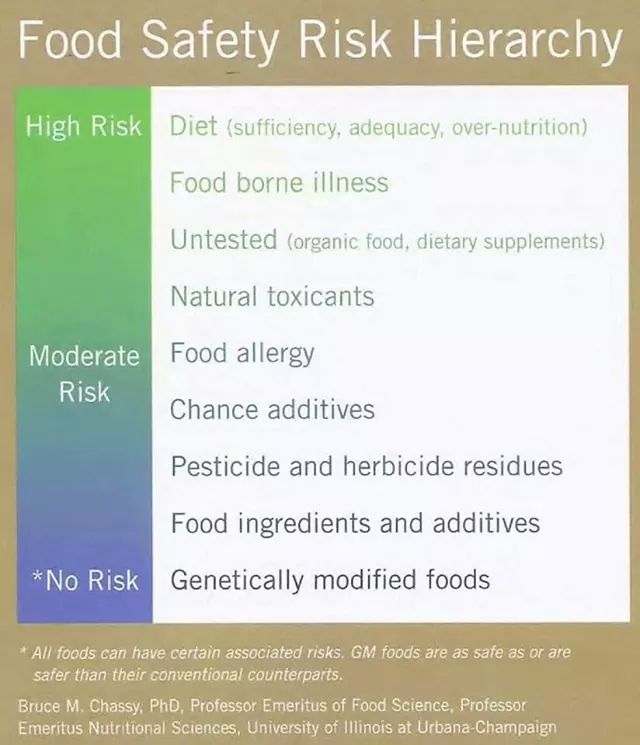
How to sell a toxic pesticide the smart way–call it organic | Genetic Literacy Project
29 Oct 2014 Leave a comment
in economics of regulation, environmental economics, health economics Tags: food safety, food snobs, Quacks

If you are a pesticide company wondering how you can sell a product without being caught in a cultural crossfire, I have good news.
There is a template for marketing success you can use free of charge, courtesy ofMcLaughlin Gormley King Company (MGK) and Valent, which recently announced a sales partnership: Make a toxic chemical cocktail that meets National Organic Program standards and then have the product sold by a subsidiary to foster the perception that it’s a family-run organic companies and not part of the same multinational chemical conglomerate.
via How to sell a toxic pesticide the smart way–call it organic | Genetic Literacy Project.
 Utopia, you are standing in it!
Recent Comments