
It is actually expensive to divest from fossil fuels both from the trading costs of selling, and more particularly, continuously monitoring your portfolio to make sure that fossil fuel companies have not entered surreptitiously in the course of companies in your portfolio buying shares in other companies that have subsidiaries in the fossil fuel industry.
Fischel’s study bases its conclusions on a historical comparison of two hypothetical, diversified, value-weighted stock indices for the period 1965-2014. One index included typical fossil fuel stocks, the other did not. The result: The fund that excluded the fossil fuel investments performed worse than the one that included them. Adding in a variety of other factors — attitudes toward risk, compliance and transaction costs — the analysis suggests that the climate-friendly fund would have earned 23 percent less over the last 50 years.
The Guardian quotes studies that argue the following:
Here are some studies, not funded by the oil industry, which indicate recent divestment would, if anything, have had a positive impact on returns and can reduce investment risk
That actually makes their arguments a wee suspicious. Too good to be true. It’s too much of a happy coincidence that moral choices such as disinvestments are also profitable.
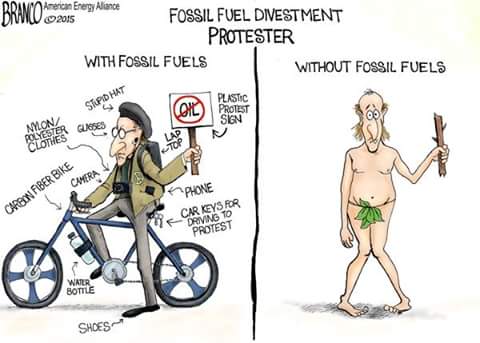
Indeed, if disinvestment was profitable, actively managed portfolios would already have disinvested or marked down the returns and exposure from those shares already to account for the risks of fossil fuel and the temporary profits of peak oil.
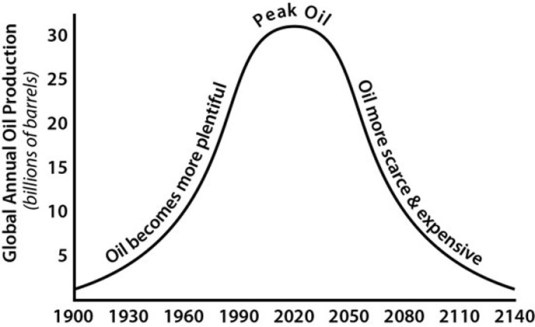
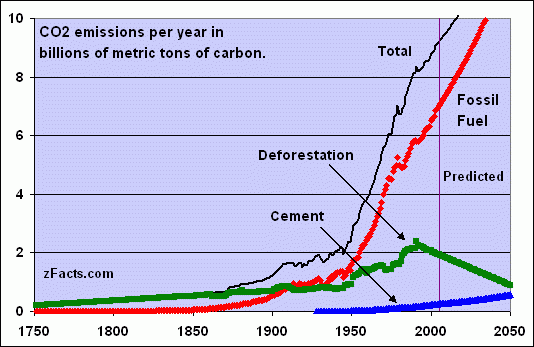
The environmental movement manages to believe in both peak oil – oil will run out in the next two decades or so – and global warming based on runaway carbon emissions for the rest of the century burning the increasingly expensive and increasingly scarce crude oil that had ran out a long time ago previously. Global warming will solve itself as long as we are willing to accept that the environmental movement is genuine in its predictions about peak oil.
At bottom, the Guardian is trying to argue that an actively managed portfolio offers superior returns to an index linked passive portfolio that minimises trading costs. Furthermore, that form of active management requires detailed monitoring of the entire portfolio to ensure that fossil fuel investments do not inadvertently re-enter through the investment decisions of each company in that portfolio.

I can’t remember whether its 70% or 80% of actively managed share portfolios fail to beat the market in any one year. The Guardian’s previously warned in its business pages about actively managed share portfolios swallowing up to 1/3rd of investment returns as management fees.
Figure 1: Who Routinely Trounces the Stock Market?
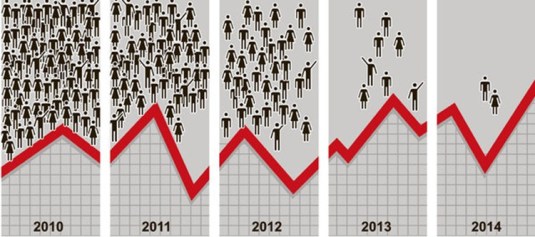
Actively managed portfolios fail to beat a passively managed portfolio with the same composition and diversification as the whole share market itself which trades in shares only for liquidity and to rebalance the portfolio to match new compositions of the share market. Just 2 out of 2,862 actively managed funds managed to beat the market five years a row in the US stock market.
Divestiture from fossil fuels is not a one-off act. There are continual compliance costs and an investment strategy that forecloses using a whole range of low-cost index linked passive investment share portfolio managers. That cannot be denied. . American University said that divesting from these companies would require that AU investments be withdrawn from index funds and commingled funds in favour of more actively managed funds [and] estimated this withdrawal would cause management fees to double.



 Utopia, you are standing in it!
Recent Comments