Balance for ballot propositions
28 Mar 2016 Leave a comment
in economics, economics of media and culture, industrial organisation, Public Choice, survivor principle Tags: media bias
Newspapers and agenda setting
25 Mar 2016 Leave a comment
in constitutional political economy, economics, economics of media and culture, Public Choice Tags: media bias
Does competitiveness lower bias?
23 Mar 2016 Leave a comment
in economics, economics of media and culture, entrepreneurship, politics - USA, Public Choice Tags: media bias
What drives media slant?
20 Mar 2016 Leave a comment
in economics, economics of media and culture, Public Choice Tags: media bias
@TheDailyBlogNZ just does not understand why @JohnKeypm is popular and beats them
16 Mar 2016 Leave a comment
in economics of media and culture, politics - New Zealand Tags: Attack Ads, Key derangement syndrome, media bias, Ronald Reagan
The latest example of Key derangement syndrome, a photo essay, reminded me of a story about some prime time TV network current affairs coverage of Ronald Reagan early in his first term. It was a long piece arguing that he was not a very good president.
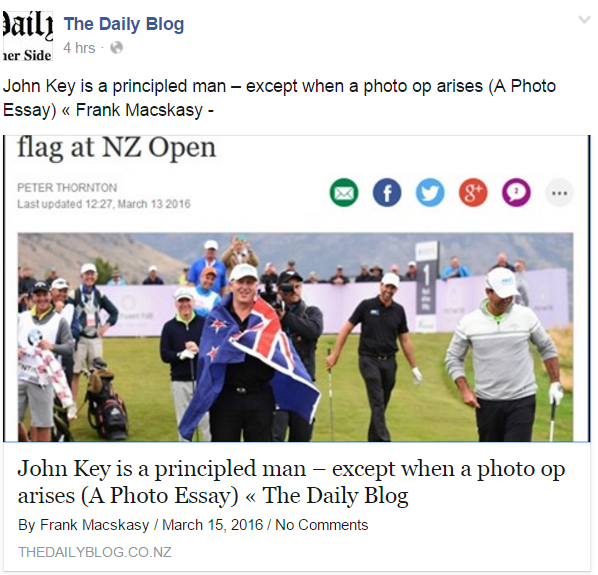
The White House communications director Mike Dever rung up the journalist and thanked him for the coverage. The journalist did not understand why did not understand why.
Dever said that collection of TV clips they put together were excellent – some of the best they have seen. They showed Reagan meeting congressional leaders, business, the public and foreign leaders. Dever said the only thing that the public will remember is the images of Reagan as a hard-working world leader but still a man of the people.
Media outlets by the ideological composition of their audiences
01 Feb 2016 Leave a comment
in economics of media and culture, industrial organisation, survivor principle Tags: media bias
Trust in media by ideology
15 Nov 2015 Leave a comment
in economics of information, economics of media and culture, industrial organisation, politics - USA, Public Choice, survivor principle Tags: expressive voting, media bias, rational ignorance, rational irrationality, The meaning of competition
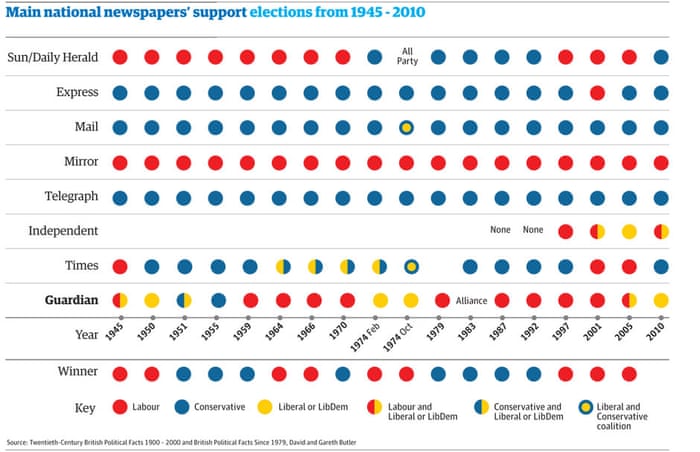
Who do the London newspapers vote for?
17 Sep 2015 Leave a comment
in economic history, economics of media and culture, Public Choice Tags: British politics, expressive voting, London, London newspaper market, media bias, rational ignorance, rational rationality

Is sociology really irrelevant in policy debates?
03 Sep 2015 Leave a comment
in applied price theory, applied welfare economics, comparative institutional analysis, constitutional political economy, economics of bureaucracy, economics of media and culture, income redistribution, labour economics, occupational choice, Public Choice, rentseeking Tags: compensating differentials, evidence-based policy, media bias, offsetting behaviour, public intellectuals, sociology, The fatal conceit, The pretence to knowledge, unintended consequences
Is sociology really irrelevant in policy debates? @familyunequal does a better job with the #s blog.contexts.org/2015/01/25/soc… http://t.co/c4E25DTCmm—
(@SocImages) February 04, 2015
Creative destruction in news
14 Aug 2015 Leave a comment
in economics of media and culture, entrepreneurship, industrial organisation, survivor principle Tags: creative destruction, legacy media, media bias
Some basics about opinion polls and polling results
03 Aug 2015 Leave a comment
in applied price theory, econometerics, Public Choice Tags: data mining, media bias, opinion polls, sampling errors, statistics, voter demographics
Common mistakes in polling and poll results, from PhD Comics…. phdcomics.com/comics.php http://t.co/JIvuPqFVRs—
(@SocImages) August 02, 2015
New Zealand success in closing the gender wage gap is seriously underreported
31 Jul 2015 Leave a comment
in discrimination, gender, human capital, labour economics, labour supply, politics - New Zealand Tags: gender wage gap, media bias
Famous last headlines
29 Jul 2015 Leave a comment
in economic history, economics of media and culture Tags: media bias, Nazi Germany
In the The New York Times on this day in 1924: "Hitler…No longer to be feared." http://t.co/lGiopIUCDT—
Matt Zwolinski (@Mattzwolinski) October 03, 2014
I thought America’s poor never had health insurance cover!? I’ve watched too much American TV?
26 Jul 2015 1 Comment
in applied welfare economics, economic history, economics of media and culture, health economics, industrial organisation, politics - USA, Public Choice, rentseeking, survivor principle Tags: adverse selection, expressive voting, health insurance, Leftover Left, media bias, medicaid, Medicare, moral hazard, Obamacare, rational ignorance, rational irrationality
#Medicaid expands access to health coverage and supports work: bit.ly/1RKHQ2x #Medicaidat50 http://t.co/mydZMggcXg—
Center on Budget (@CenterOnBudget) July 20, 2015
6.4 million seniors get the vital support & care they need thanks to Medicaid: bit.ly/1HqYvNG #Medicaidat50 http://t.co/onWMiYj301—
Center on Budget (@CenterOnBudget) July 23, 2015
Reminder: #Medicaid helps millions of babies: bit.ly/1RS7ME5 #Medicaidat50 http://t.co/SeJ7MFPGWE—
Center on Budget (@CenterOnBudget) July 20, 2015
#Medicaid help millions of children across the country live healthier lives. #Medicaidat50: bit.ly/1RS7ME5 http://t.co/LT6rXhNzUg—
Center on Budget (@CenterOnBudget) July 16, 2015
50 years of coverage that every American deserves. #Medicare http://t.co/uRtERV2k9K—
American Progress (@amprog) July 30, 2015
Mann: Celebrating historic gains in coverage for kids CCF#2015 http://t.co/g7CYQ7DuwN—
Georgetown CCF (@GeorgetownCCF) July 22, 2015
#Medicare has been keeping seniors insured and healthy for 50 years. http://t.co/mXW4x12Rhi—
American Progress (@amprog) July 30, 2015
The majority of Americans of all ages don't recognize that gov subsidizes their health care: vox.com/2015/3/1/81257… http://t.co/ivq5eLThsi—
(@SocImages) April 22, 2015
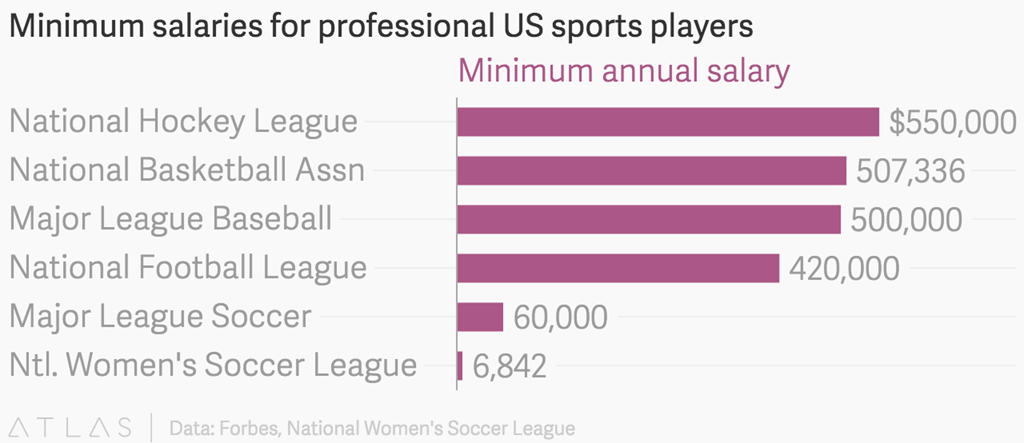
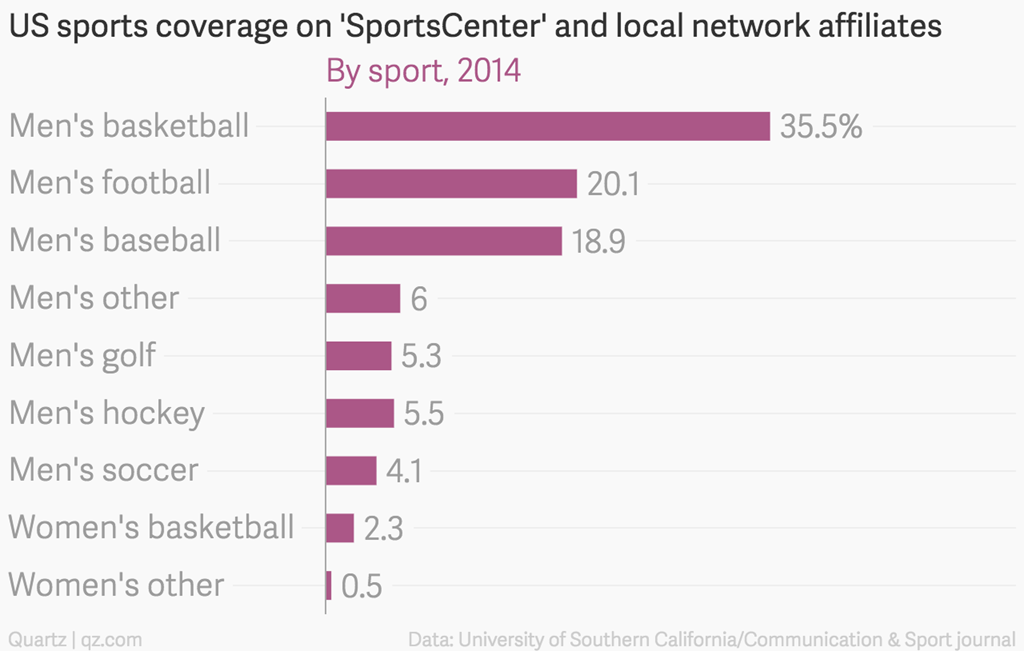
Minimum salaries of American professional sports players and media coverage
13 Jul 2015 Leave a comment
in applied price theory, discrimination, economics of media and culture, entrepreneurship, gender, industrial organisation, labour economics, occupational choice, sports economics, survivor principle Tags: gender wage gap, media bias, sex discrimination, superstar wages, superstars



Recent Comments