I have reanalysed data published by the Peterson Institute on the true levels of social expenditure across the industrialised countries for the Anglo-Saxon countries.
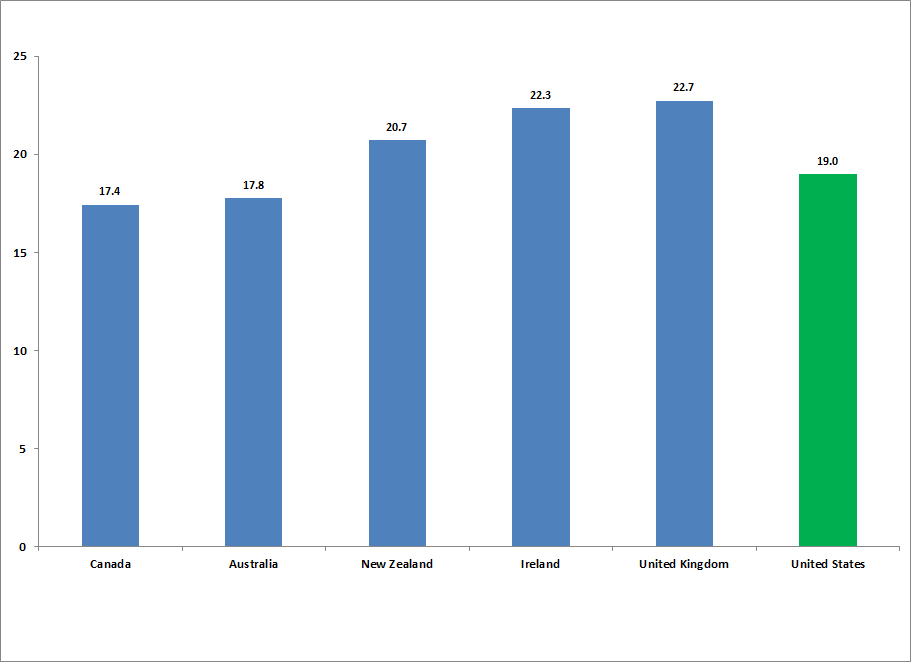
Figure 1: gross public social expenditures in OECD countries, 2011
Source: POLICY BRIEF 15-4: The True Levels of Government and Social Expenditures in Advanced Economies.
When you just look at gross public social expenditure, New Zealand is in the middle of the pack with the United Kingdom having the largest spending. There are not particularly large differences across social spending in the Anglo-Saxon welfare states.
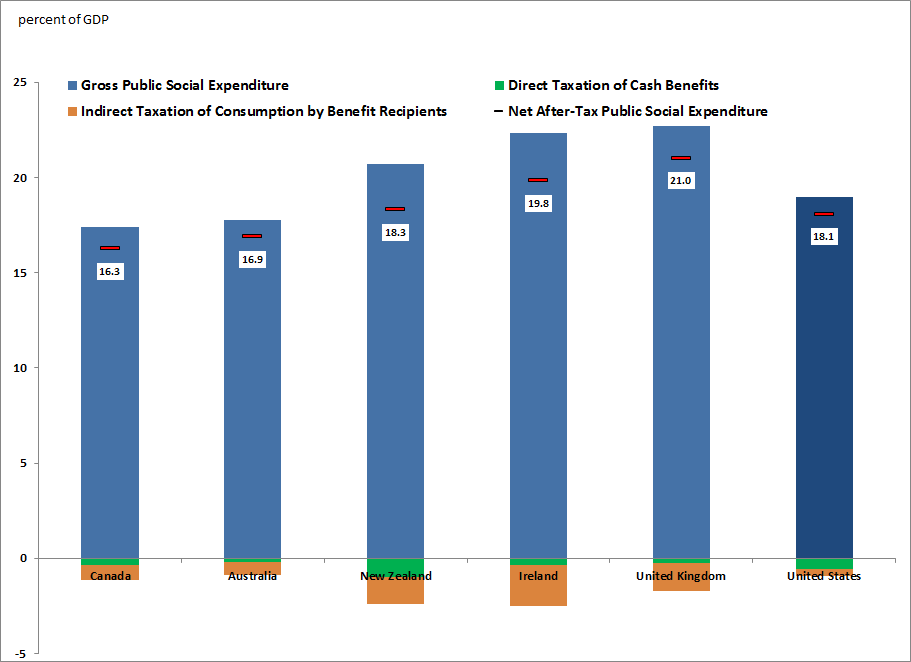
Figure 2: Gross public social expenditure and the effects of taxation in OECD countries, 2011
Source: POLICY BRIEF 15-4: The True Levels of Government and Social Expenditures in Advanced Economies.
There is not much change when you include the effects of taxation on consumption by benefit recipients.
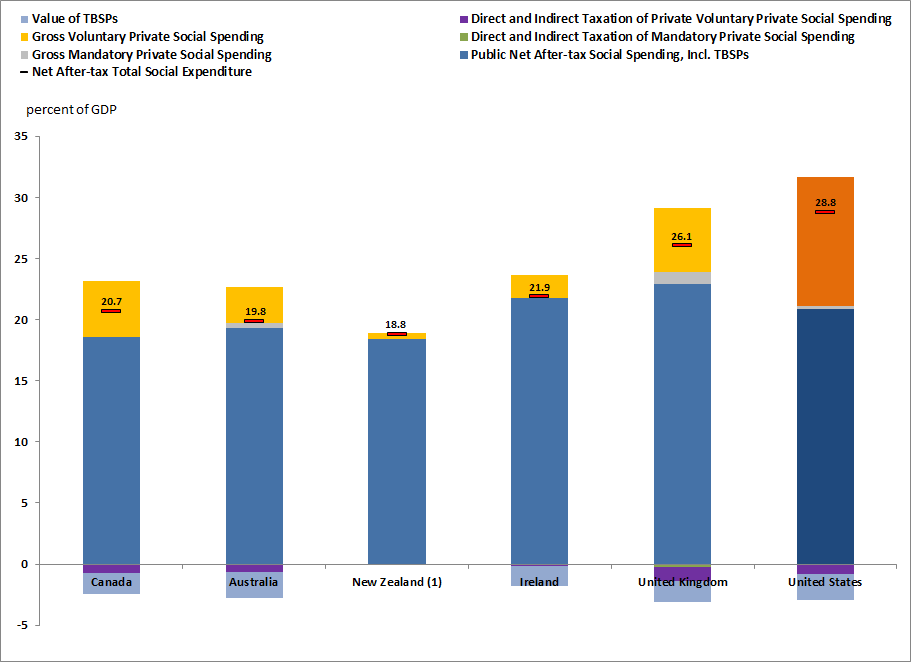
Figure 3: Net after-tax public and private social expenditure in OECD countries, 2011
Source: POLICY BRIEF 15-4: The True Levels of Government and Social Expenditures in Advanced Economies.
When private mandatory social spending is included, such as employer sponsored health cover, there is considerable change with United States leaping to the front and New Zealand dropping to the bottom. The USA has the largest and most expensive is health sector in the world so they are leaping of the front, either because healthcare is expensive in United States or people in the United States are not constrained by government rationing to spend less than they would prefer on their own healthcare. Let’s leave that war of ideas for another day.
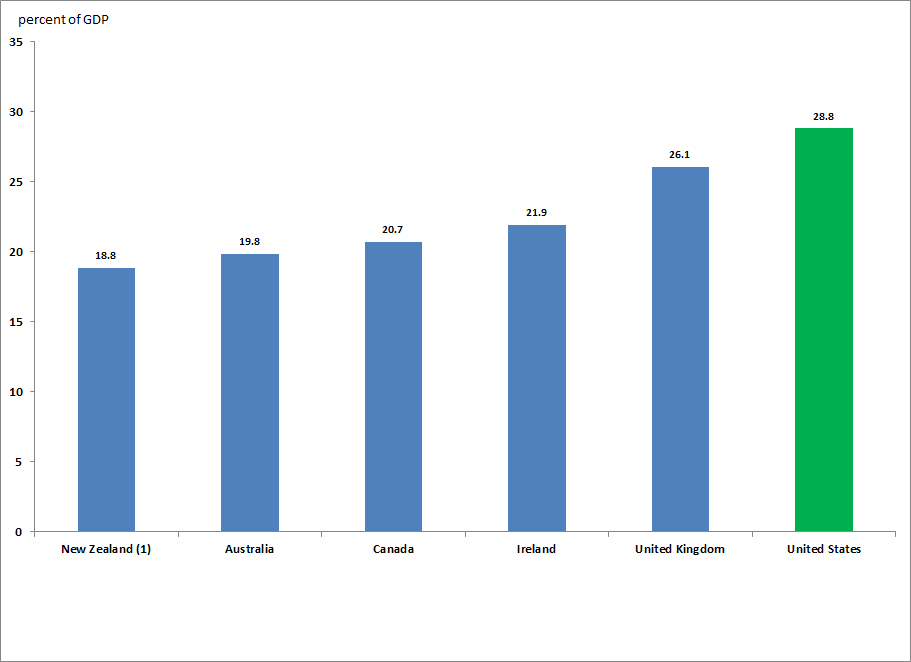
Figure 4: Net after-tax total social expenditures in OECD countries, 2011
Source: POLICY BRIEF 15-4: The True Levels of Government and Social Expenditures in Advanced Economies.
On the face of it, New Zealand has the smallest Anglo-Saxon welfare state while the United States has the largest. A more accurate measure of the relative sizes of these Anglo-Saxon welfare states would require the wisdom of Solomon in measuring waste and underfunding in the respective systems and more trust than you should have in services sector in purchasing power parity adjustments.
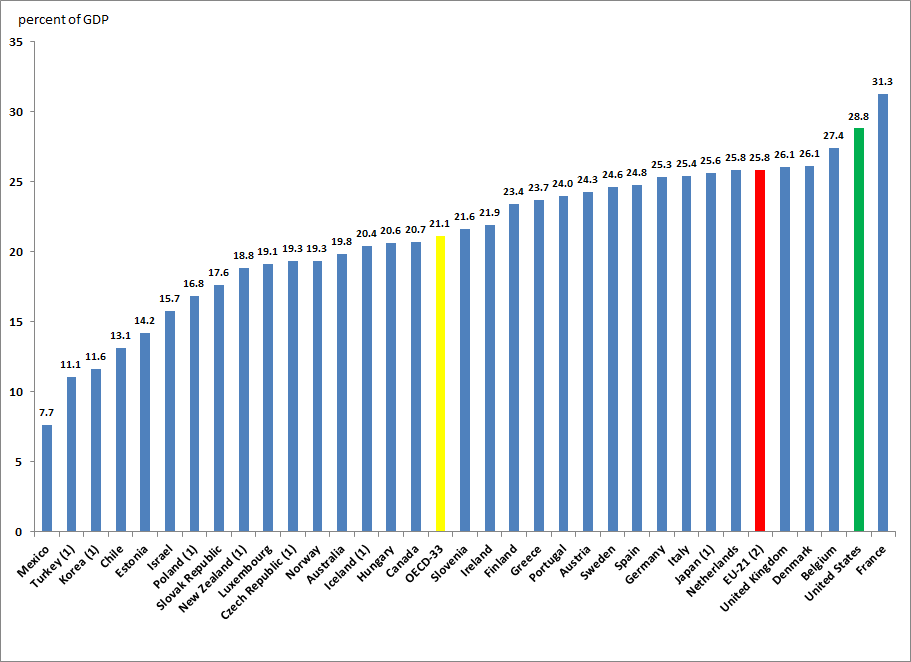
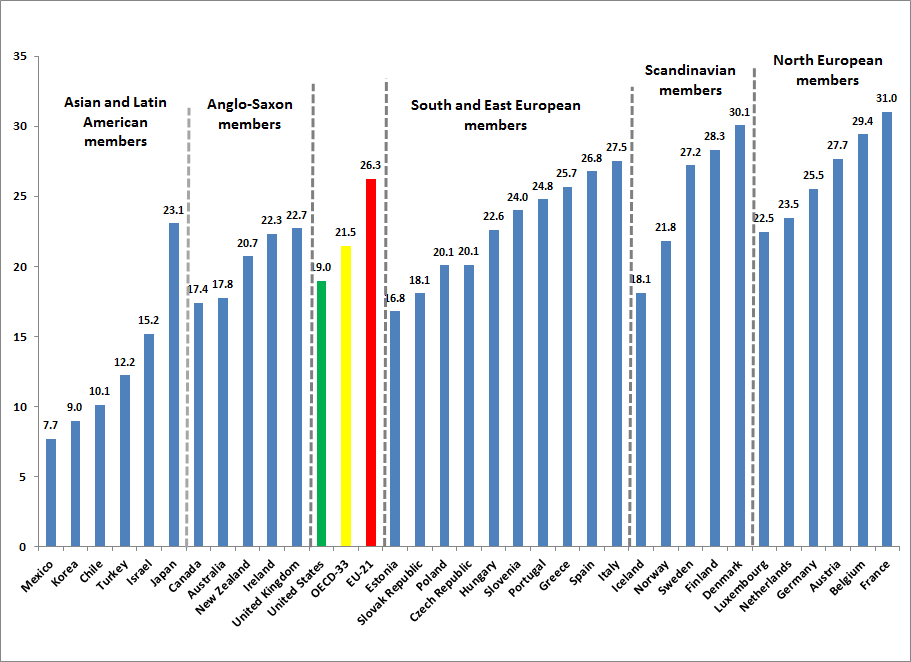
For those that are interested, the OECD-wide gross social spending and net after-tax total social spending are reproduced below in figures 5 and 6.
Figure 5: Net after-tax total social expenditures in OECD countries, 2011
Source: POLICY BRIEF 15-4: The True Levels of Government and Social Expenditures in Advanced Economies.
The Figure 5 data on the OECD wide welfare state sizes shows that when you add private spending, including social spending mandated by law, the US has the second largest OECD social safety net as Kirkegaard said in his Peterson Institute paper:
Taking the full effects of tax systems and social spending from both private and public sources into account, the United States is seen to be devoting more resources toward social purposes than is generally acknowledged. In fact, only the French spend more than Americans, while the alleged welfare-addicted Scandinavians and Europeans spend less on average.
Figure 6: Gross public social expenditures in OECD countries, 2011
Source: POLICY BRIEF 15-4: The True Levels of Government and Social Expenditures in Advanced Economies.
Via The US welfare state and safety net are bigger than you think. But who are they helping? – AEI | Pethokoukis Blog » AEIdeas and POLICY BRIEF 15-4: The True Levels of Government and Social Expenditures in Advanced Economies
 Utopia, you are standing in it!
Recent Comments