Friedman Fundamentals: What We Learned About 70% Tax Rates 50 Years Ago
16 Jul 2019 Leave a comment
in applied price theory, economic history, economics of education, entrepreneurship, fiscal policy, human capital, income redistribution, labour economics, labour supply, occupational choice, poverty and inequality, Public Choice, public economics Tags: taxation and entrepreneurship, taxation and investment, taxation and labour supply
True tax is love is a low top marginal income tax rate
08 Apr 2019 Leave a comment
in applied price theory, economics of education, entrepreneurship, human capital, income redistribution, labour supply, occupational choice, Public Choice, public economics Tags: taxation and entrepreneurship, taxation and investment, taxation and labour supply


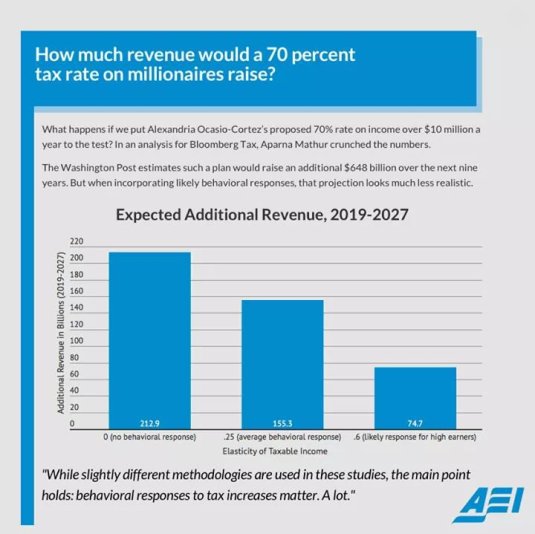
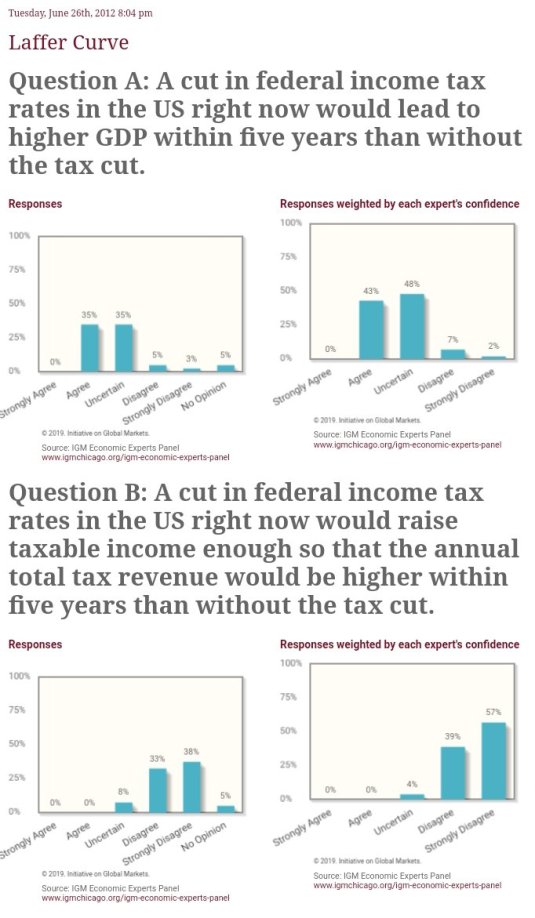
Chad Jones is a trouble maker on top tax rates @paulkrugman
10 Jan 2019 Leave a comment
in applied price theory, economics of education, entrepreneurship, human capital, income redistribution, industrial organisation, labour economics, labour supply, law and economics, occupational choice, politics - USA, poverty and inequality, Public Choice, public economics Tags: creative destruction, superstars, taxation and entrepreneurship, taxation and investment, taxation and labour supply, top 1%

Chad Jones’ awkward remarks on top tax rates and innovation spillovers
09 Jan 2019 Leave a comment
in applied price theory, applied welfare economics, economic growth, economics of education, entrepreneurship, fiscal policy, human capital, income redistribution, industrial organisation, labour economics, labour supply, macroeconomics, occupational choice, politics - USA, poverty and inequality, Public Choice, public economics, rentseeking Tags: creative destruction, taxation and entrepreneurship, taxation and investment, taxation and labour supply, top 1%

Steven Landsburg Discusses Incentives and Taxes
05 Dec 2018 Leave a comment
in applied price theory, applied welfare economics, development economics, economic growth, economic history, entrepreneurship, fiscal policy, human capital, labour economics, labour supply, macroeconomics, public economics Tags: taxation and entrepreneurship, taxation and investment, taxation and labour supply
Finn Kydland on the Great Recession
27 Nov 2018 1 Comment
in budget deficits, business cycles, economic growth, fiscal policy, great recession, macroeconomics, public economics Tags: monetary policy, taxation and entrepreneurship, taxation and investment, taxation and labour supply

“You’re all a bunch of socialists” Mises on Friedman
08 Aug 2018 Leave a comment
in applied price theory, applied welfare economics, Austrian economics, comparative institutional analysis, F.A. Hayek, income redistribution, Ludwig von Mises, Milton Friedman, Public Choice, public economics Tags: taxation and investment, taxation and labour supply
Piketty is a supply-side economists?
12 Jul 2018 Leave a comment
in applied price theory, entrepreneurship, human capital, labour economics, labour supply, occupational choice, poverty and inequality, public economics Tags: taxation and investment, taxation and labour supply, top 1%
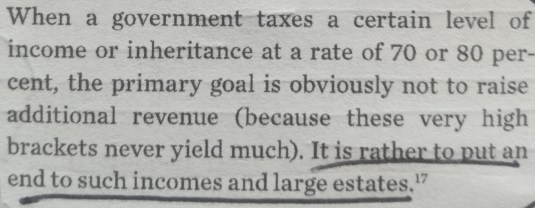
Facts About Taxes: Michael Keane
12 Oct 2017 Leave a comment
in applied price theory, fiscal policy, human capital, labour economics, labour supply, macroeconomics Tags: taxation and labour supply
Macroeconomic Consequences of Taxing the Rich
11 May 2017 Leave a comment
in fiscal policy, macroeconomics, politics - USA, Public Choice, public economics, sports economics Tags: taxation and labour supply, top 1%


Recent Comments