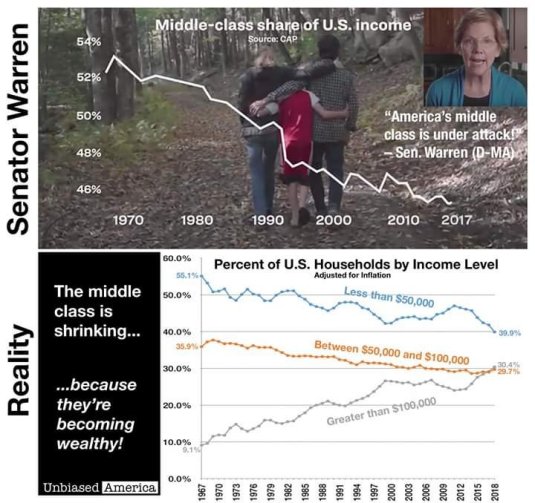
#fakenews from @AOC @SenWarren @BernieSanders
30 Oct 2019 Leave a comment
in applied welfare economics, economics of information, politics - USA, poverty and inequality Tags: 2020 presidential election, envy, top 1%
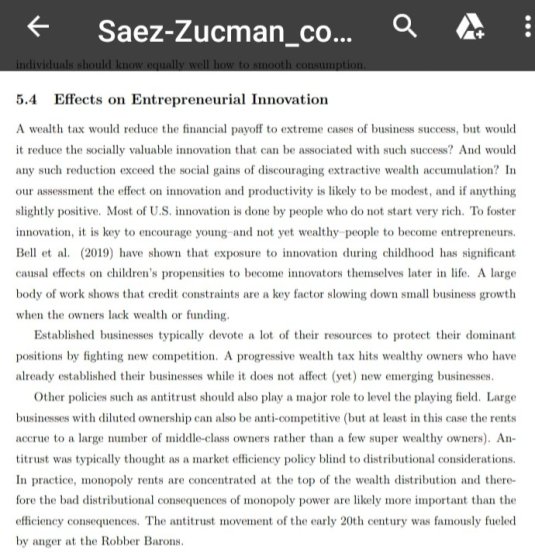
Saez and Zucman are rather blase about the impact of wealth taxes on innovation. Encourage innovation then tax away succesful innovators!
25 Oct 2019 Leave a comment
in applied price theory, entrepreneurship, income redistribution, industrial organisation, Marxist economics, politics - USA, Public Choice, public economics, rentseeking, survivor principle Tags: 2020 presidential election, endogenous growth theory, envy, superstars, top 1%, wealth taxes
Would a “Wealth Tax” Help Combat Inequality? A Debate with Saez, Summers, and Mankiw
20 Oct 2019 Leave a comment
in applied price theory, applied welfare economics, comparative institutional analysis, economics of education, entrepreneurship, financial economics, human capital, income redistribution, industrial organisation, labour economics, labour supply, Marxist economics, occupational choice, politics - USA, poverty and inequality, Public Choice, public economics, rentseeking, survivor principle Tags: envy, superstar wages, superstars, taxation and entrepreneurship, taxation and investment, taxation and labour supply, top 1%, wealth taxes
Do bosses take your labour surplus with them when they die? More on the rise of a working rich @AOC @BernieSanders
19 Oct 2019 Leave a comment
in applied price theory, entrepreneurship, financial economics, human capital, income redistribution, industrial organisation, labour economics, labour supply, law and economics, Marxist economics, occupational choice, poverty and inequality, property rights, Public Choice, survivor principle Tags: labour theory of value, top 1%
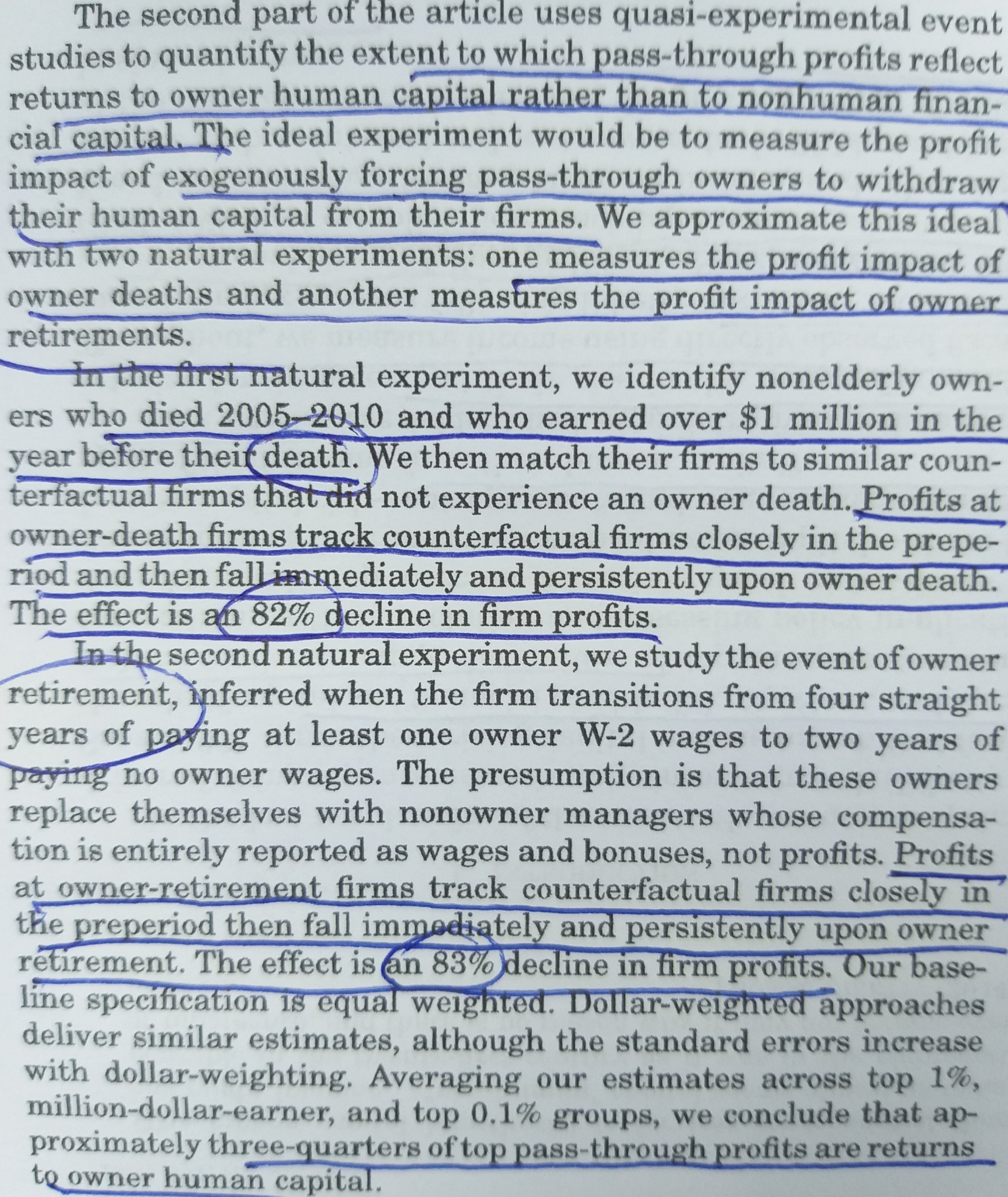
from http://www.ericzwick.com/capitalists/capitalists.pdf
Matthew Smith, Danny Yagan, Owen Zidar, Eric Zwick, Capitalists in the Twenty-First Century, The Quarterly Journal of Economics, Volume 134, Issue 4, November 2019, Pages 1675–1745,
What did millionaire @SenSanders build from scratch?
16 Oct 2019 Leave a comment
in economic history, entrepreneurship, human capital, industrial organisation, labour economics, occupational choice, survivor principle Tags: superstars, The Great Enrichment, top 1%

Piketty wants to abolish billionaires even though most all are self-made
14 Sep 2019 Leave a comment
in applied price theory, entrepreneurship, industrial organisation, Marxist economics, poverty and inequality, public economics Tags: creative destruction, envy, top 1%

Would these tech giants ever have become superstars if their founders had to sell down their controlling interests years ago to pay their wealth taxes
08 Sep 2019 Leave a comment
in economic history, entrepreneurship, human capital, industrial organisation, labour economics, labour supply, occupational choice, politics - USA, Public Choice, public economics, survivor principle Tags: envy, superstar wages, superstars, top 1%
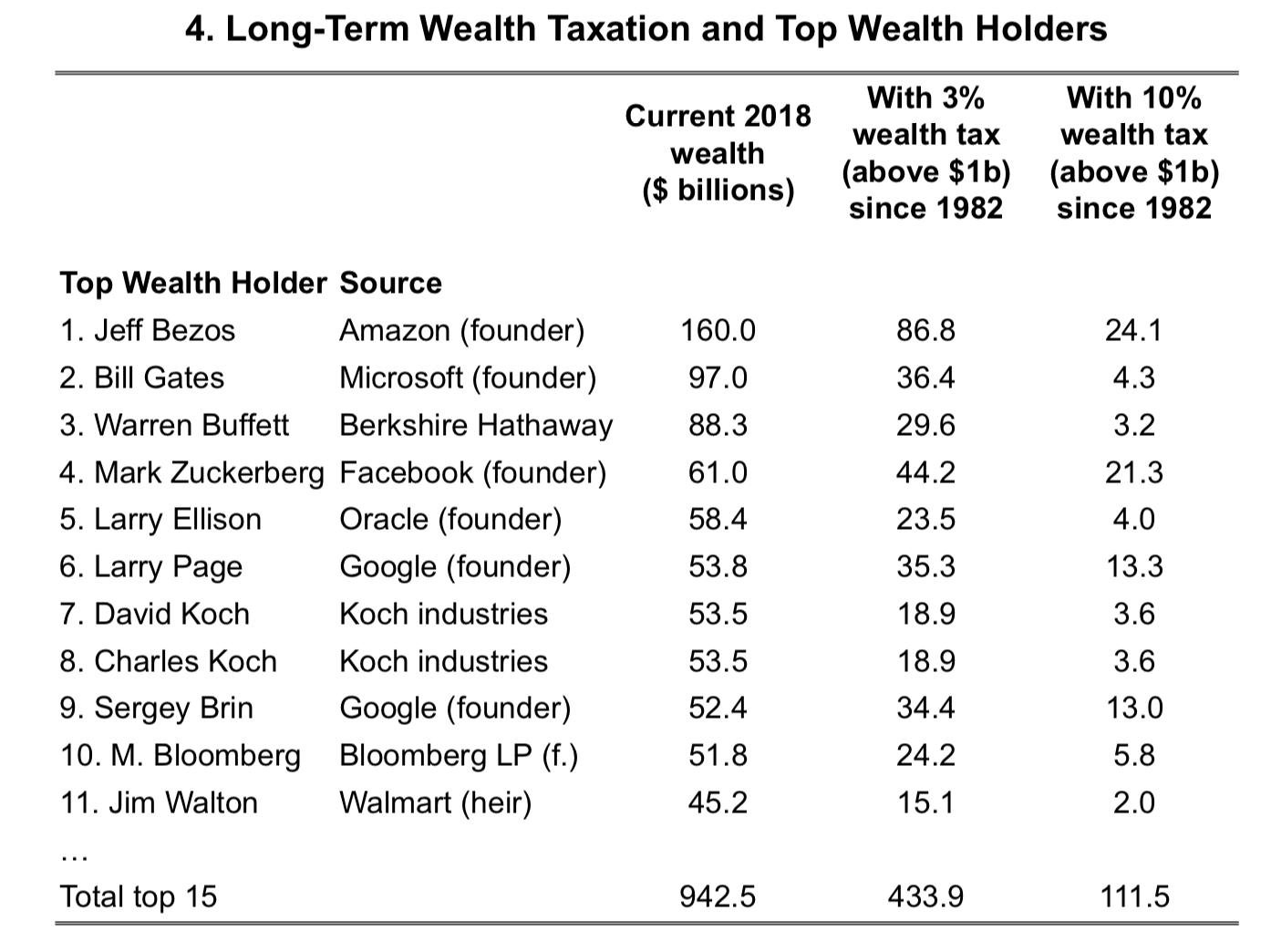
Piketty’s best work was on the emergence of a working rich
03 Aug 2019 Leave a comment
in economic history, entrepreneurship, human capital, income redistribution, labour economics, labour supply, occupational choice, politics - USA, poverty and inequality, Public Choice Tags: superstars, top 1%
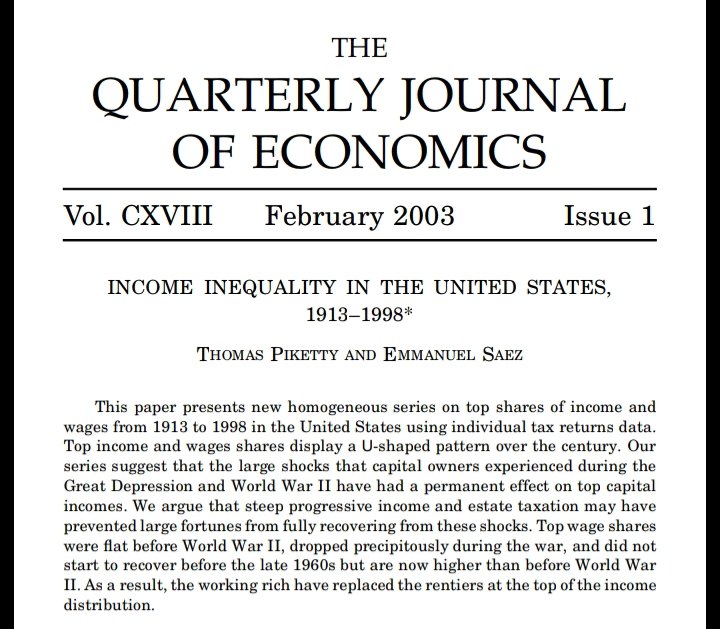
More evidence of a working rich
29 Jun 2019 Leave a comment
in economics of education, entrepreneurship, financial economics, human capital, industrial organisation, labour economics, labour supply, occupational choice, poverty and inequality, survivor principle Tags: top 1%

Inequality, Productivity Stagnation and Moore’s Law | Tyler Cowen
21 Jun 2019 Leave a comment
in applied welfare economics, economic history, economics of information, economics of regulation, financial economics, human capital, industrial organisation, labour economics, labour supply, occupational choice, poverty and inequality Tags: superstar wages, top 1%
Crunched: is the inequality gap really widening?
17 Jun 2019 Leave a comment
in applied welfare economics, development economics, economic history, economics of education, entrepreneurship, human capital, income redistribution, labour economics, labour supply, occupational choice, politics - USA, poverty and inequality Tags: top 1%
The Numbers Game: Do The Rich Get All The Gains?
09 Jun 2019 Leave a comment
in applied price theory, applied welfare economics, economic history, politics - USA, poverty and inequality Tags: top 1%
Milton Friedman on Donahue – 1979 (First Appearance)
04 Jun 2019 Leave a comment
in applied price theory, comparative institutional analysis, economic history, economics of education, economics of regulation, entrepreneurship, industrial organisation, law and economics, Milton Friedman, property rights, Public Choice, public economics, survivor principle, transport economics Tags: offsetting behaviour, The fatal conceit, The Great Enrichment, top 1%
Income Inequality: The Role of Markets & Government Sam Peltzman 2017
30 May 2019 Leave a comment
in applied price theory, applied welfare economics, comparative institutional analysis, constitutional political economy, economic history, economics of education, entrepreneurship, human capital, labour economics, labour supply, occupational choice, poverty and inequality, Sam Peltzman, unemployment, welfare reform Tags: top 1%
 Utopia, you are standing in it!
Recent Comments