Yes Prime Minister, opinion polls and leading questions
17 Aug 2016 Leave a comment
in economics, economics of information, economics of media and culture, television Tags: opinion polls, voter demographics, Yes Prime Minister
Why did voters vote to Leave or Remain? @JulieAnneGenter @Income_Equality
28 Jun 2016 Leave a comment
in constitutional political economy, international economic law, international economics, International law, Public Choice Tags: British economy, British politics, Common market, European Union, pessimism bias, single market, Twitter left, voter demographics
There were few difference across the political spectrum as to why voters voted to Remain or Leave. This is according to Lord Ashcroft’s survey on referendum day of over 12,000 voters.

Source: How the United Kingdom voted on Thursday… and why – Lord Ashcroft Polls
Labour and Tory voters voted to leave to regain control over immigration and sovereignty.
Labour and Tory voters who wanted to remain thought the EU and its single market was a good deal not worth putting at risk. It is all about identity politics, not inequality.
Vote Leave voters are a grumpy lot who think things have been getting worse for 30 years:
Leavers see more threats than opportunities to their standard of living from the way the economy and society are changing, by 71% to 29% – more than twice the margin among remainers…
By large majorities, voters who saw multiculturalism, feminism, the Green movement, globalisation and immigration as forces for good voted to remain in the EU; those who saw them as a force for ill voted by even larger majorities to leave.
Democracy and Political Ignorance: Why Smaller Government Is Smarter
11 Jun 2016 Leave a comment
in applied price theory, applied welfare economics, comparative institutional analysis, constitutional political economy, economics, economics of information, income redistribution, Public Choice, public economics, rentseeking Tags: rational ignorance, rational irrationality, voter demographics
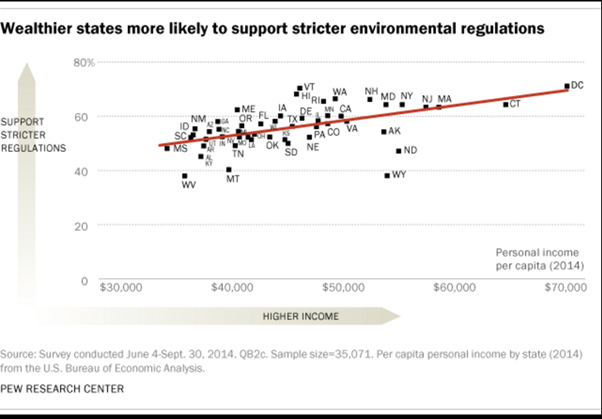
The wealthy are more likely to support stricter environmental regulation
13 May 2016 Leave a comment
in economics of regulation, environmental economics, Public Choice Tags: expressive voting, rational irrationality, voter demographics
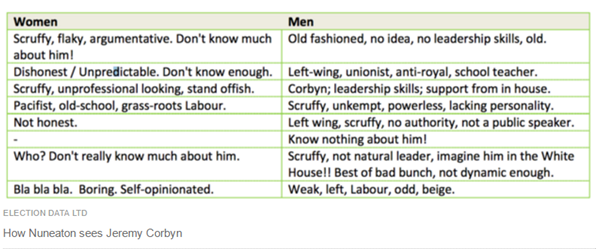
I imagine him in the White House – @jeremycorbyn’s like someone who got lost from the tour
09 May 2016 Leave a comment
in Public Choice Tags: British politics, focus groups, voter demographics
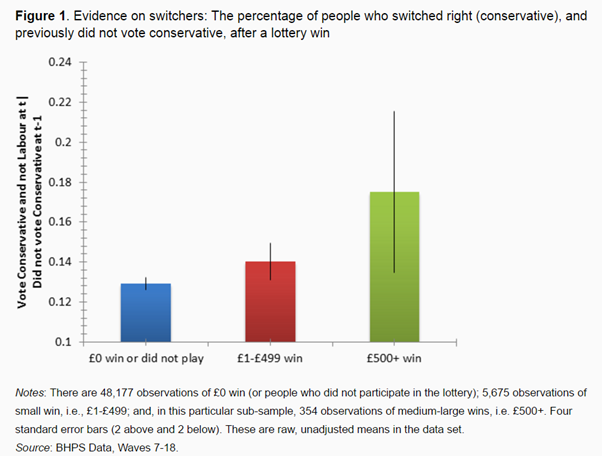
Winning the lottery makes you into right-wingers
29 Apr 2016 Leave a comment
in labour economics, labour supply, Public Choice Tags: lottery winners, voter demographics
Forget avoidance outrage: public’s real attitude to tax is revealed by their actions @JordNZ
21 Apr 2016 Leave a comment
in applied price theory, constitutional political economy, economic history, economics of media and culture, politics - Australia, politics - New Zealand, politics - USA, Public Choice, public economics Tags: British economy, British politics, expressive voting, growth of government, rational irrationality, revealed preference, size of government, voter demographics
Americans used to be much more trusting of government
15 Apr 2016 Leave a comment
in constitutional political economy, economics of bureaucracy, income redistribution, politics - USA, Public Choice, rentseeking Tags: rational ignorance, rational irrationality, special interests, voter demographics
A libertarian Venn diagram
09 Apr 2016 Leave a comment
in liberalism, libertarianism Tags: voter demographics
Partisans divides on foreign threats in the USA
12 Feb 2016 Leave a comment
in defence economics, economics of media and culture, environmental economics, global warming, politics - USA Tags: 2016 presidential election, climate alarmism, foreign policy, global warming, voter demographics
It is the 1960s hippies who are letting marijuana decriminalisation down at the ballot box
11 Jan 2016 Leave a comment
in economic history, politics - Australia, politics - New Zealand, politics - USA Tags: baby boomers, marijuana decriminalisation, rational irrationality, voter demographics

Politics and declining religiosity
26 Dec 2015 Leave a comment
in economics of religion Tags: voter demographics
There's a strong correlation between politics and declining religiosity in America: bit.ly/1sSgUAq http://t.co/lnPZ7yx98M—
Boston Review (@BostonReview) October 18, 2014


Recent Comments