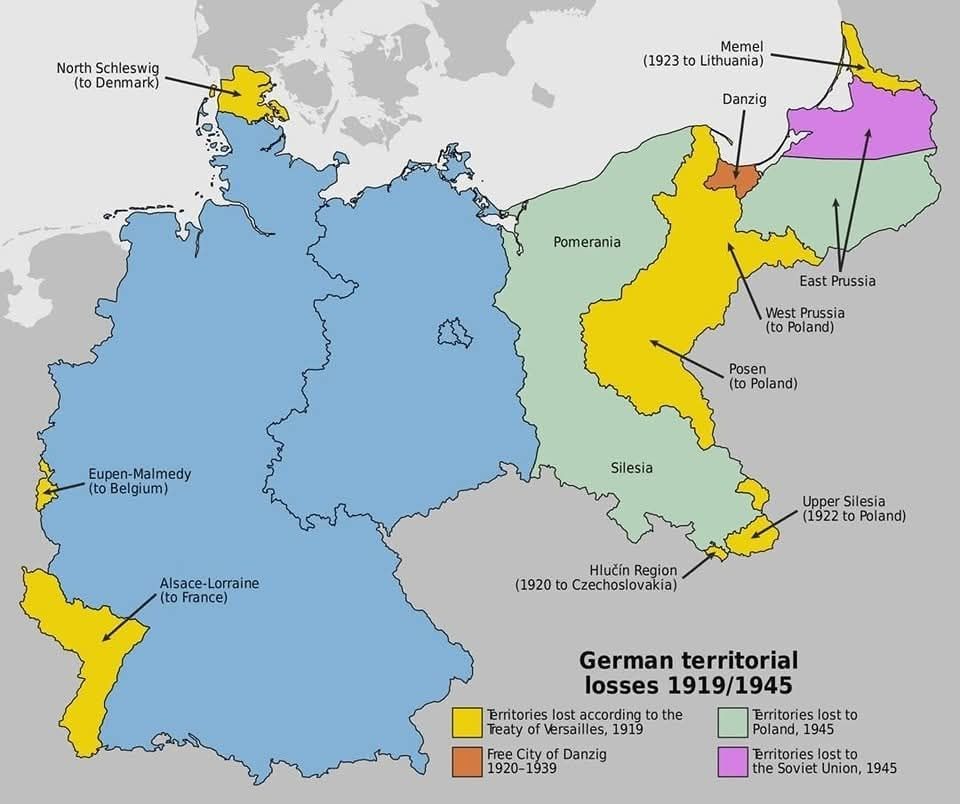
Should they be returned?
24 Feb 2025 Leave a comment
in defence economics, economic history, International law, war and peace Tags: economics of borders, maps, Nazi Germany, World War I, World War II
3 things the M4 Sherman did BETTER than other tanks
22 Feb 2025 2 Comments
in defence economics, war and peace Tags: World War II
Simon Wiesenthal’s interview for Penthouse Magazine
09 Feb 2025 Leave a comment
in defence economics, economics of crime, law and economics, laws of war, war and peace Tags: Nazi Germany, The Holocaust, World War II

Earlier this week, I wrote a blog post featuring quotes from Holocaust survivors. Among them, I came across a powerful statement by Simon Wiesenthal: “For your benefit, learn from our tragedy. It is not a written law that the next victims must be Jews. It can also be other people. We saw it begin in […]
Simon Wiesenthal’s interview for Penthouse Magazine
Audie Murphy’s Medal of Honor
08 Feb 2025 Leave a comment
in defence economics, war and peace Tags: World War II

Audie Leon Murphy was an American soldier, actor, and songwriter. He was widely celebrated as the most decorated American combat soldier of World War II. He was awarded the Medal of Honor for his extraordinary heroism on January 26, 1945, near Holtzwihr, France. The Medal of Honor citation describes actions that exemplify remarkable bravery, leadership, […]
Audie Murphy’s Medal of Honor
Could You Survive on British World War Two Rations?
05 Feb 2025 Leave a comment
in defence economics, health economics, war and peace Tags: rationing, World War II
A Wartime Natural Experiment About Copyright
26 Jan 2025 1 Comment
in applied price theory, comparative institutional analysis, defence economics, econometerics, economic history, economics of education, economics of information, economics of media and culture, economics of regulation, industrial organisation, law and economics, politics - USA, property rights, war and peace Tags: patents and copyrights, World War II
One of the hardest questions in copyright policy is: “What would have happened otherwise?” When Disney lobbies for longer copyright terms or academic publishers defend high subscription fees, we struggle to evaluate their claims because we can’t observe the counterfactual. What would happen to creativity and innovation if we shortened copyright terms or lowered prices? […]
A Wartime Natural Experiment About Copyright
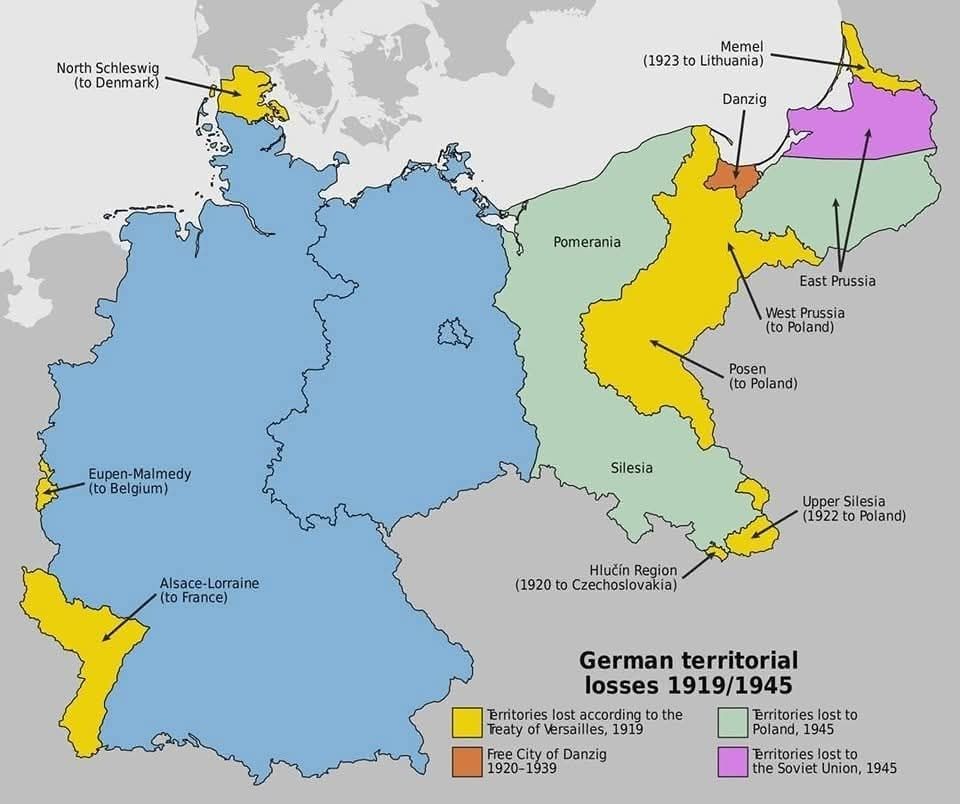
I like maps
24 Jan 2025 Leave a comment
in defence economics, economic history, international economics, International law, war and peace Tags: Nazi Germany, World War I, World War II
The Dutch Hunger Winter: The 1944/45 Famine
16 Jan 2025 Leave a comment
in defence economics, health economics, war and peace Tags: Netherlands, World War II

The Dutch Hunger Winter, also known as the Hongerwinter, was a devastating famine that gripped the Netherlands during the final months of World War II, from November 1944 to April 1945. This period of extreme hardship left a profound mark on Dutch society, shaped the collective memory of the war, and offered critical insights into […]
The Dutch Hunger Winter: The 1944/45 Famine
The Evacuation of Auschwitz and the Death March
16 Jan 2025 Leave a comment
in defence economics, economics of crime, International law, law and economics, laws of war, war and peace Tags: Nazi Germany, The Holocaust, World War II

From January 1945, in the final months of the Third Reich, approximately 250,000 concentration camp inmates perished during death marches and in numerous acts of mass slaughter. These prisoners were mercilessly murdered by SS guards, army and police units, and, in many cases, by civilian mobs as they passed through towns and villages in Germany,Austria […]
The Evacuation of Auschwitz and the Death March
The British Free Corps: A Historical Analysis of Propaganda, Treason, and Coercion
22 Dec 2024 Leave a comment
in defence economics, economics of crime, law and economics, laws of war, war and peace Tags: World War II
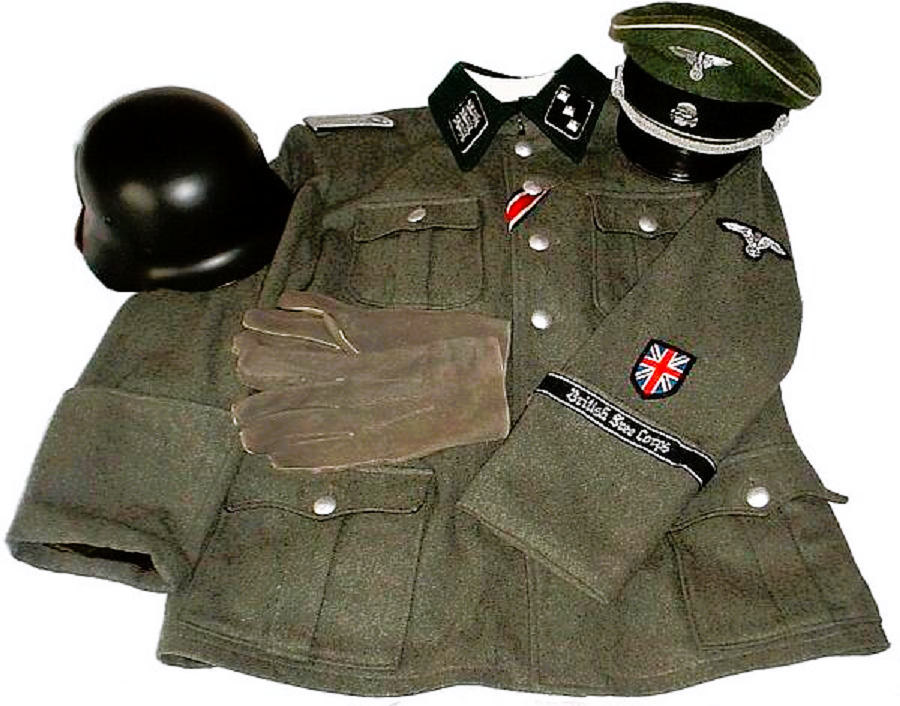
The British Free Corps (BFC) stands as one of the more peculiar episodes of World War II, symbolizing Nazi Germany’s propaganda-driven attempts to exploit discontent and division among Allied prisoners of war (POWs). Though numerically insignificant and operationally negligible, the BFC has drawn historical interest as a study in the intersection of ideology, coercion, and […]
The British Free Corps: A Historical Analysis of Propaganda, Treason, and Coercion
Blood in the snow-The Malmedy massacre
19 Dec 2024 Leave a comment
in defence economics, economics of crime, law and economics, laws of war, war and peace Tags: World War II

The Malmedy Massacre: A Tragedy of War and the Story of Survival The Malmedy Massacre, which occurred during the Battle of the Bulge on December 17, 1944, stands as one of the most heinous war crimes committed by German forces during World War II. This event, marked by the ruthless execution of unarmed American prisoners […]
Blood in the snow-The Malmedy massacre
Hedy Lamarr and ‘WiFi’ during WWII
10 Nov 2024 Leave a comment
in defence economics, economic history, entrepreneurship, movies, war and peace Tags: World War II

Hedy Lamarr, born Hedwig Eva Maria Kiesler in 1914 in Vienna, Austria, is best known for her work as a Hollywood actress during the Golden Age of cinema. However, her contributions to science and technology, particularly her co-invention of a technology that laid the groundwork for WiFi, Bluetooth, and GPS, have garnered increasing recognition. Lamarr’s […]
Hedy Lamarr and ‘WiFi’ during WWII
November 8, 1939—Failed Assassination Attempt
09 Nov 2024 1 Comment
in defence economics, economics of crime, law and economics, liberalism Tags: Nazi Germany, World War II
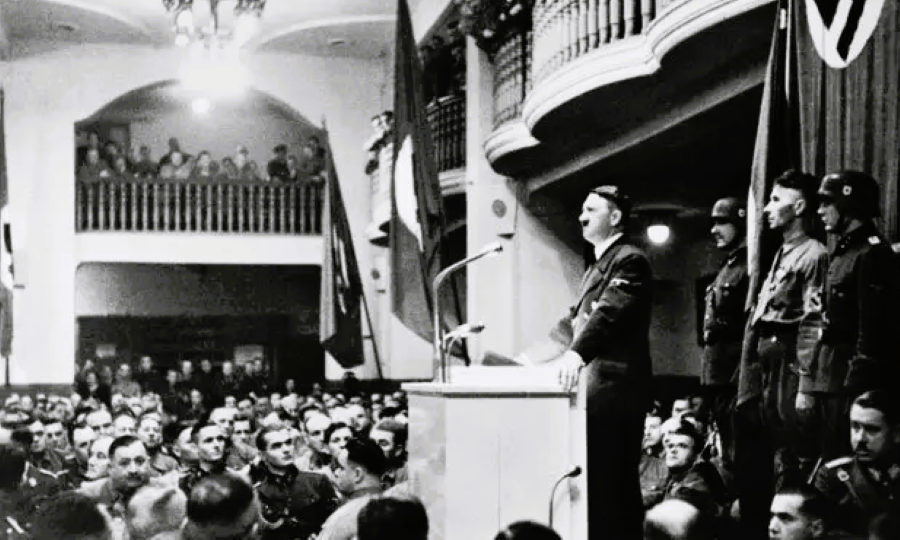
On November 8, 1939, Adolf Hitler narrowly escaped an assassination attempt in Munich. The attempt took place in the Bürgerbräukeller, a popular beer hall where he annually commemorated the anniversary of the 1923 Beer Hall Putsch, an early failed coup that Hitler had led in an attempt to seize power in Germany. The bomb was […]
November 8, 1939—Failed Assassination Attempt
The National Childcare Program During World War II
02 Nov 2024 Leave a comment
in applied price theory, defence economics, discrimination, econometerics, economic history, gender, human capital, labour economics, labour supply, war and peace Tags: World War II
The United States has has a nationwide childcare program at one time in its history: a temporary program during World War II. Tim Sablik of the Federal Reserve Bank of Richmond tells the story and summarizes some economic research on the topic in “When Uncle Sam Watched Rosie’s Kids: To support women working on the…
The National Childcare Program During World War II
AFTERMATH: LIFE IN THE FALLOUT OF THE THIRD REICH 1945-1955 by Harald Jahner
22 Oct 2024 Leave a comment
in defence economics, development economics, economic history, war and peace Tags: Nazi Germany, World War II
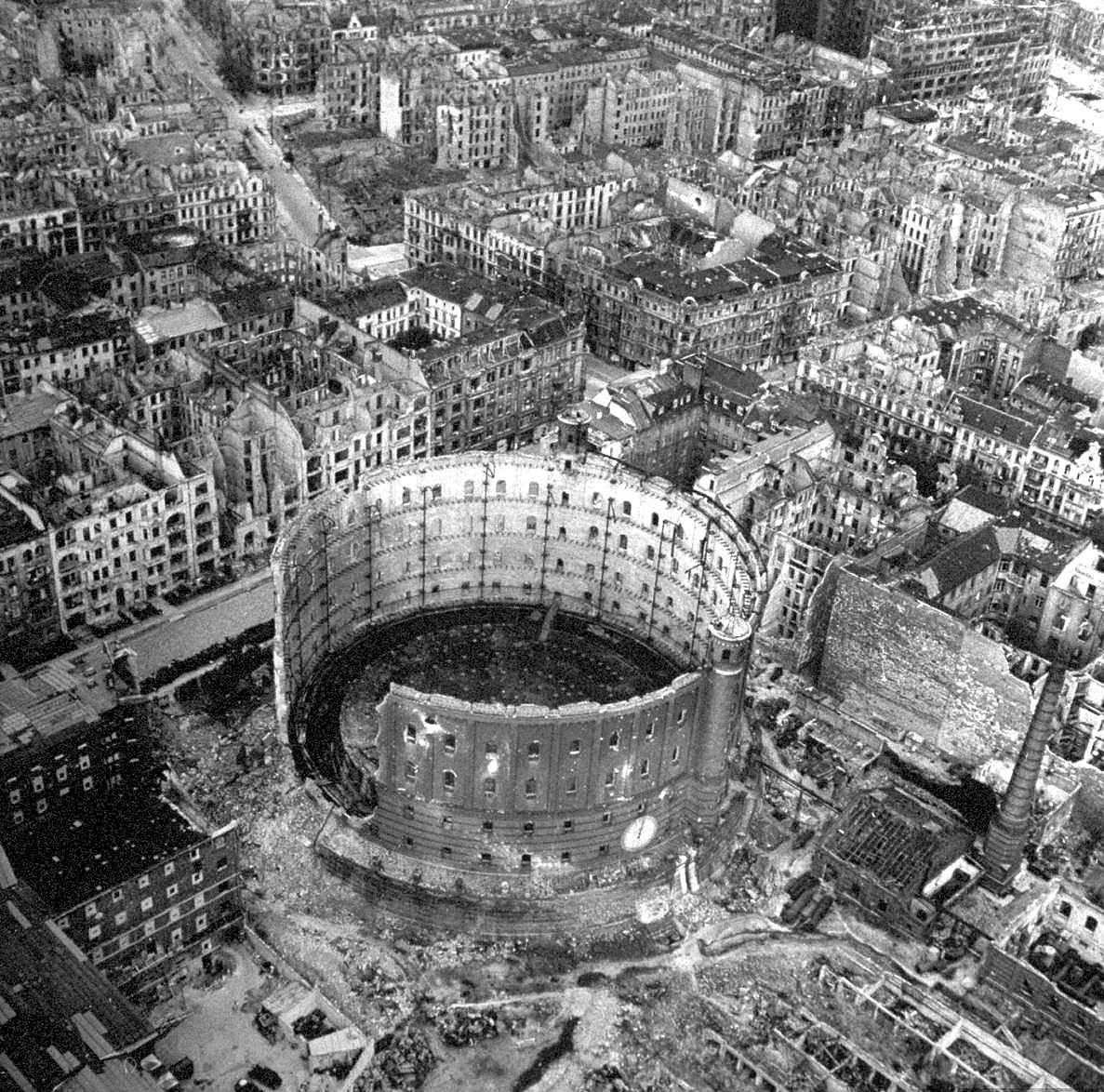
(Berlin at the end of World War II) Today Germany finds itself as the strongest economic power in Europe, in addition to possessing major military influence due to the Russian invasion of Ukraine. Its influence in Europe is strong and many of the goals of the Nazi regime during World War II have been achieved […]
AFTERMATH: LIFE IN THE FALLOUT OF THE THIRD REICH 1945-1955 by Harald Jahner
 Utopia, you are standing in it!
Recent Comments