


Wikimedia Commons
Julia Kindt, University of Sydney
Thucydides’s History of the Peloponnesian War breaks off before the story is over. After detailing the armed conflict between the Athenians and the Spartans (and their respective allies) between 431 and 404 BCE, the eight-book text ends abruptly in the middle of a chapter as if, one day, the writer simply dropped his pen and left his desk, never to return.

shakko, Wikimedia Commons, CC BY
What required such urgent and final attention? And why did Thucydides never return to complete the manuscript? Whatever the answers, the book’s incompleteness adds a human touch to a work that is otherwise an accomplished and polished piece of writing.
The Peloponnesian War Thucydides recounts culminated in Sparta’s surprisingly…
View original post 1,995 more words

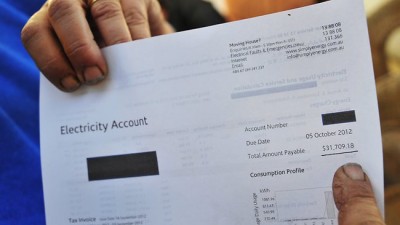




 Below is my column in The Hill Newspaper on the legal analysis surrounding the disclosure by former FBI Director James Comey that he leaked damaging information against President Donald Trump in memos to the press. I have been surprised by the analysis which has been both artificially narrow or outright erroneous on the underlying legal issues. There was an early effort, for example, to judge the lawfulness of Comey’s actions solely on the basis of whether it was a crime. If these memos were government property, a claim for criminal conduct could be made but it would be unlikely under existing precedent. However, that does not mean that Comey’s conduct was either lawful or professional. Neither is true. In the rush to lionize Comey, the media is ignoring the fact that others have been punished for releasing non-public information to the media. Moreover, Comey and the FBI was tasked with…
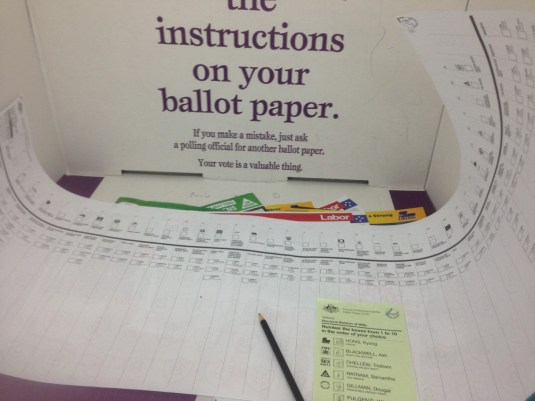
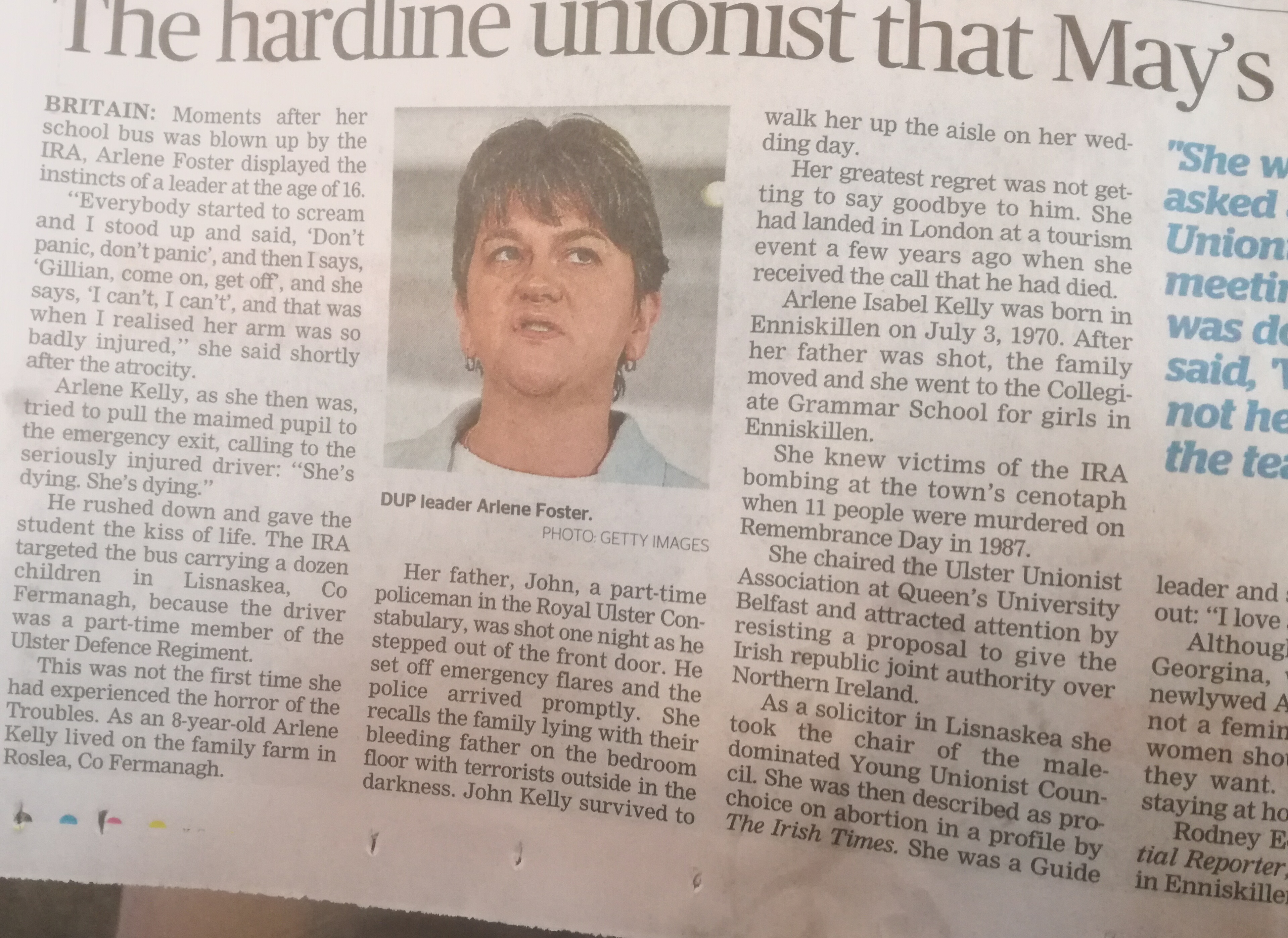
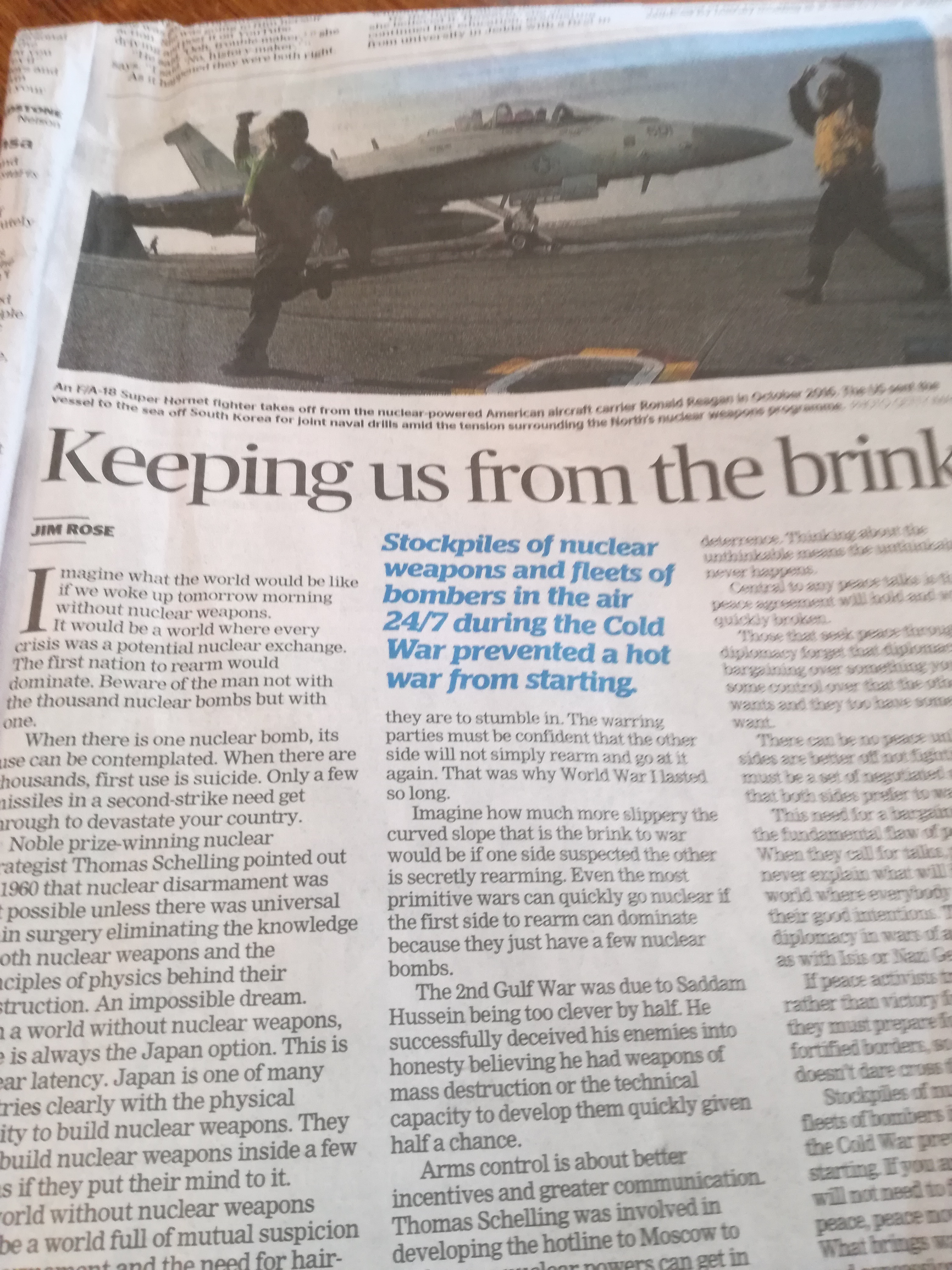
 Utopia, you are standing in it!

Recent Comments