Last year, I reported how all of these buses had been mothballed because of a lack of hydrogen supply in Aberdeen. Presumably the eco-nutters thought it came out of thin air! The post Aberdeen hydrogen bus fleet sold for just 6% of original public investment appeared first on Watts Up With That?.
Aberdeen hydrogen bus fleet sold for just 6% of original public investment
Aberdeen hydrogen bus fleet sold for just 6% of original public investment
19 Sep 2026 Leave a comment
in economics of climate change, energy economics, environmental economics, environmentalism, global warming, transport economics, urban economics Tags: British politics
Report: California’s Proposed ‘Billionaire Tax’ Is Based on Bad Research
19 Sep 2026 Leave a comment
in fiscal policy, macroeconomics, Marxist economics, politics - USA, public economics Tags: California, taxation and entrepreneurship, taxation and investment
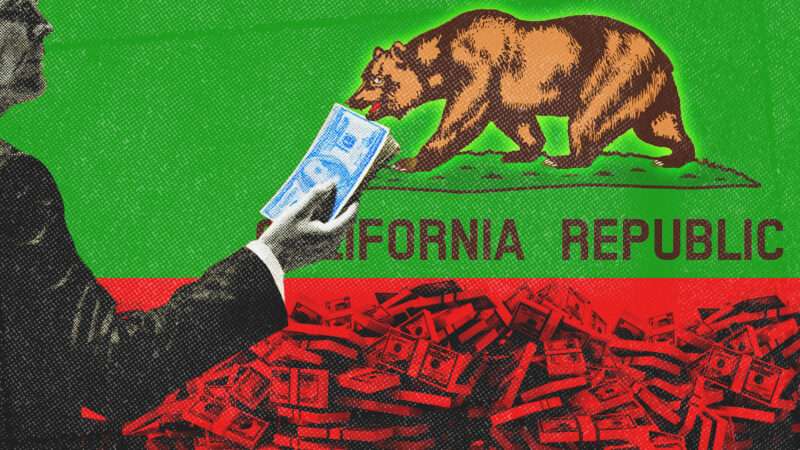
The planned wealth tax leads slightly in the polls and is already driving capital flight.
Report: California’s Proposed ‘Billionaire Tax’ Is Based on Bad Research
Who values democracy?
19 Sep 2026 Leave a comment
in applied price theory, comparative institutional analysis, constitutional political economy, econometerics, economic history
This paper examines the conventional view that redistribution is central to the democratization process using data from stock markets. Consistent with this view, democratizations have a large, negative impact on asset valuations driven by a rise in redistribution risk. Across 90 countries over 200 years, risk premia are substantially elevated— similar in magnitude to financial…
Who values democracy?
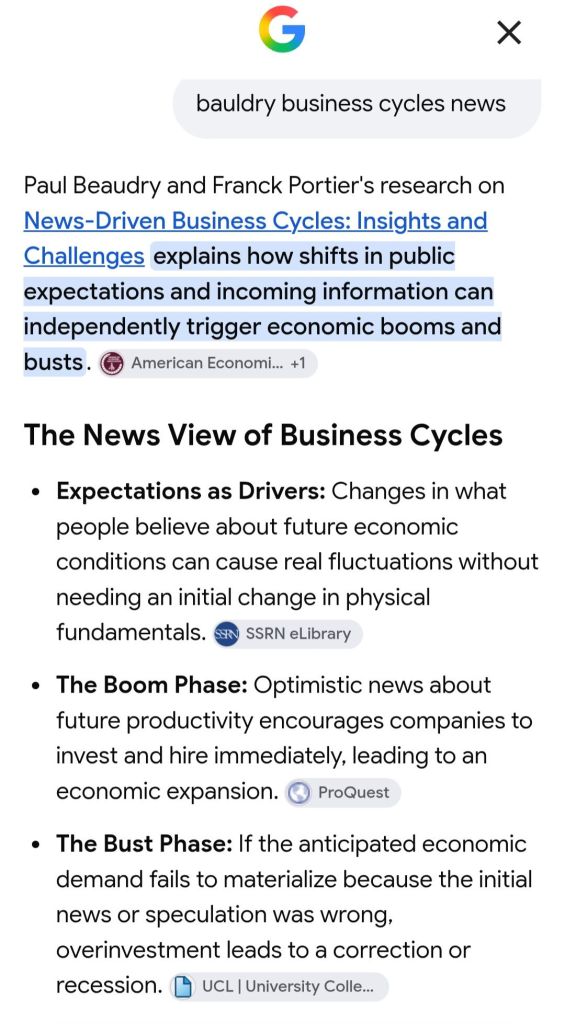
News drives business cycles
19 Sep 2026 Leave a comment
in business cycles, economic growth, history of economic thought, macroeconomics, monetary economics
Taking Us for Fools
18 Sep 2026 Leave a comment
in economics of climate change, economics of information, energy economics, environmental economics, environmentalism, global warming Tags: climate alarmism
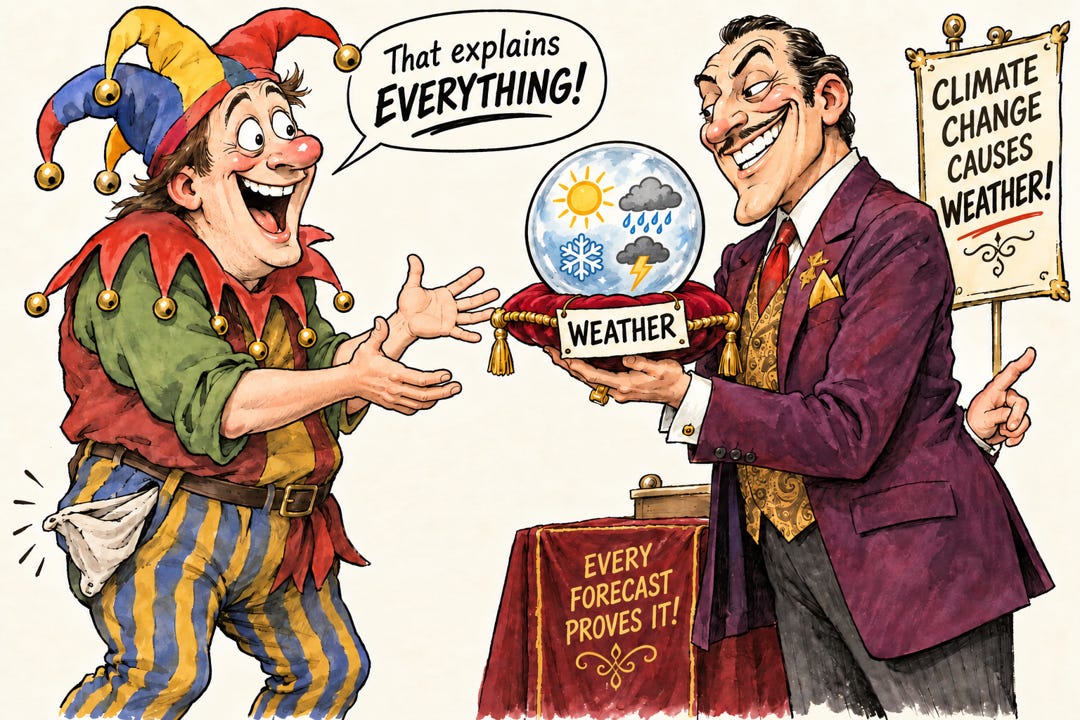
How a turnkey method attributes any trend to climate change
Taking Us for Fools
Why Papua New Guinea is so interesting
18 Sep 2026 Leave a comment
in development economics, economic history, growth disasters Tags: PNG
And this leads to the most interesting part of this story: how the highlanders were so isolated for so long. I want to acknowledge that the highlanders were not completely, hermetically sealed off from the outside world – it’s just that knowledge of outside world never actually made it to them or vice versa. Over…
Why Papua New Guinea is so interesting
Climate Doomsters Undone by Geology
18 Sep 2026 Leave a comment
in economic history, economics of climate change, energy economics, environmental economics, environmentalism, global warming Tags: climate alarmism

At American Greatness, Leslie Matthews reviews a new book by geologist Gregory Wrightstone: A Very Convenient Warming. Excerpts with my bolds and added images. Climate doomerism rests on far shakier ground than its confidence would suggest. Few books arrive with a thesis as deliberately provocative as its title. Gregory Wrightstone’s A Very Convenient Warming: How…
Climate Doomsters Undone by Geology
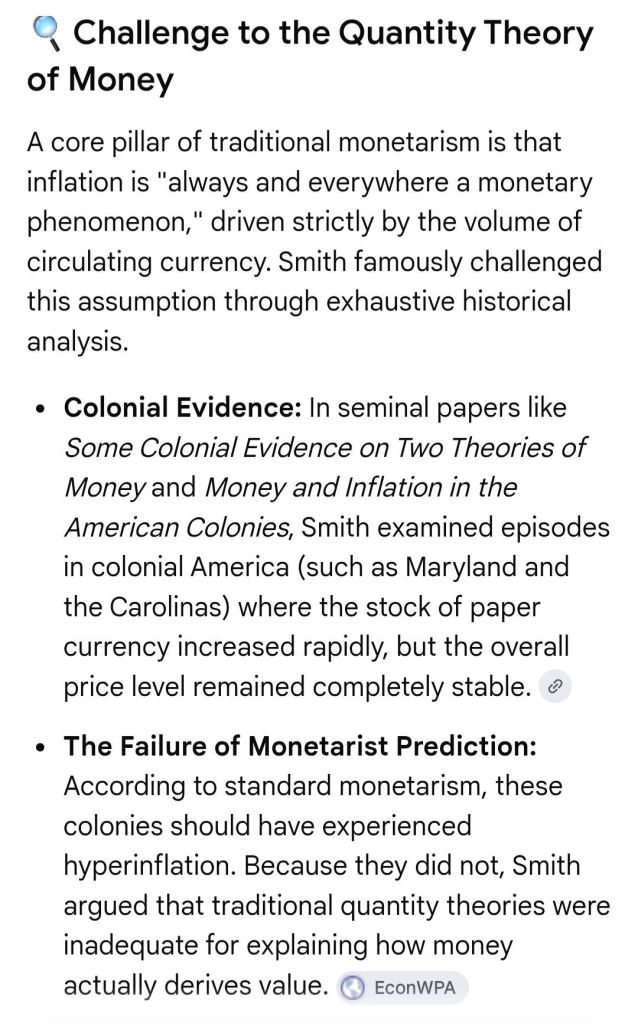
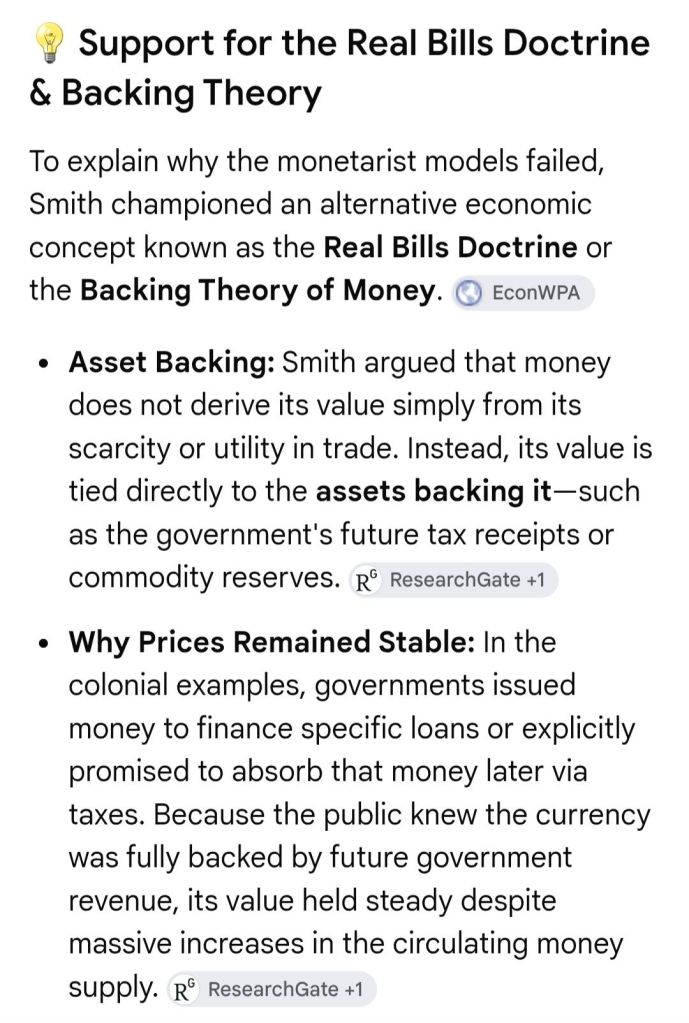
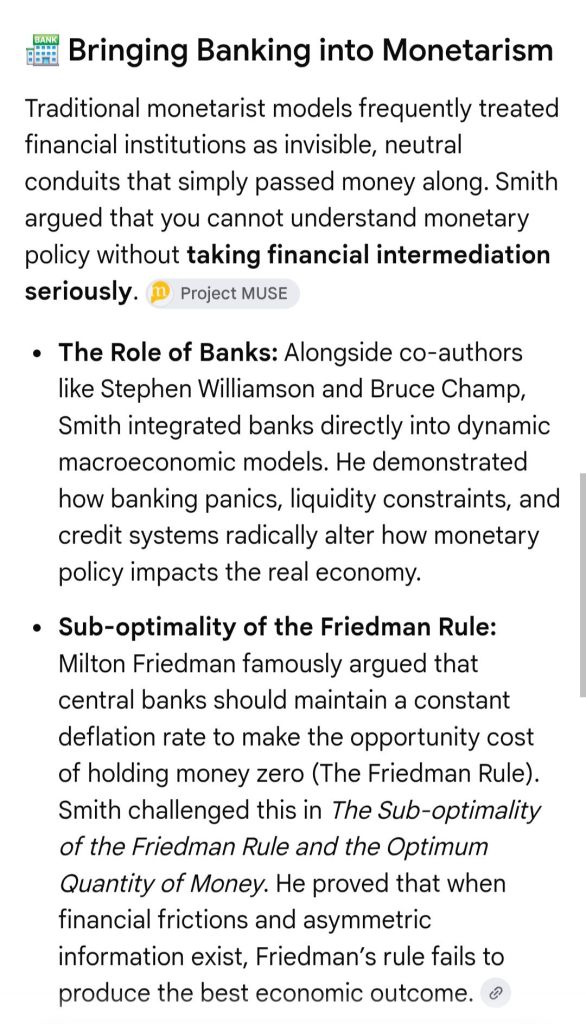
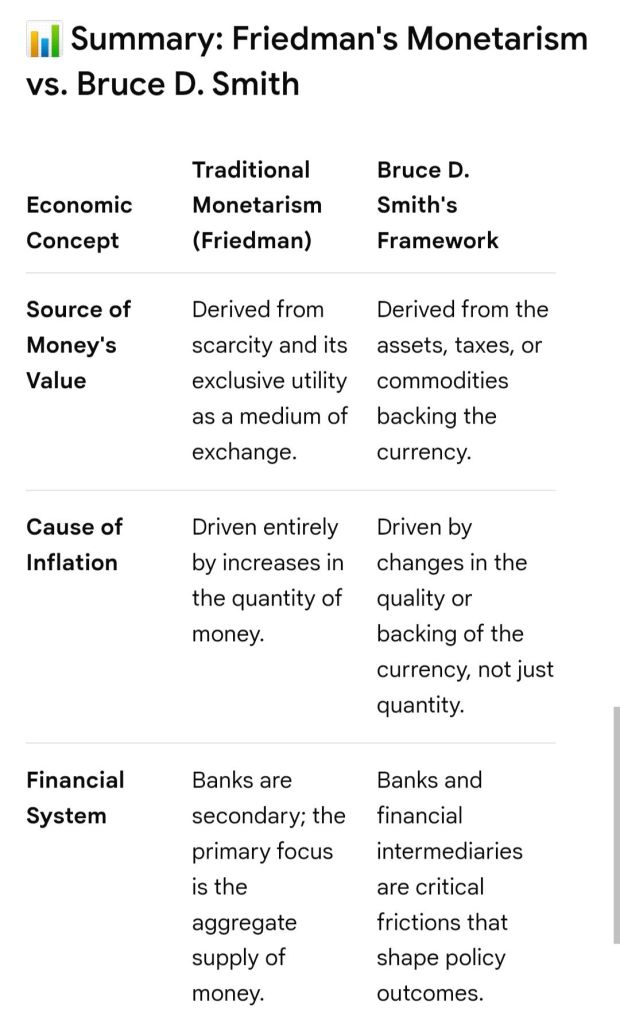
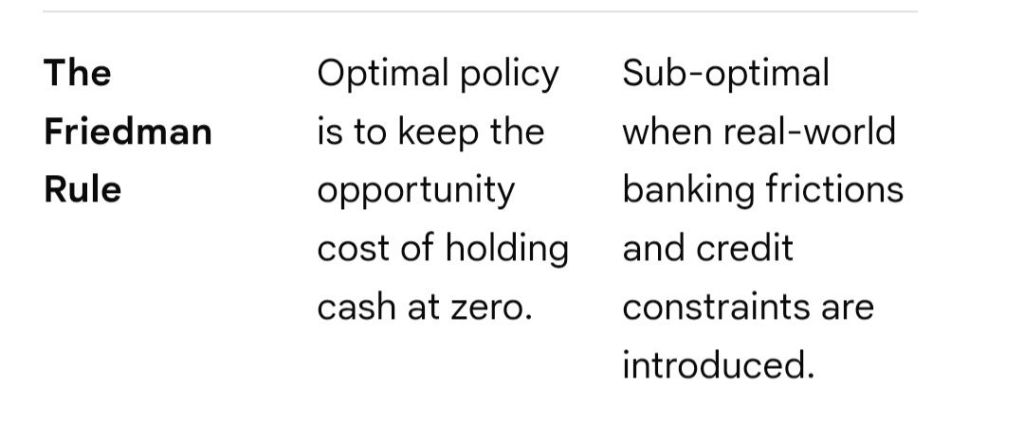
Bruce D. Smith on monetarism
18 Sep 2026 Leave a comment
in applied price theory, budget deficits, fiscal policy, history of economic thought, macroeconomics, Milton Friedman, monetarism, monetary economics Tags: monetary policy
Unity Mitford-Hitler’s groupie
18 Sep 2026 Leave a comment
in defence economics, war and peace Tags: British politics, Nazi Germany

Unity Valkyrie Freeman-Mitford (8 August 1914 – 28 May 1948) was an English socialite best known as a devotee of Adolf Hitler. Both in Britain and Germany, she was a prominent supporter of Nazism and fascism, and formed part of Hitler’s inner circle of friends.Following the declaration of World War II, Mitford attempted suicide in Munich, and was officially allowed safe […]
Unity Mitford-Hitler’s groupie
The Growth of Big Business: 1900-2020
18 Sep 2026 Leave a comment
in development economics, econometerics, economic history, entrepreneurship, industrial organisation, survivor principle Tags: creative destruction
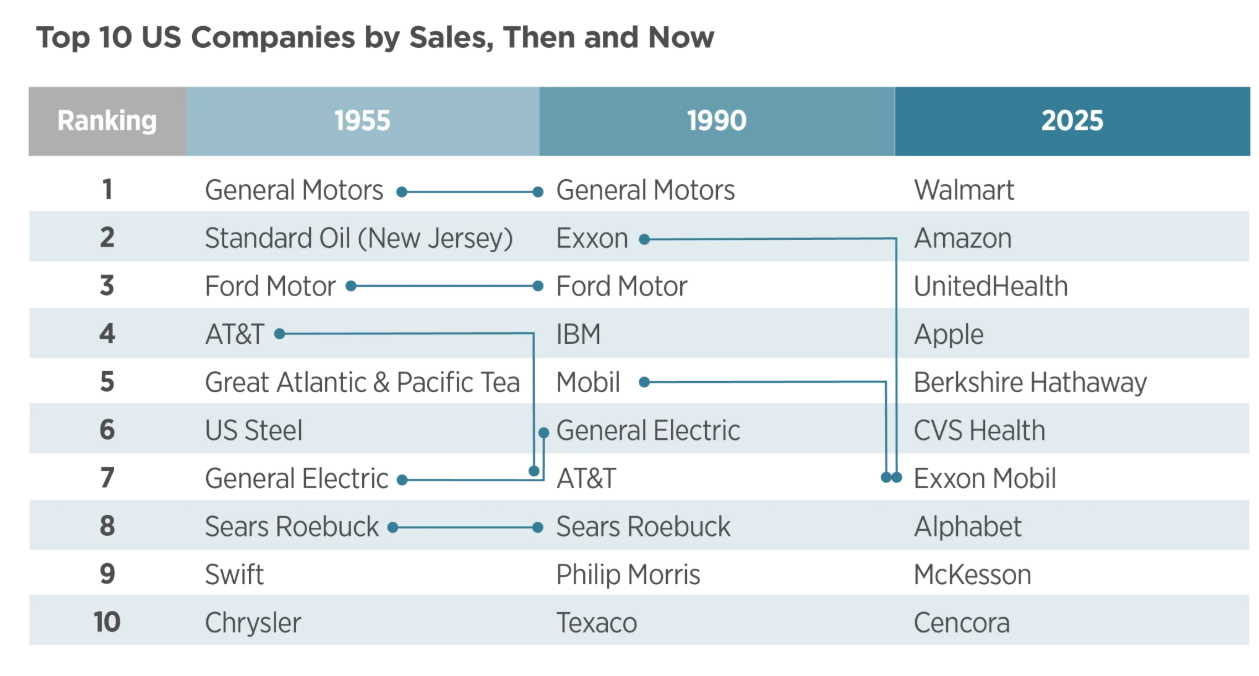
Big firms are playing a larger role in the US economy–but also in the economies of high-income countries around the world. Yueran Ma, Mengdi Zhang, and Kaspar Zimmermann compile the evidence in “Business Concentration Around the World: 1900-2020” (University of Chicago Becker-Friedman Institute for Economics, February 27, 2026, the link offers a readable overview and a followup link…
The Growth of Big Business: 1900-2020
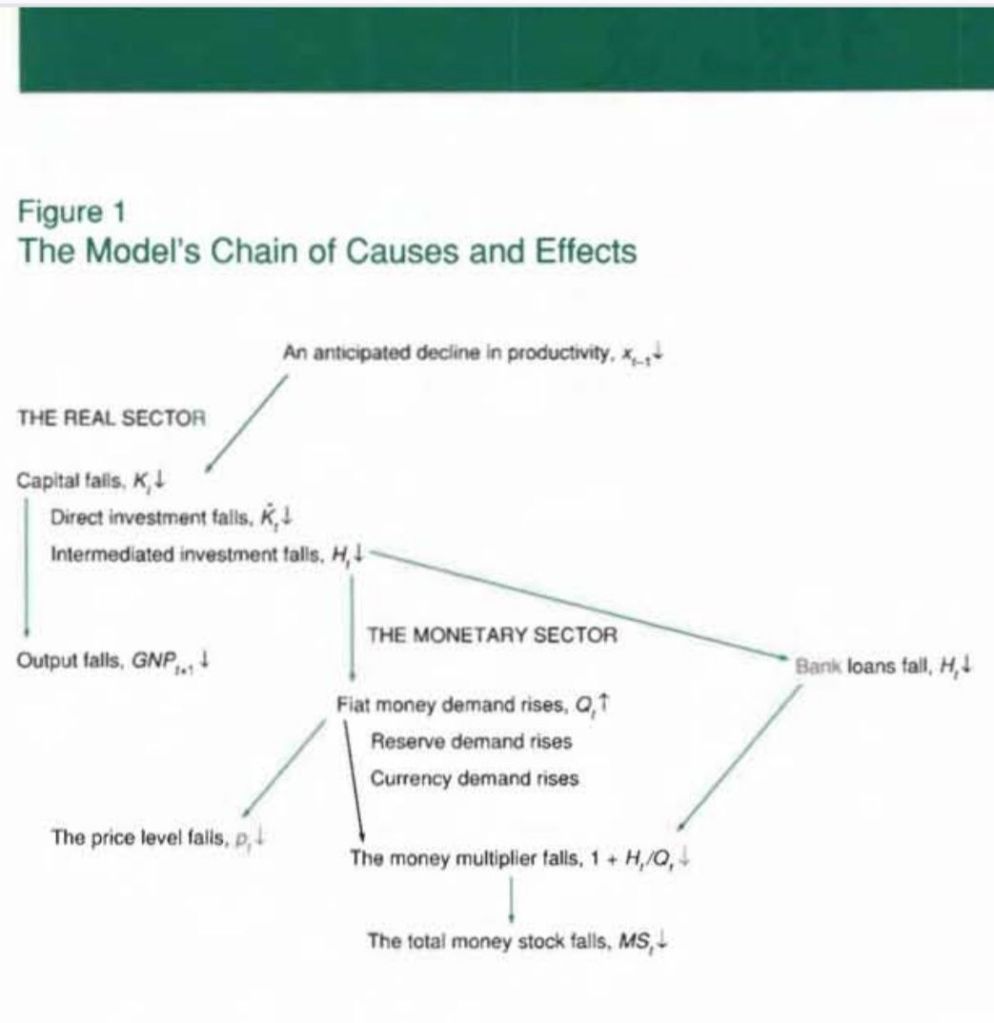
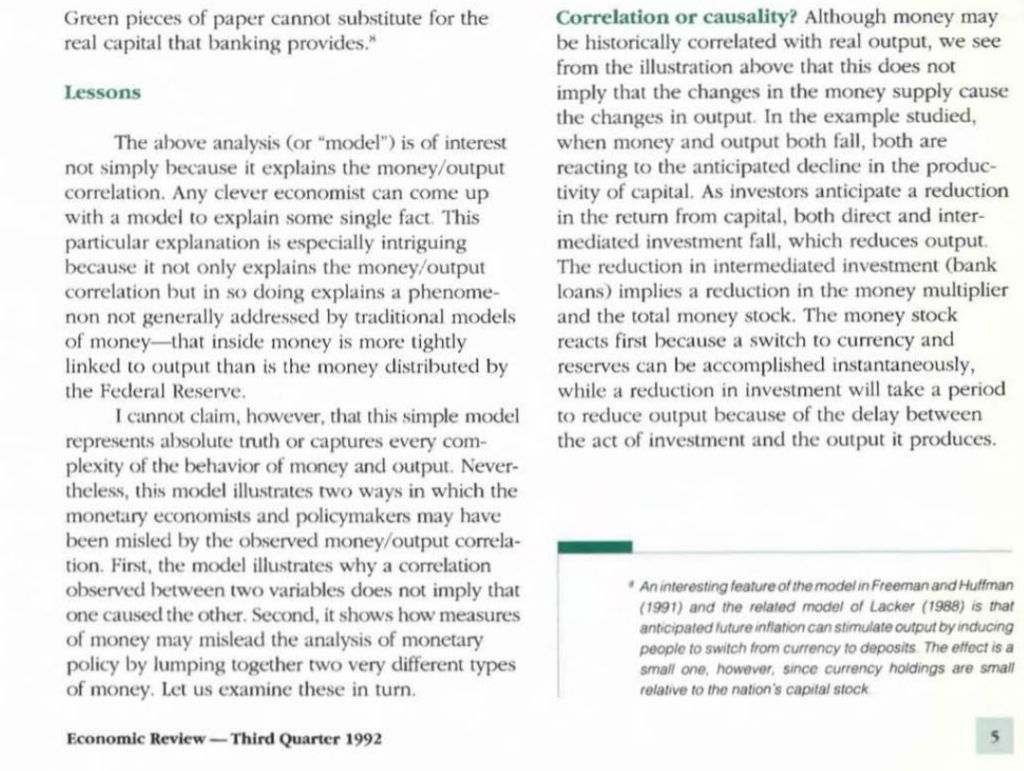
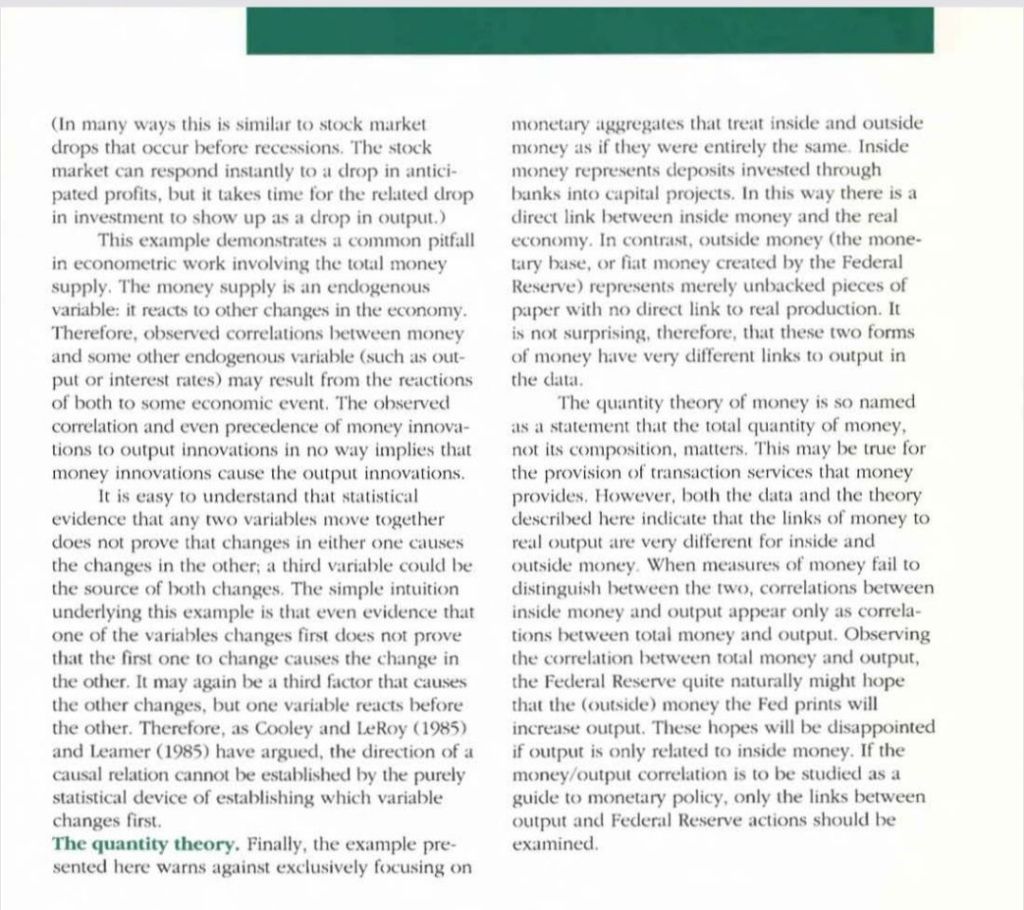
Money and Output: Correlation or Causality? Scott Freeman again
18 Sep 2026 Leave a comment
in applied price theory, business cycles, history of economic thought, macroeconomics, Milton Friedman, monetarism, monetary economics Tags: quantity theory of money
The Great Enrichment continues
17 Sep 2026 Leave a comment
in economic history, labour economics, politics - USA, poverty and inequality
Thomas Massie Just Filed 8 Articles of Impeachment Against Pete Hegseth
17 Sep 2026 Leave a comment
in defence economics, economics of crime, law and economics, laws of war, politics - USA, war and peace

The Kentucky congressman says he will force a vote on removing Hegseth, who is accused of “abusing the power of his office to ignore congressional war powers resolutions, to kidnap foreign leaders, and to intimidate critics of the Trump administration.”
Thomas Massie Just Filed 8 Articles of Impeachment Against Pete Hegseth
Can the Feds Ban You From Making Liquor in Your Own Home?
17 Sep 2026 Leave a comment
in economics of regulation, law and economics, politics - USA, property rights Tags: constitutional law

A challenge to the federal prohibition on home distilling could give the Supreme Court a chance to rein in Congress’ Commerce Clause power.
Can the Feds Ban You From Making Liquor in Your Own Home?
When Keynes Did Not Win the Nobel Peace Prize
17 Sep 2026 Leave a comment
in defence economics, economic history, history of economic thought, war and peace
On rare occasions, the Nobel Peace Prize has been given for work with direct and strong economic implications. For example, I think of the 2006 Prize given to Muhammad Yunus and Grameen Bank for their work on microfinance loans to the poor, or the 1970 prize to Norman Borlaug for his research leading to the Green Revolution…
When Keynes Did Not Win the Nobel Peace Prize


Recent Comments