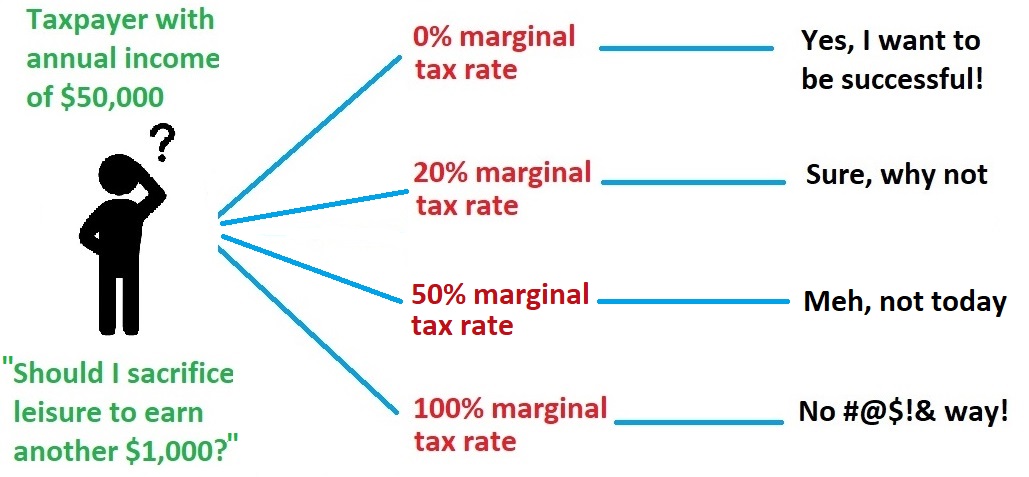
From a big-picture economic perspective, I worry most about the damage of high tax burdens on innovation, entrepreneurship, and investment. Those are things that generate enormous benefits for society, yet also things that are very sensitive to bad tax policy (specifically high marginal tax rates and the tax code’s bias against saving and investment). Sadly, […]
Economists have been thinking for a long time about the operation of buying and selling in markets. However, they have traditionally spent less time studying what happens inside a firm–a setting in which forces of supply and demand are replaced by managerial decision-making. Anyone who has had both a good boss and bad boss knows…
The exercise of US foreign policy (along with the European Union and the United Nations) has been increasingly characterized by the use (or threat) of trade sanctions. What do we know about how such sanctions work? Gabriel Felbermayr, T. Clifton Morgan, Constantinos Syropoulos, and Yoto V. Yotov review the evidence in “Economic Sanctions: Stylized Facts…
The super-rich are super-mobile. So, if a country decides to increase taxes on the super-rich (for example, with a wealth tax), some (but not all) of the super-rich will simply move elsewhere. This should not be a surprise to anyone. And yet, simplistic proposals to tax the super-rich are a favourite policy for some political…
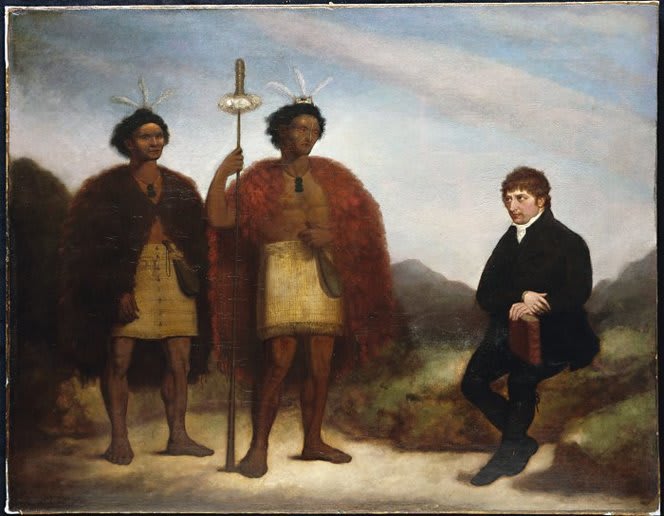
It is striking how often the loudest voices in New Zealand’s race debate come from those who have the faintest connection to being Māori. The same individuals who enjoy cushy jobs and generous salaries often exploit a sliver of Māori ancestry to advance themselves, however they spend their days decrying colonisation as if it were…
A couple of weeks ago the editor of Central Banking magazine (something of an house journal for central bankers, and for whom I’ve done book reviews for some years) invited me to write a fairly full article for a non-NZ audience on the extraordinary events of recent months. Having been so caught up in the […]
From 1990 to 2010, rising numbers of H-1B holders caused 30–50 percent of all productivity growth in the US economy. This means that the jobs and wages of most Americans depend in some measure on these workers. The specialized workers who enter on this visa fuel high-tech, high-growth sectors of the 21st century economy with skills like computer […]
In the halcyon days of 2015-19, openings on the economics job market hovered at around 1900 per year. In 2020, Covid was a major shock, but the market bounced back quickly in 2021 and 2022. Since then, though, the market has clearly been in a funk. 2023, my job market year, saw a sudden dip […]
Brian C. Joondeph writes at American Thinker, CO2 Alarmism: Science or Superstition? Excerpts in italics with my bolds and added images. When Americans hear about carbon dioxide (CO2), it’s often shown as a harmful pollutant that threatens the planet. Politicians, activists, and media outlets warn that if we don’t reduce emissions right away, disaster will […]
Labour, Greens and the media would have you believe the changes to Holidays Act are some sort of assault on workers. In fact, they generally improve things for employees. The CTU, to be fair, has been quite balanced with their comments – unlike the hysteria from Labour and Greens. The case for change is massive. […]
Here are two short (ca. 7 minutes each) clips from Friday’s “Real Time” show with Bill Maher; watch ’em before they take them down. They’re both good–and larded with humor. The first is his opening monologue about the censorship and fear of American media. Maher points out that Jimmy Kimmel’s firing occurred exactly 24 years […]
Why Evolution is True is a blog written by Jerry Coyne, centered on evolution and biology but also dealing with diverse topics like politics, culture, and cats.
In Hume’s spirit, I will attempt to serve as an ambassador from my world of economics, and help in “finding topics of conversation fit for the entertainment of rational creatures.”
“We do not believe any group of men adequate enough or wise enough to operate without scrutiny or without criticism. We know that the only way to avoid error is to detect it, that the only way to detect it is to be free to inquire. We know that in secrecy error undetected will flourish and subvert”. - J Robert Oppenheimer.


 Utopia, you are standing in it!
Recent Comments