
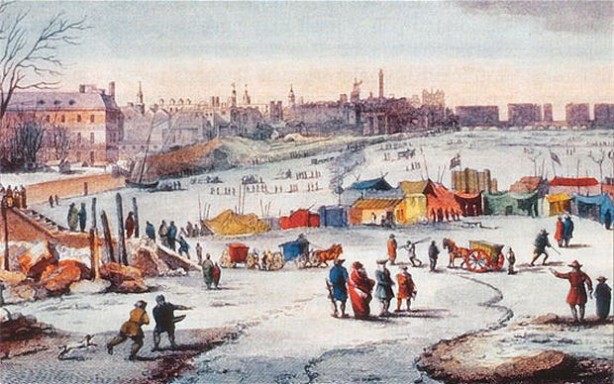
 Frost fair
Natural climate variation has always been, and still is, a fact of life, regardless of minor changes to trace gases in the atmosphere.
– – –
Extreme weather not just a modern phenomenon as study reveals how British towns experienced drastic climate during ‘Little Ice Age’
* * *
Extreme weather caused by global warming is one of the biggest threats facing the world today, claims the Daily Telegraph.
However, a research project has thrown light on the catastrophic climate shift endured by England just a few centuries ago, which brought snowstorms that lasted weeks, flooding which washed away entire villages and winds that sank flotillas of ships.
From the 1500s to the 1700s, England went through an unusually cold and stormy period, nicknamed the Little Ice Age, which was possibly caused either by reduced activity from the sun, volcanic eruptions or atmospheric changes.
View original post 137 more words






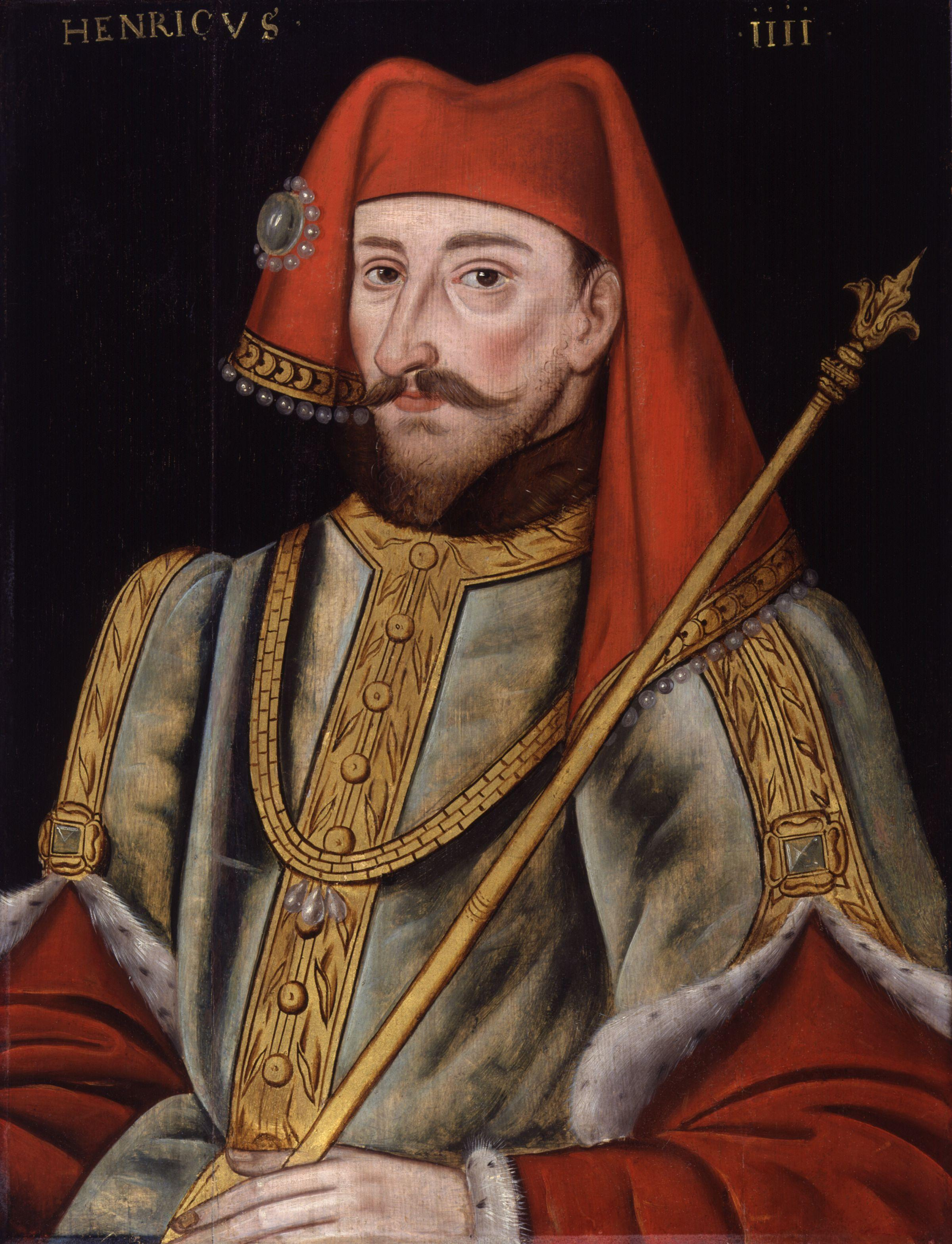 Blanche was the daughter of the wealthy royal politician and nobleman Henry, Duke of Lancaster, a member of the Plantagenet dynasty and a direct male descendant of Henry III.



Recent Comments