Stephen Machin: Changes in Labour Market Inequality
28 Sep 2021 Leave a comment
in applied price theory, economic history, economics of education, entrepreneurship, health and safety, history of economic thought, human capital, industrial organisation, labour economics, labour supply, occupational choice, poverty and inequality, survivor principle Tags: top 1%
Adventures in Energy Economics | Robert P. Murphy
28 Sep 2021 Leave a comment
in applied price theory, Austrian economics, energy economics, environmental economics, global warming
With MMP the politicians have to decide what Germany has decided
27 Sep 2021 Leave a comment

Voters in the German federal election on Sunday had the opportunity to sweep away the detritus of 16 years of compromises from retiring Chancellor Angela Merkel.
The Green party led in the opinion polls by a good margin earlier in the year. Only a few days ago, the Guardian dared to dream of a red-blooded left-wing coalition between Social Democrats, Greens and the former communist Left Party united by desire for higher taxes, more pernickety controls and a slug of anti-Americanism.
In the end, the German voters did what they have done for much of the post-war era, giving victory to the parties of the right (acknowledging that these labels seem to be less meaningful these days).
View original post 427 more words
Did the Tohunga Suppression Act undermine Māori culture and wellbeing, enabling disharmony and inequity to persist until now?
27 Sep 2021 Leave a comment
The Tohunga Suppression Act was supported by all Māori MPs and received Royal Assent on 24 September 1907. It was followed in 1908 by The Quackery Prevention Act, which banned publication of untruthful claims about medicines.

In an opinion piece We must speak out against racism the Race Relations Commissioner Meng Foon stated that “Measures such as the 1907 Tohunga Suppression Act were introduced, undermining Māori culture and wellbeing, and enabling disharmony and inequity to persist until now.” Does the evidence support this contention?
In pre-European times, tohunga were expert practitioners of rongoā Māori,the traditional Māori healing system encompassing herbal remedies, physical therapies and spiritual healing. However, European contact and migration brought new diseases and a need for new knowledge to treat them. Some tohunga continued with their traditional practices and wove European health knowledge into them. However, others did not adapt, and fraudulent “tohunga” emerged who lacked both traditional and European knowledge. As with Pākehā charlatans and “quacks”, they preyed on people’s superstitions and credulity and offered to “cure” all kinds of illnesses, often with disastrous results.
Key advocates for the Tohunga Suppression Act were…
View original post 1,096 more words
World’s Biggest Renewable Energy Battery Becomes World’s Biggest Joke
27 Sep 2021 Leave a comment

 World’s Biggest Battery: Hornsdale, South Australia
The French owners of the world’s biggest battery are being sued for simply failing to deliver the goods. When Elon Musk’s 150MW battery was hooked up to the South Australian grid, the wind and solar cult rejoiced. The meme had it that – with a few thousand more just like it, we’d soon all be running on nothing more than sunshine and breezes. Well, that was the propaganda pitch, anyway.
Back in 2017, Reefer-smoking Tesla tycoon, Elon Musk convinced South Australians to spend $150 million on a battery that could power the state for all of four minutes. Now that’s salesmanship! Even as a piece of political propaganda, it failed: then Labor Premier, Jay Weatherill touted Musk’s battery as the panacea to his state’s power woes, as he tried to cling to power in March 2018. He was duly ditched. But, Musk’s South Australian…
View original post 777 more words
The Big Takeaway from a Look at Comparative Living Standards
27 Sep 2021 Leave a comment

A very persuasive argument against Biden’s fiscal agenda is that it makes no sense to copy the fiscal policies of European welfare states.
Indeed, I routinely share this column from January, which looks at three different measures of comparative prosperity – all of which show the United States is way ahead of nations on the other side of the Atlantic Ocean.
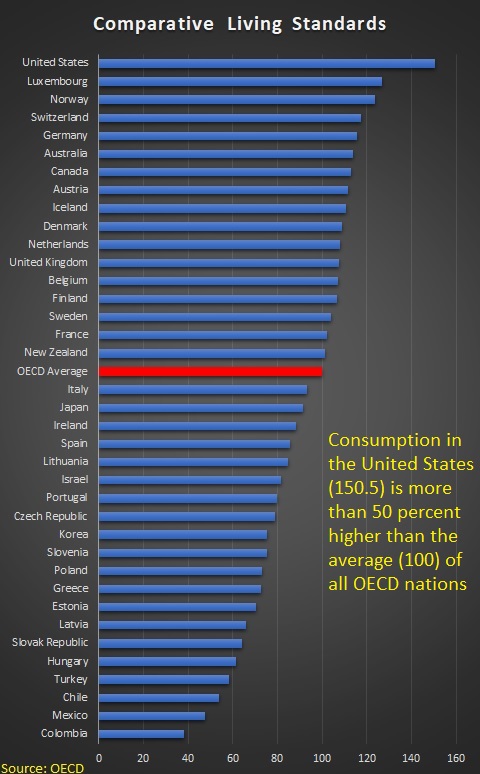
One of the three data sources is this comparison of “actual individual consumption” (AIC) in the member nations of the Organization for Economic Cooperation and Development.
We now have updated AIC numbers. Here’s a look at the OECD’s latest data. As you can see, people in the United States enjoy levels of consumption 50 percent above the average for developed nations.
The U.S. is even way ahead of oil-rich Norway and the tax havens of Luxembourg and Switzerland.
By the way, if you look at the OECD’s…
View original post 197 more words
Stephen Machin on the economics of crime 2017
27 Sep 2021 Leave a comment
in applied price theory, comparative institutional analysis, econometerics, economics of crime, economics of education, human capital, labour economics, labour supply, law and economics, occupational choice, poverty and inequality Tags: crime and punishment, criminal deterrence, law and order
David Friedman: What Anarchists Can Learn From Other Legal Systems
27 Sep 2021 Leave a comment
in applied price theory, applied welfare economics, comparative institutional analysis, constitutional political economy, David Friedman, economics of crime, history of economic thought, law and economics, property rights
How the US made affordable homes illegal
27 Sep 2021 Leave a comment
in applied price theory, applied welfare economics, comparative institutional analysis, discrimination, economic history, economics of regulation, income redistribution, law and economics, politics - USA, property rights, Public Choice, public economics, rentseeking, urban economics Tags: housing affordability, zoning
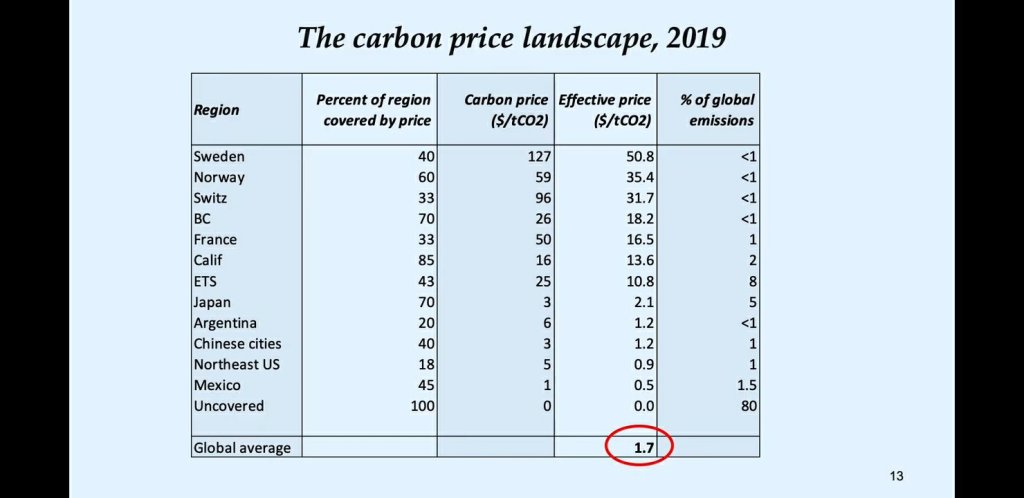
The economics of climate change by William Nordhaus 2021
27 Sep 2021 Leave a comment
in applied price theory, applied welfare economics, econometerics, energy economics, environmental economics, global warming Tags: carbon tax, carbon trading
Essential Coase: Who Was Ronald Coase?
27 Sep 2021 Leave a comment
in applied price theory, comparative institutional analysis, Ronald Coase
Why Tax Rates Matter More Than Taxes
26 Sep 2021 Leave a comment
in applied price theory, economic growth, entrepreneurship, fiscal policy, human capital, income redistribution, industrial organisation, labour economics, labour supply, macroeconomics, occupational choice, poverty and inequality, Public Choice, survivor principle Tags: taxation and entrepreneurship, taxation and investment, taxation and labour supply
David Friedman on Consequentialism, Law (and Order), Economics, Morality, and More
26 Sep 2021 Leave a comment
in applied price theory, applied welfare economics, comparative institutional analysis, constitutional political economy, David Friedman, economics of crime, history of economic thought, law and economics, property rights


Recent Comments