
What drives the gender commuting gap?
16 Oct 2020 Leave a comment
in applied price theory, applied welfare economics, discrimination, economics of education, economics of love and marriage, gender, health and safety, human capital, labour economics, labour supply, law and economics, occupational choice, transport economics Tags: gender wage gap
Future directions of research in the Coasean tradition: Sam Peltzman
16 Oct 2020 Leave a comment
in Alfred Marshall, applied price theory, applied welfare economics, comparative institutional analysis, economic history, economics of crime, economics of regulation, entrepreneurship, George Stigler, history of economic thought, industrial organisation, law and economics, property rights, Public Choice, Ronald Coase, Ronald Coase, Ronald Coase, Sam Peltzman, theory of the firm Tags: offsetting behaviour, The fatal conceit, unintended consequences
John Gibson Gibson lockdown costs Plan B weekly webinar – 12/10/2020
13 Oct 2020 Leave a comment
in applied welfare economics, econometerics, economics of bureaucracy, health economics, law and economics, politics - New Zealand, Public Choice Tags: economics of pandemics
Another reason to abolish Medsafe. Months lost duplicting far better resourced overseas drug safety agencies #COVID19
13 Oct 2020 Leave a comment
in applied welfare economics, economics of bureaucracy, economics of regulation, health economics, politics - New Zealand, Public Choice Tags: drug lags, economics of pandemics
Steven Landsburg – Why is there something instead of nothing? – September 19,2020
11 Oct 2020 Leave a comment
in applied price theory, applied welfare economics, Austrian economics, comparative institutional analysis, constitutional political economy, development economics, economic history, economics of education, entrepreneurship, environmental economics, financial economics, health economics, history of economic thought, industrial organisation, international economics, labour economics, law and economics, macroeconomics, managerial economics, market efficiency, organisational economics, personnel economics, Public Choice, public economics Tags: offsetting behaviour, pessimism bias, The Great Enrichment, unintended consequences
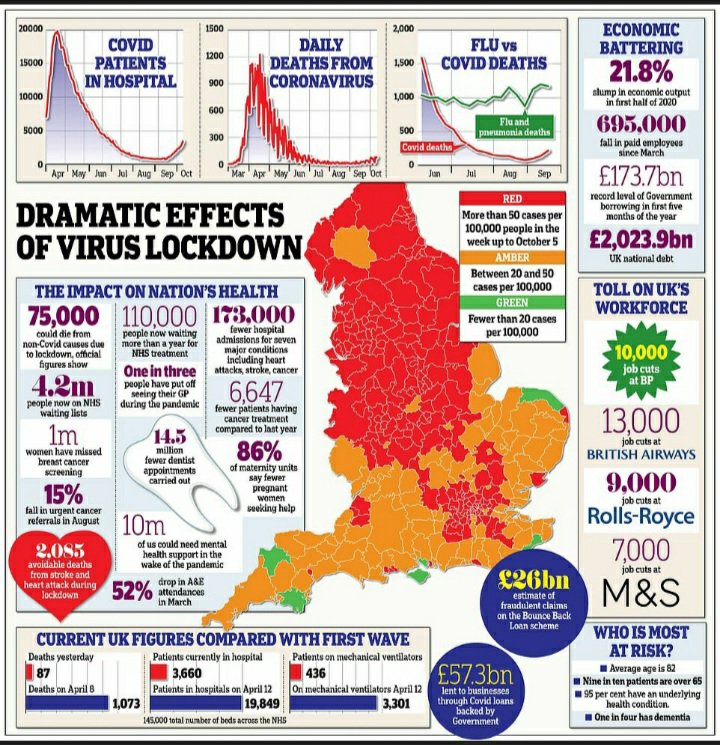
The dead are many from the #COVID19 lockdown
10 Oct 2020 Leave a comment
in applied welfare economics, health economics Tags: economics of pandemics, The fatal conceit, unintended consequences
Richard Epstein | The Case Against Reparations 2020
10 Oct 2020 Leave a comment
in applied price theory, applied welfare economics, comparative institutional analysis, constitutional political economy, economic history, income redistribution, law and economics, liberalism, libertarianism, Marxist economics, politics - USA, Public Choice, rentseeking, Richard Epstein Tags: racial discrimination
Unclear if Draconian Measures Saved Lives — John P.A. Ioannidis
06 Oct 2020 Leave a comment
in applied welfare economics, economics of bureaucracy, health economics, politics - Australia, politics - New Zealand, politics - USA, Public Choice Tags: economics of pandemics, offsetting bbehaviour, pessimism bias, The fatal conceit, unintended consequences
Econ Duel: Why Is the Rent So Damn High?
02 Oct 2020 Leave a comment
in applied price theory, applied welfare economics, economics of regulation, law and economics, property rights, transport economics, urban economics Tags: housing affordability
Economic Reform in New Zealand | Ruth Richardson
23 Sep 2020 Leave a comment
in applied price theory, applied welfare economics, comparative institutional analysis, constitutional political economy, economic growth, economic history, economics of bureaucracy, economics of education, economics of regulation, entrepreneurship, financial economics, history of economic thought, human capital, income redistribution, industrial organisation, international economics, labour economics, labour supply, law and economics, macroeconomics, Marxist economics, minimum wage, occupational choice, occupational regulation, politics - New Zealand, poverty and inequality, privatisation, property rights, Public Choice, public economics, rentseeking, survivor principle, unemployment, unions, welfare reform Tags: creative destruction, offsetting behaviour, The fatal conceit, unintended consequences
Judge Frank Easterbrook on antitrust law history
23 Sep 2020 Leave a comment
in Adam Smith, applied price theory, applied welfare economics, Austrian economics, comparative institutional analysis, economic history, economics of bureaucracy, economics of crime, economics of education, economics of information, economics of regulation, entrepreneurship, history of economic thought, industrial organisation, law and economics, politics - USA, Public Choice, rentseeking, Richard Posner, Ronald Coase, Ronald Coase, survivor principle Tags: competition and monopoly, competition law, creative destruction, offsetting behaviour, patents and copyright, The fatal conceit, The meaning of competition, unintended consequences

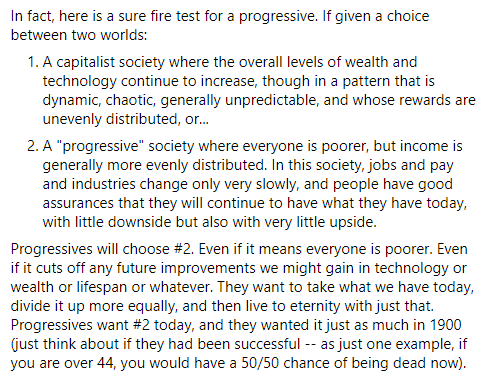
What would @AOC @oxfam @Greenpeace @berniesanders @Greens @NZGreens choose?
15 Sep 2020 Leave a comment
in applied welfare economics, comparative institutional analysis, constitutional political economy, development economics, economic growth, economic history, economics of bureaucracy, economics of regulation, entrepreneurship, growth disasters, growth miracles, health economics, history of economic thought, human capital, income redistribution, industrial organisation, Joseph Schumpeter, labour economics, labour supply, law and economics, liberalism, libertarianism, macroeconomics, Marxist economics, minimum wage, occupational choice, occupational regulation, politics - Australia, politics - New Zealand, politics - USA, poverty and inequality, property rights, Public Choice, public economics, rentseeking, survivor principle, unemployment, unions Tags: The fatel conceit, The Great Enrichment

 Utopia, you are standing in it!
Recent Comments