
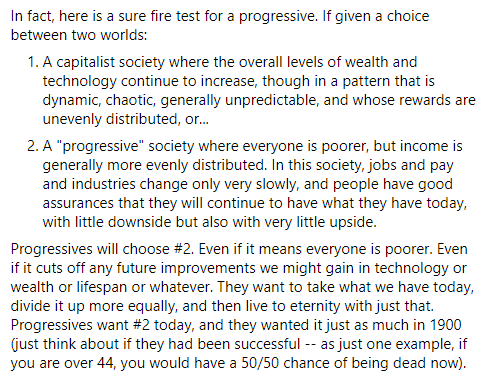
What would @AOC @oxfam @Greenpeace @berniesanders @Greens @NZGreens choose?
15 Sep 2020 Leave a comment
in applied welfare economics, comparative institutional analysis, constitutional political economy, development economics, economic growth, economic history, economics of bureaucracy, economics of regulation, entrepreneurship, growth disasters, growth miracles, health economics, history of economic thought, human capital, income redistribution, industrial organisation, Joseph Schumpeter, labour economics, labour supply, law and economics, liberalism, libertarianism, macroeconomics, Marxist economics, minimum wage, occupational choice, occupational regulation, politics - Australia, politics - New Zealand, politics - USA, poverty and inequality, property rights, Public Choice, public economics, rentseeking, survivor principle, unemployment, unions Tags: The fatel conceit, The Great Enrichment

Why conspiracy theories are rational to believe
12 Sep 2020 Leave a comment
in applied price theory, applied welfare economics, behavioural economics, comparative institutional analysis, economics of education, economics of information, economics of media and culture, politics - Australia, politics - New Zealand, politics - USA, Public Choice Tags: cognitive psychology, conspiracy theorists, political psychology
Fiat Value in the theory of value – an ADEMU lecture by Edward C Prescott
12 Sep 2020 Leave a comment
in applied price theory, applied welfare economics, business cycles, econometerics, economic growth, economic history, economics of regulation, Edward Prescott, fiscal policy, fisheries economics, industrial organisation, labour economics, labour supply, macroeconomics, monetary economics Tags: real business cycles
Discrimination at Harvard? | Glenn Loury & Peter Arcidiacono [The Glenn Show]
11 Sep 2020 Leave a comment
in applied price theory, applied welfare economics, discrimination, economics of bureaucracy, economics of education, economics of information, human capital, income redistribution, labour economics, labour supply, law and economics, occupational choice, politics - USA, poverty and inequality, Public Choice, public economics, rentseeking Tags: affirmative action, racial discrimination
3rd. Global Conference Business Cycles – Edward C Prescott
10 Sep 2020 Leave a comment
in applied price theory, applied welfare economics, budget deficits, business cycles, comparative institutional analysis, development economics, economic growth, economic history, economics of regulation, Edward Prescott, entrepreneurship, Euro crisis, financial economics, fiscal policy, global financial crisis (GFC), great depression, great recession, growth disasters, growth miracles, history of economic thought, industrial organisation, international economics, labour economics, labour supply, macroeconomics, monetarism, monetary economics, public economics, unemployment Tags: real business cycles
Richard Sander on affirmative action and education mismatch
06 Sep 2020 Leave a comment
in applied price theory, applied welfare economics, discrimination, economics of bureaucracy, economics of education, gender, human capital, income redistribution, labour economics, labour supply, law and economics, occupational choice, politics - USA, poverty and inequality, Public Choice, rentseeking Tags: affirmative action, offsetting behaviour, racial discrimination, regressive left, sex discrimination, The fatal conceit, unintended consequences
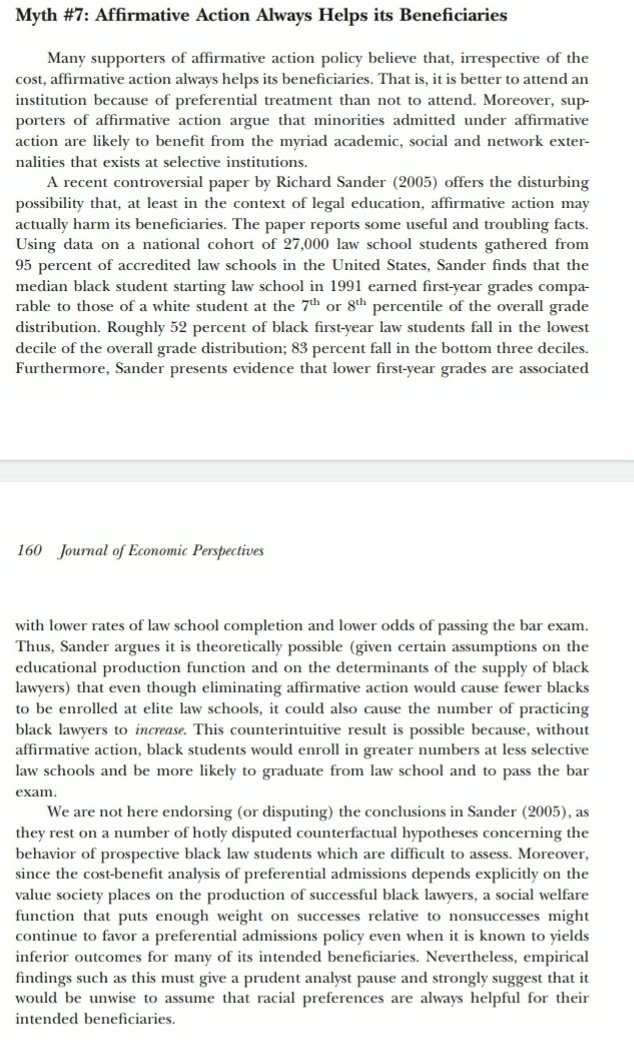
Affirmative Action and Its Mythology – Fryer and Loury
06 Sep 2020 Leave a comment
in applied price theory, applied welfare economics, discrimination, economics of bureaucracy, economics of education, human capital, income redistribution, labour economics, labour supply, occupational choice, politics - USA, poverty and inequality, Public Choice, rentseeking Tags: affirmative action, political correctness, racial discrimination, regressive left, sex discrimination
INCU Global Conference 2014 – Thomas J. Sargent – Keynote Address on the effects of opening borders
02 Sep 2020 Leave a comment
in applied price theory, applied welfare economics, budget deficits, business cycles, comparative institutional analysis, constitutional political economy, currency unions, econometerics, economic history, economics of bureaucracy, economics of regulation, entrepreneurship, financial economics, fiscal policy, growth disasters, growth miracles, history of economic thought, human capital, income redistribution, industrial organisation, international economic law, international economics, International law, labour economics, labour supply, law and economics, macroeconomics, politics - Australia, politics - New Zealand, politics - USA, poverty and inequality, property rights, Public Choice, rentseeking, survivor principle, transport economics, unemployment Tags: custom unions, free trade, tariffs
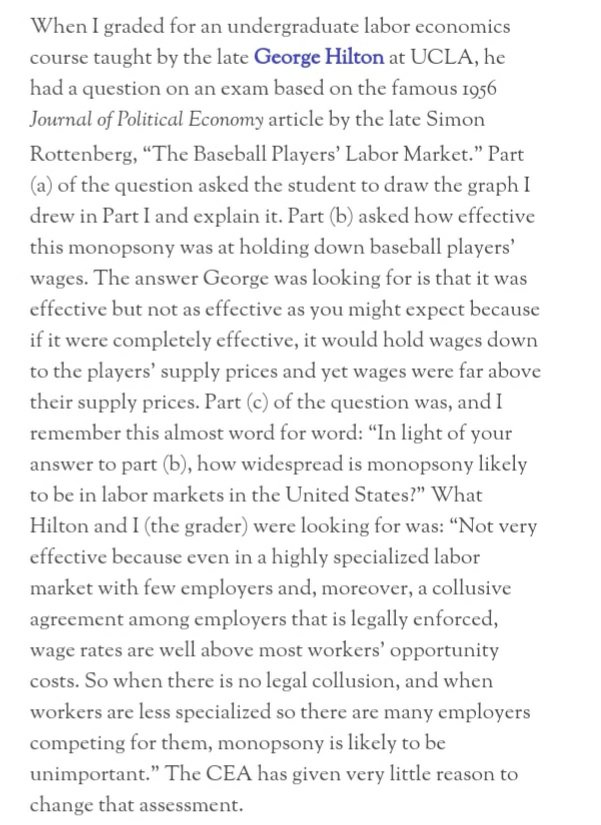
David Henderson on Monopsony
02 Sep 2020 Leave a comment
in applied price theory, applied welfare economics, Austrian economics, discrimination, econometerics, economic history, history of economic thought, income redistribution, labour economics, labour supply, law and economics, minimum wage, occupational choice, poverty and inequality, Public Choice, rentseeking, sports economics Tags: inequality of bargaining power, monopsony
Thomas Schelling on #globalwarming, 2005
01 Sep 2020 Leave a comment
in applied welfare economics, development economics, economic history, economics of natural disasters, economics of regulation, energy economics, environmental economics, global warming, Thomas Schelling Tags: climate alarmists, pessimism bias
Exploring Liberty, Part 5: The Machinery of Freedom
28 Aug 2020 Leave a comment
in applied welfare economics, comparative institutional analysis, constitutional political economy, David Friedman, defence economics, economic history, economics of bureaucracy, economics of crime, economics of regulation, environmental economics, history of economic thought, income redistribution, law and economics, liberalism, libertarianism, property rights, Public Choice, public economics, rentseeking Tags: economics of anarchy


Recent Comments