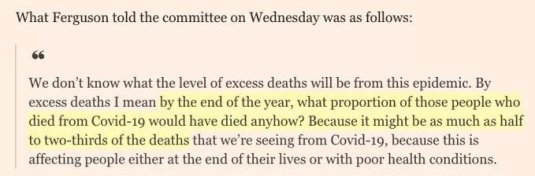
#COVID19 tradeoffs
18 Apr 2020 Leave a comment
in applied welfare economics, econometerics, economics of information, economics of regulation, health economics, politics - Australia, politics - New Zealand, politics - USA Tags: economics of pandemics
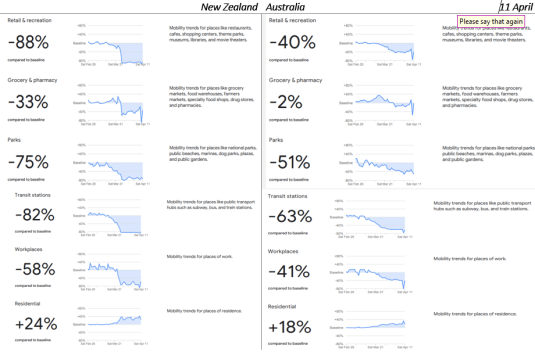
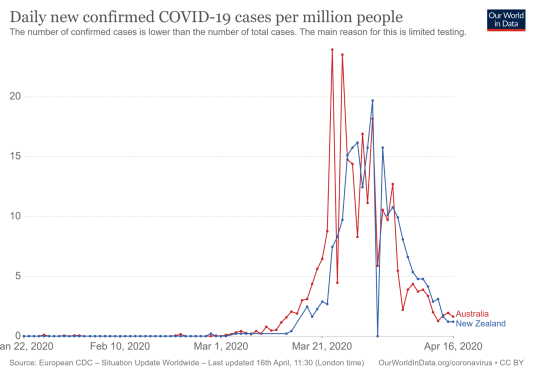
Did NZ panic? Locked-down twice as hard as Oz for same #COVID19 caseload 14 days later
17 Apr 2020 Leave a comment
in applied welfare economics, health economics, politics - Australia, politics - New Zealand
How Sweden is Responding to the Coronavirus – Johan Norberg
17 Apr 2020 Leave a comment
in applied welfare economics, comparative institutional analysis, economics of information, health economics Tags: economics of pandemics
Lockdowns 5 April Oz and NZ: Same flattening of #COVID19 curve 10 days later, vastly different economic costs
16 Apr 2020 Leave a comment
in applied welfare economics, economic growth, health economics, politics - Australia, politics - New Zealand
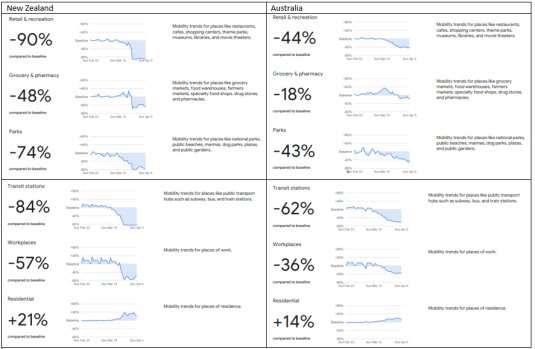
From https://www.google.com/covid19/mobility/
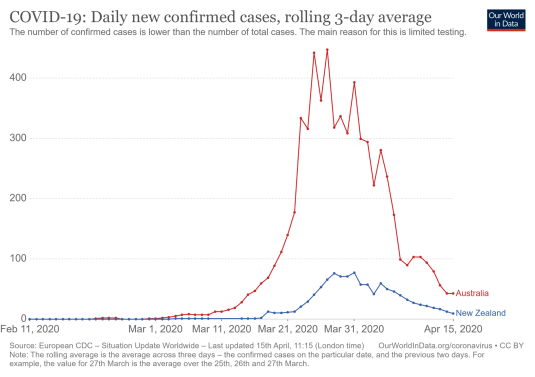
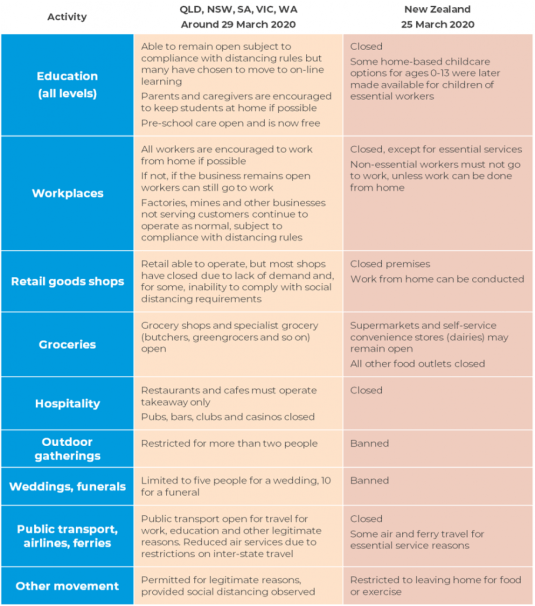
From https://castalia-advisors.com/comparing-the-new-zealand-and-australian-states-responses-to-covid-19/
Angus Deaton on what COVID-19 means for inequality and ‘Deaths of Despair’
14 Apr 2020 Leave a comment
in applied welfare economics, economic history, human capital, labour economics, labour supply, occupational choice, poverty and inequality Tags: child poverty, family poverty
David K. Levine is Against Intellectual Monopoly
12 Apr 2020 Leave a comment
in applied price theory, applied welfare economics, comparative institutional analysis, economic history, entrepreneurship, history of economic thought, industrial organisation, law and economics, Ronald Coase Tags: patents and copyright
Tyler Cowen on the social and political implications of #COVID19
11 Apr 2020 Leave a comment
in applied price theory, applied welfare economics, business cycles, comparative institutional analysis, economic growth, economic history, economics of bureaucracy, economics of natural disasters, health and safety, health economics, income redistribution, labour economics, labour supply, law and economics, macroeconomics, Public Choice, rentseeking Tags: economics of pandemics
Coronavirus: Do socialists understand socialism?
29 Mar 2020 Leave a comment
in applied price theory, applied welfare economics, Austrian economics, comparative institutional analysis, constitutional political economy, development economics, economic history, economics of bureaucracy, economics of information, economics of regulation, entrepreneurship, growth disasters, growth miracles, income redistribution, industrial organisation, law and economics, liberalism, libertarianism, Marxist economics, Public Choice, public economics, rentseeking, survivor principle Tags: economics of pandemics
The payoff of avoiding a #COVID19 pandemic
24 Mar 2020 Leave a comment
in applied welfare economics, economics of natural disasters, health economics, macroeconomics

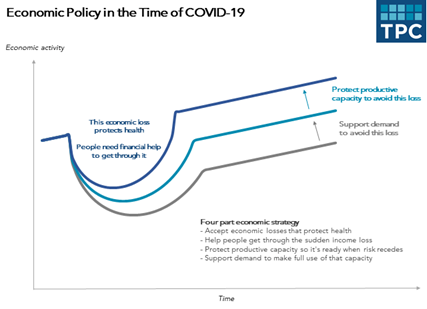
The positive productivity shock from current government borrowing en masse
23 Mar 2020 Leave a comment
in applied welfare economics, fiscal policy, health economics, macroeconomics, public economics
James Buchanan on economic advisors as establishment intellectuals
21 Mar 2020 Leave a comment
in applied welfare economics, constitutional political economy, economics of bureaucracy, economics of education, James Buchanan, Public Choice
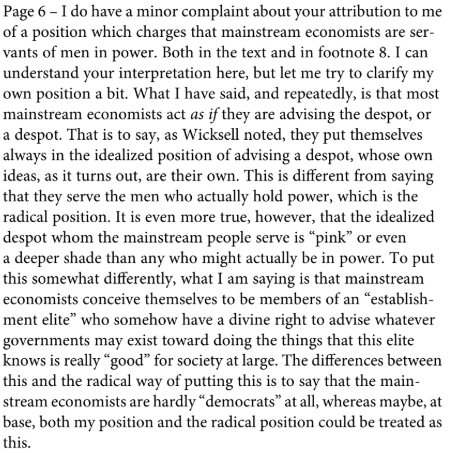
From https://books.google.co.nz/books?id=92xzxQEACAAJ&pg=PA3&source=gbs_toc_r&cad=3#v=onepage&q&f=false
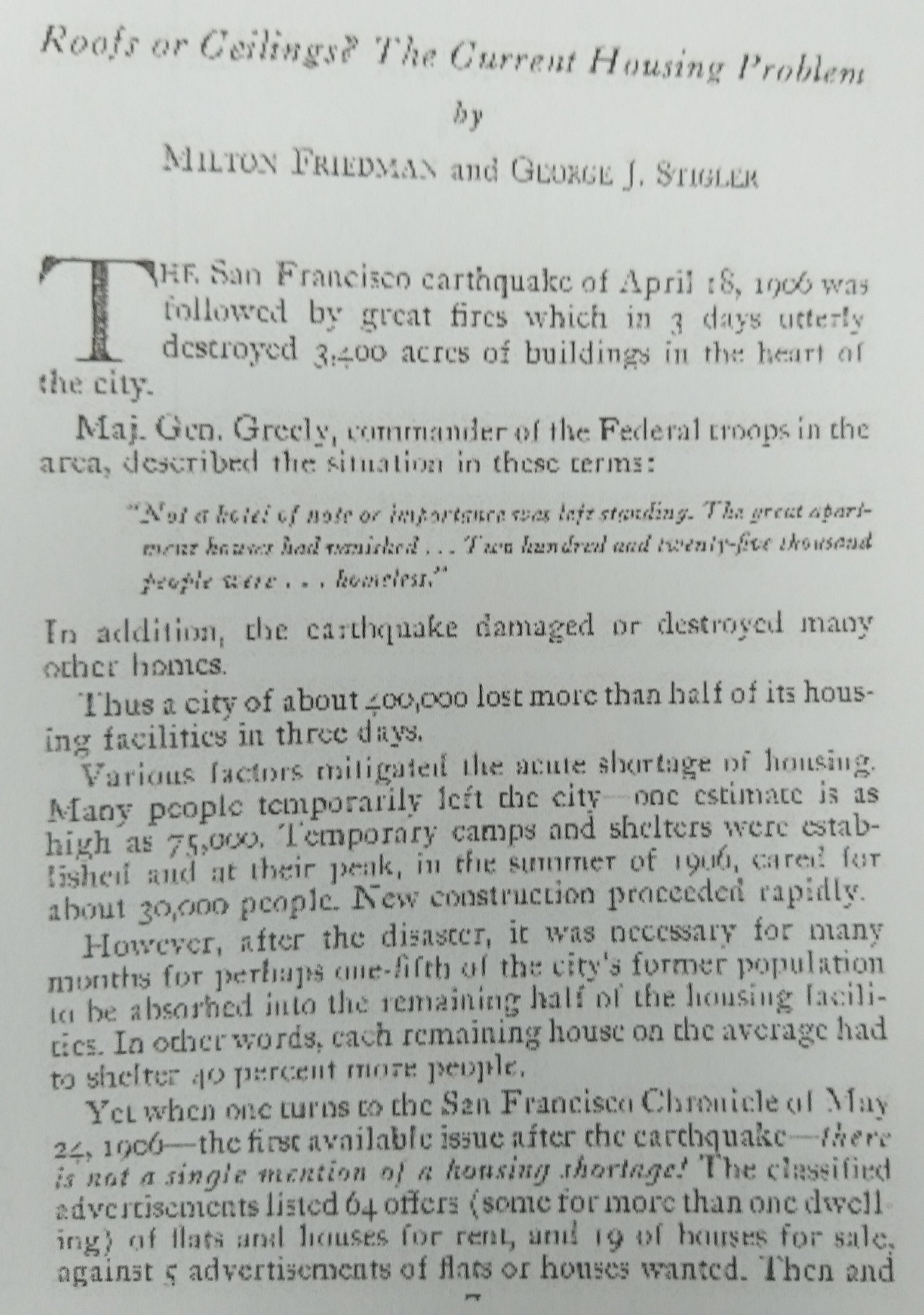
James Buchanan on highly undemocratic Arrow’s Impossibility Theorem
19 Mar 2020 Leave a comment
in applied welfare economics, constitutional political economy, history of economic thought, James Buchanan, Public Choice
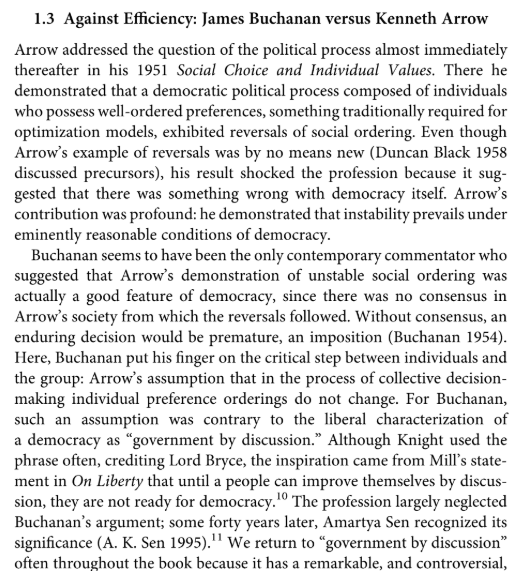
From https://books.google.co.nz/books?id=92xzxQEACAAJ&pg=PA3&source=gbs_toc_r&cad=3#v=onepage&q&f=false
.@Bryan_Caplan’s best presentation of the case against education
18 Mar 2020 Leave a comment
in applied price theory, applied welfare economics, comparative institutional analysis, economics of education, economics of information, history of economic thought, human capital, income redistribution, industrial organisation, labour economics, labour supply, managerial economics, occupational choice, organisational economics, personnel economics, Public Choice, public economics, rentseeking, survivor principle Tags: adverse selection, asymmetric information, College premium, graduate premium, screening, self-selection, signaling


Recent Comments