
Even small minimum wage increase have ambiguous employment effects under monopsonistic competition
16 Jul 2019 Leave a comment
in applied price theory, applied welfare economics, industrial organisation, labour economics, labour supply, minimum wage, politics - New Zealand, politics - USA, survivor principle Tags: offsetting behaviour, The fatal conceit, unintended consequences
Policy Briefs: Edward Lazear On How To Reduce Income Inequality
12 Jul 2019 Leave a comment
in applied price theory, applied welfare economics, economics of education, economics of regulation, entrepreneurship, human capital, industrial organisation, labour economics, labour supply, occupational choice, occupational regulation, poverty and inequality, welfare reform Tags: child poverty, family poverty
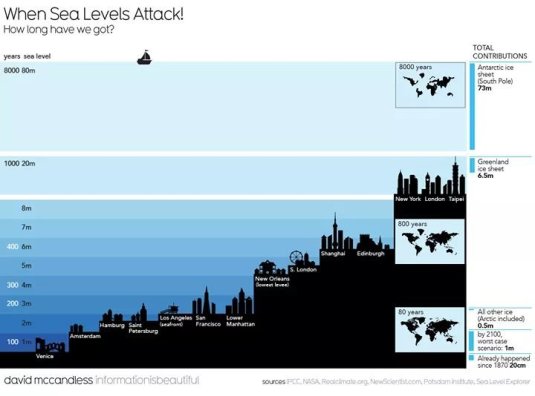
Note time scale and implications for discounted cost of mitigation and adaptation. How much occurs after we are zipping around Star Trek style except for Cubans or North Koreans
09 Jul 2019 Leave a comment
in applied welfare economics, energy economics, environmental economics, global warming Tags: climate alarmism
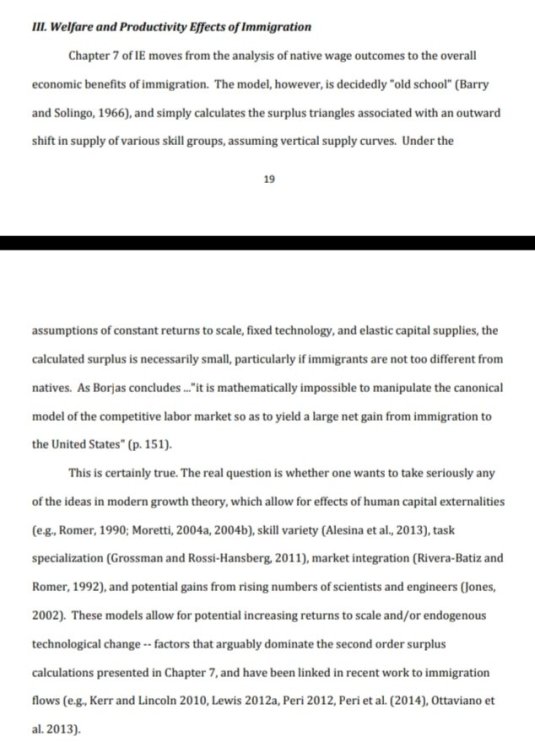
David Card on George Borjas and immigration
05 Jul 2019 Leave a comment
in applied price theory, applied welfare economics, labour economics, labour supply, politics - USA Tags: economics of immigration, endogenous growth theory
@OECD via @GarethShute @TheSpinoffTV show how small the cost of #globalwarming will be. GDP will several fold larger in 2100 so roll with the punches is best policy
05 Jul 2019 Leave a comment
in applied welfare economics, development economics, energy economics, environmental economics, global warming, politics - New Zealand Tags: climate alarmism


Thomas J. Sargent – Keynote Address on effects of open borders
30 Jun 2019 Leave a comment
in applied price theory, applied welfare economics, comparative institutional analysis, development economics, economic history, history of economic thought, industrial organisation, international economics, macroeconomics Tags: free trade

Foundations of Immigration Reform with Edward P. Lazear: Perspectives on Policy
29 Jun 2019 Leave a comment
in applied price theory, applied welfare economics, comparative institutional analysis, economic history, economics of education, economics of regulation, international economic law, international economics, labour economics, labour supply, public economics Tags: economics of immigration
Free Market Environmentalism with Terry Anderson: Perspectives on Policy
27 Jun 2019 Leave a comment
in applied price theory, applied welfare economics, Austrian economics, comparative institutional analysis, economic history, economics of bureaucracy, energy economics, entrepreneurship, environmental economics, fisheries economics, global warming, income redistribution, industrial organisation, law and economics, property rights, Public Choice, rentseeking, survivor principle Tags: common property, tragedy of the commons
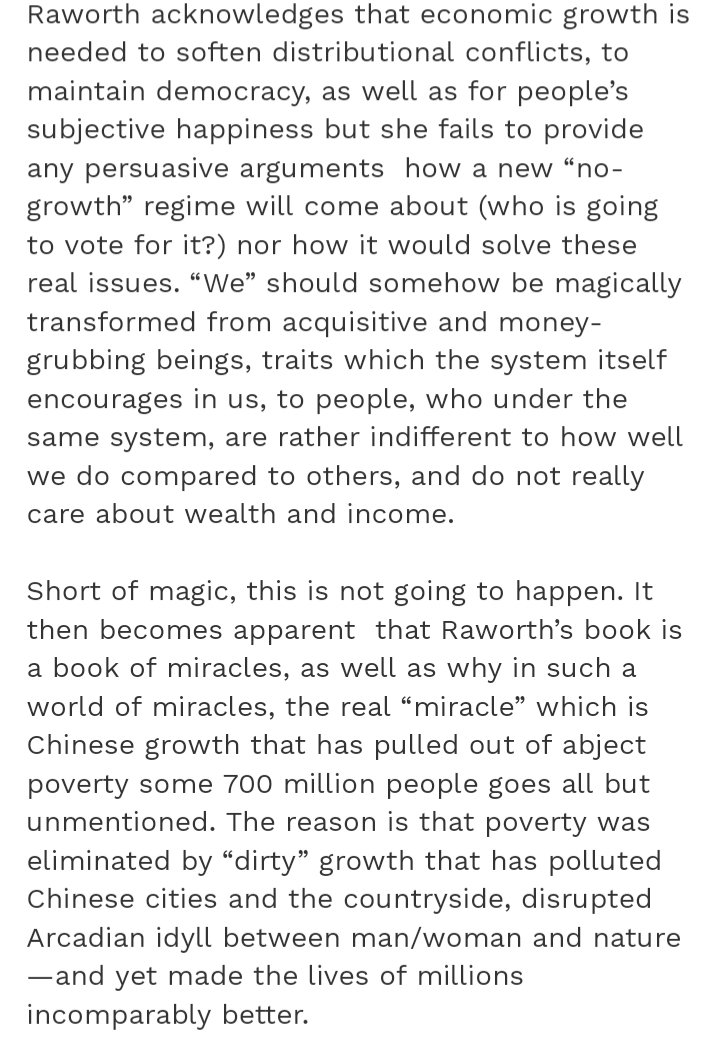
Branko Milanovic explains why Doughnut Economics is magical thinking
27 Jun 2019 Leave a comment
in applied price theory, applied welfare economics, comparative institutional analysis, development economics, economic history, environmental economics, growth disasters, growth miracles, income redistribution, international economics, law and economics, Marxist economics, Public Choice Tags: anti-market bias, Green fascism, pessimism bias
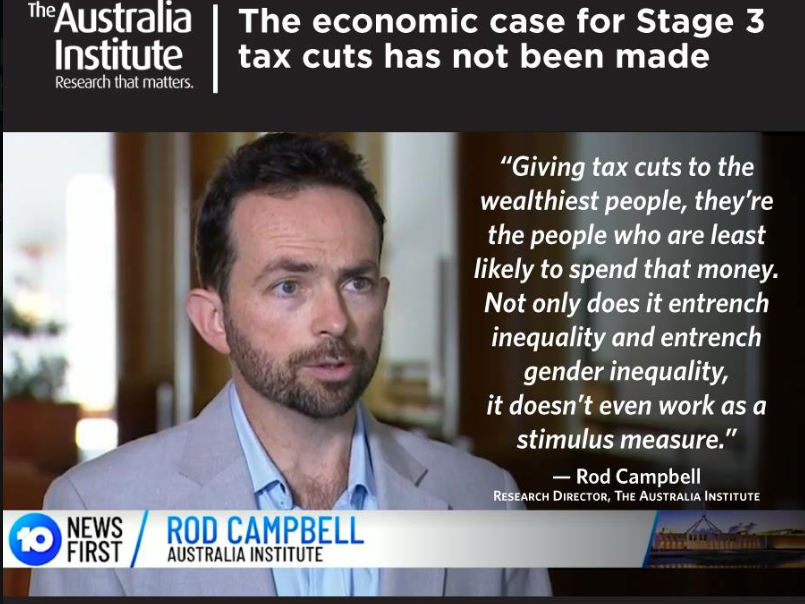
Vulgar Keynesian @TheAusInstitute concedes top tax rate is mostly on savings, which means high marginal deadweight cost of income taxes
24 Jun 2019 Leave a comment
in applied welfare economics, politics - Australia, public economics
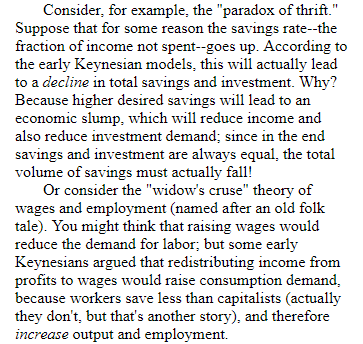
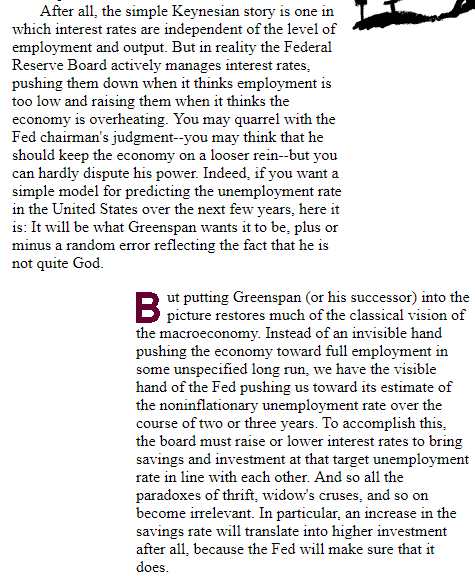
From http://web.mit.edu/krugman/www/vulgar.html
Vulgar Keynesians A penny spent is not a penny earned? By Paul Krugman 1997
Inequality, Productivity Stagnation and Moore’s Law | Tyler Cowen
21 Jun 2019 Leave a comment
in applied welfare economics, economic history, economics of information, economics of regulation, financial economics, human capital, industrial organisation, labour economics, labour supply, occupational choice, poverty and inequality Tags: superstar wages, top 1%
Steven N.S. Cheung on comparative institutional analysis
21 Jun 2019 Leave a comment
in applied price theory, applied welfare economics, comparative institutional analysis, economics of information, economics of regulation, history of economic thought, industrial organisation, law and economics, property rights Tags: government failure, market failure, transaction costs

The Numbers Game: The Paradox of Household Income
19 Jun 2019 Leave a comment
in applied price theory, applied welfare economics, discrimination, economic history, economics of education, human capital, income redistribution, labour economics, labour supply, occupational choice, politics - USA, poverty and inequality, Public Choice, public economics, unemployment, welfare reform Tags: child poverty, family poverty
 Utopia, you are standing in it!
Recent Comments