Seinfeld Economics: The Shower Head (black markets)
07 Sep 2016 Leave a comment
in applied price theory, applied welfare economics, comparative institutional analysis, economics, economics of media and culture, environmental economics, environmentalism, television Tags: black markets, nanny state, offsetting behaviour, Seinfeld, The fatal conceit, water economics
20 Years Ago, Welfare Reform Was Signed Into Law
07 Sep 2016 Leave a comment
in applied price theory, applied welfare economics, comparative institutional analysis, economic history, labour economics, labour supply, politics - USA Tags: 1996 US welfare reforms
Fast Car – Tracy Chapman: the trap of intergenerational poverty
06 Sep 2016 Leave a comment
in applied price theory, applied welfare economics, economics of media and culture, labour economics, poverty and inequality Tags: child poverty, family poverty, intergenerational poverty, Tracey Chapman
#Seinfeld: The Apartment (#RentControl) @Maori_Party @FoxMarama
06 Sep 2016 Leave a comment
in applied price theory, applied welfare economics, economics of regulation, television Tags: rent control, Seinfeld
David Friedman on “Future Imperfect”
02 Sep 2016 Leave a comment
in applied welfare economics, comparative institutional analysis, David Friedman, economics, law and economics
Poverty in America after 20 years of welfare reform
01 Sep 2016 Leave a comment
in applied welfare economics, economic history, labour economics, politics - USA, welfare reform Tags: 1996 US welfare reforms, child poverty, family poverty, single mothers, single parents, social insurance, welfare state
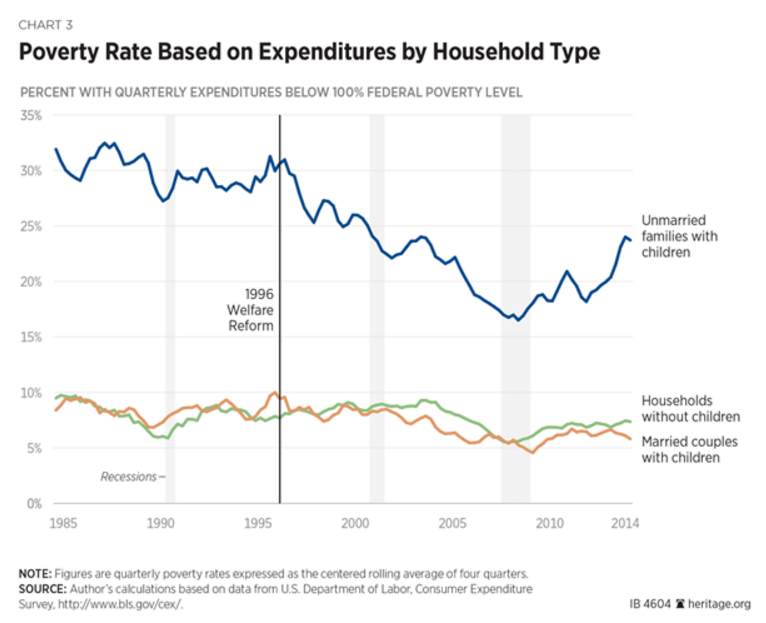
Source: Did Welfare Reform Increase Extreme Poverty in the United States?
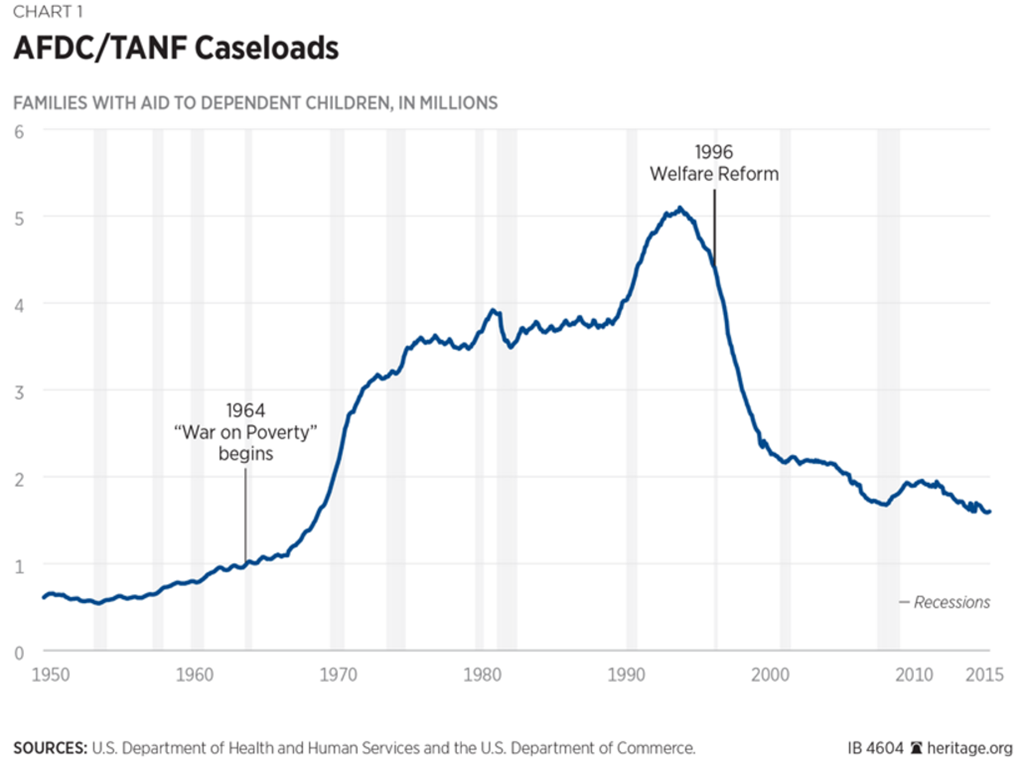
Source: Did Welfare Reform Increase Extreme Poverty in the United States?
On choosing the Bourgeois Deal behind the veil of ignorance
29 Aug 2016 Leave a comment
in applied welfare economics, comparative institutional analysis, constitutional political economy, development economics, economic history, growth disasters, growth miracles, Rawls and Nozick Tags: Deirdre McCloskey, social contract, The Great Enrichment, The Great Escape, The Great Fact, veil of ignorance
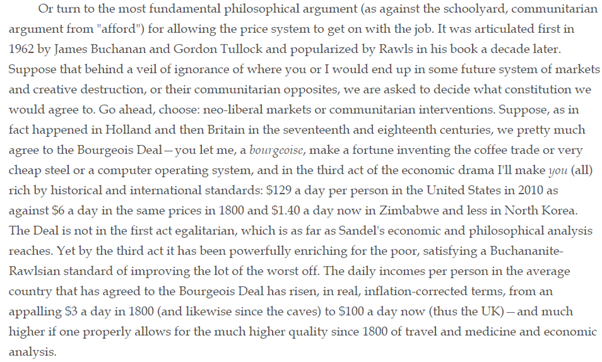
Source: Deirdre McCloskey: editorials: Review of Michael J. Sandel’s What Money Can’t Buy: The Moral Limit of Markets , New York: Ferrar, Straus and Giroux, 2012. Pp. 244 +viii. Index. by Deirdre McCloskey August 1, 2012. Shorter version published in the Claremont Review of Books XII(4), Fall 2012.

Down and out in America after 20 years of welfare reform
28 Aug 2016 Leave a comment
in applied welfare economics, economic history, labour economics, welfare reform Tags: 1996 U.S. welfare reforms, child poverty, family poverty
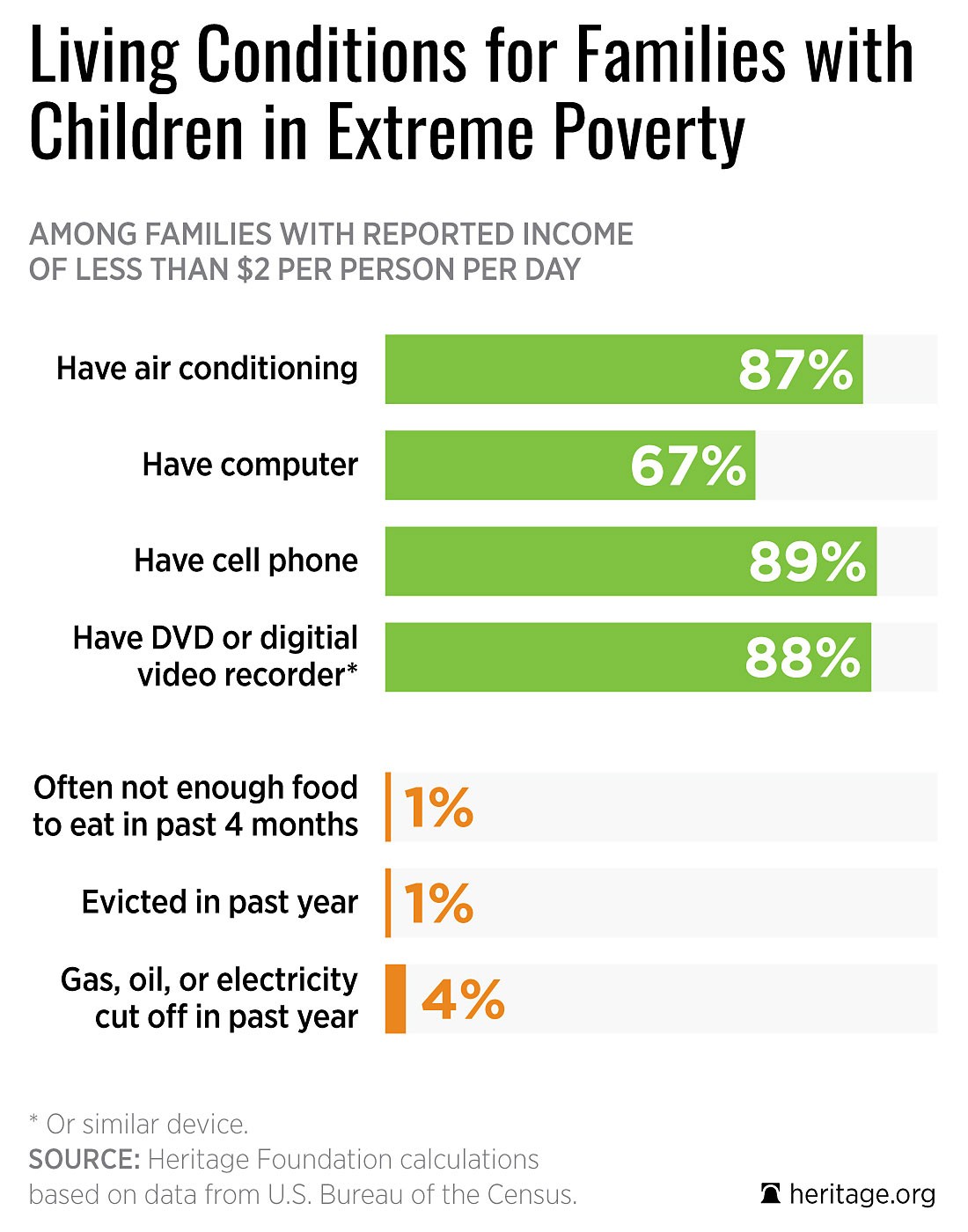
Nanny state protects us from late-night fast food
28 Aug 2016 Leave a comment
in applied welfare economics, economics, economics of regulation Tags: nanny state
Homelessness fell under @NZNationalParty? @PhilTwyford @metiria @cjsbishop
26 Aug 2016 2 Comments
in applied welfare economics, economic history, labour economics, politics - New Zealand, poverty and inequality Tags: homelessness, neoliberalism, social insurance, vast right-wing conspiracy, welfare state
People living rough doubled under Labour! Fell under the National Party led government despite the global financial crisis and the return of neoliberal oppression.
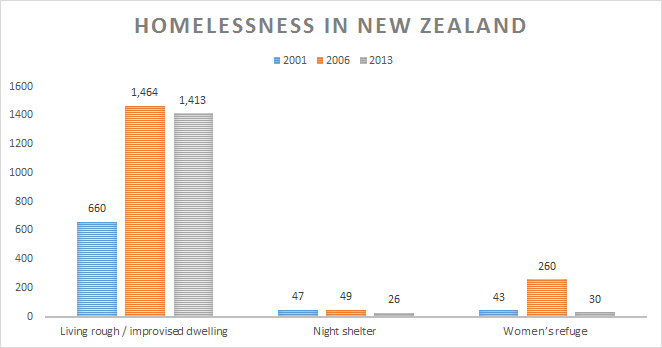
Source: 24 August 2016, Most homeless people working or studying, News, University of Otago, New Zealand, table 4.
How many of the 41,000 homeless don’t have a roof over their heads? @metiria @PhilTwyford
25 Aug 2016 Leave a comment
in applied welfare economics, labour economics, politics - New Zealand, poverty and inequality Tags: child poverty, family poverty, homelessness, social housing, social insurance, welfare state
There is a difference between not having a roof over your head and being in emergency or temporary accommodation. It disrespects those who lack a roof over their head tonight to equate their grave misfortune with those fortunate enough to already be in emergency accommodation. Once they are in emergency accommodation, that shows that the system is working. Finding them somewhere to stay pending finding something more permanent.
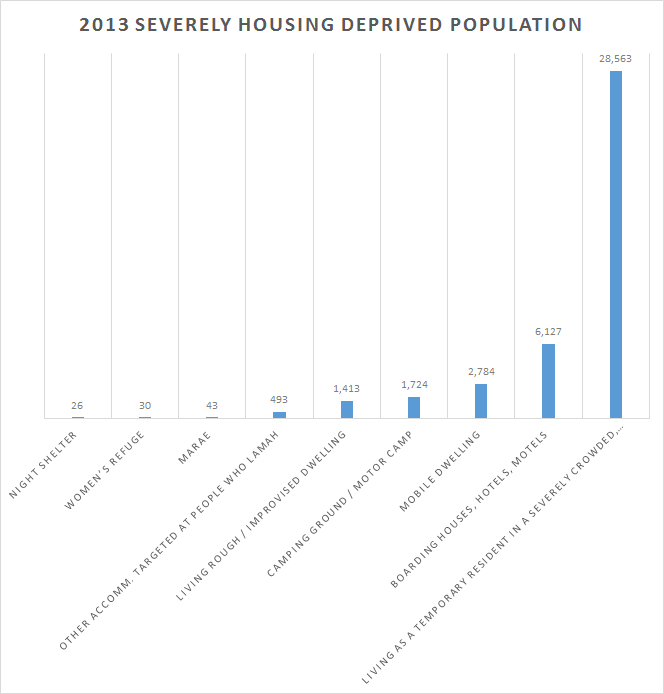
Source: 24 August 2016, Most homeless people working or studying, News, University of Otago, New Zealand, table 4.
https://twitter.com/childpovertynz/status/768631393459040256
https://twitter.com/PhilTwyford/status/768672477807456256
.
.@NZGreens do not understand business: minimum wage for contractors version
25 Aug 2016 Leave a comment
in applied price theory, applied welfare economics, economics of regulation, industrial organisation, labour economics, politics - New Zealand, poverty and inequality, survivor principle Tags: expressive voting, market process, New Zealand Greens, price signals, rational irrationality, The meaning of competition
The Greens are most upset that a Labour party private members bill to specify a minimum wage for contractors was voted down by one vote in parliament yesterday.
If you earn than the minimum wage as a contractor, that is a signal wrapped in an incentive. Your poor hourly earnings is a signal to you that maybe you should get out of that contracting business and go back to being an employee where you will be paid at least the minimum wage.
Many small businesses make no profits at all in the first year or so as they build the business. The founders of the business get by on savings, which they anticipated when they drew up their business plan. No one expects a business to make an immediate profit or always be profitable.
Contractors are entrepreneurs chancing their arm. They need crisp signals about whether they are succeeding, failing or could succeed if they try harder or do something different. A minimum wage for contractors masks those important market signals of success and failure.
If your dream of owning your own business is not even paying the minimum wage, maybe it is time to get out of the contracting business.


Recent Comments