Deirdre McCloskey: Innovation Begins in Our Minds
09 Apr 2024 Leave a comment
in applied price theory, applied welfare economics, comparative institutional analysis, constitutional political economy, development economics, economic history, entrepreneurship, growth miracles, history of economic thought
Cuba Libre
05 Apr 2024 Leave a comment
in applied price theory, comparative institutional analysis, constitutional political economy, development economics, economic history, economics of bureaucracy, economics of crime, growth disasters, history of economic thought, human capital, income redistribution, industrial organisation, labour economics, labour supply, law and economics, liberalism, Marxist economics, politics - USA, poverty and inequality, Public Choice, public economics, rentseeking Tags: Cuba
Martin Gurri has a very good, deep-dive on the current situation in Cuba. The wreckage of the Cuban economy really can’t be exaggerated. The perpetual blackouts are an apt symbol of a country that is headed for the dark ages. For the first time since the revolution, Cuba is begging the United Nations for food aid. Nearly […]
Cuba Libre
Unfettered: Fishback 25 Years Later
04 Apr 2024 Leave a comment
in applied price theory, applied welfare economics, comparative institutional analysis, discrimination, economic history, health and safety, human capital, labour economics, labour supply, law and economics, occupational choice, poverty and inequality, unemployment, unions Tags: racial discrimination
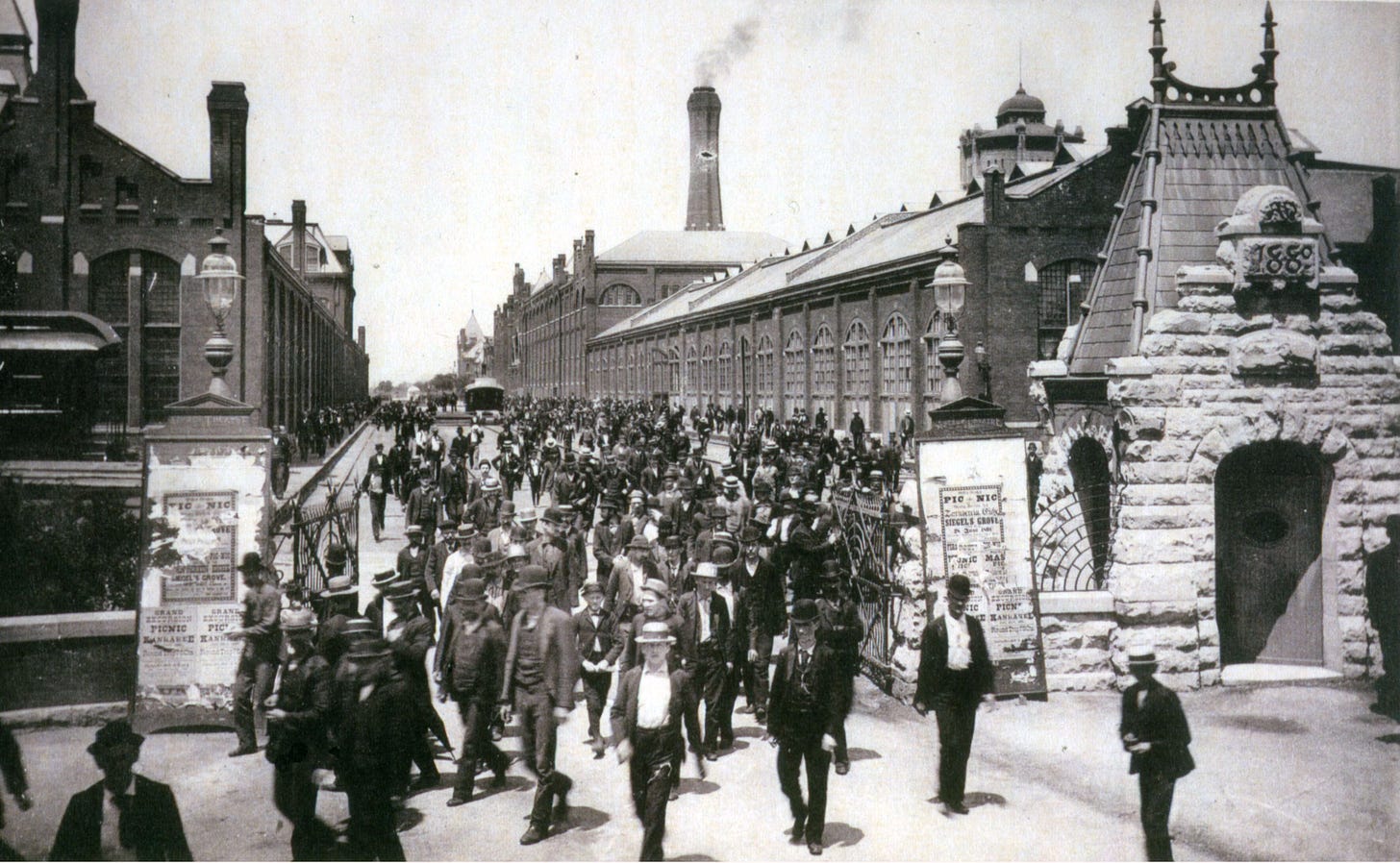
A quarter century ago, economist Price Fishback published “Operations of ‘Unfettered’ Labor Markets: Exit and Voice in American Labor Markets at the Turn of the Century” 1,762 more words
Unfettered: Fishback 25 Years Later
Anthony Willy on the SOE case and partnership fiction
01 Apr 2024 Leave a comment
in comparative institutional analysis, constitutional political economy, economic history, International law, law and economics, politics - New Zealand, property rights, Public Choice, public economics Tags: constitutional law
Former Judge and barrister Anthony Willy has an excellent post on the famous SOE case which is held up to have decided that the Treaty of Waitangi was a partnership. He demolishes this argument by quoting, well the actual judgment. The case was about acting in good faith. Well worth a read.
Anthony Willy on the SOE case and partnership fiction
How the Carbon Cult Subverts Political Discourse
30 Mar 2024 Leave a comment
in applied price theory, applied welfare economics, comparative institutional analysis, economics of regulation, energy economics, environmental economics, global warming Tags: Canada, climate alarmism

Trudeau Turns the Carbon Tax Screws on Canadians April 1 Ross Mckitrick explains the smoke and mirrors in Trudeau’s justifications for his racheting carbon tax in a National Post article Wanted: A leader who is honest about climate policy. Excerpts in italics with my bolds and added images. Pierre Poilievre is leading anti-carbon tax rallies […]
How the Carbon Cult Subverts Political Discourse
Haiti vs. the Dominican Republic
26 Mar 2024 Leave a comment
in comparative institutional analysis, development economics, growth disasters Tags: Haiti
I am setting aside most of the cultural and “macro” issues, and just considering policy, in my latest Bloomberg column. Excerpt: Consider agriculture. If you fly over Hispaniola, you can see a notable difference between the Haitian and Dominican sides of the border. The Dominican side has plenty of trees, whereas the Haitian side is denuded. Much […]
Haiti vs. the Dominican Republic
ROGER PARTRIDGE: HOW TO REIN IN AN ACTIVIST SUPREME COURT
22 Mar 2024 Leave a comment
in comparative institutional analysis, constitutional political economy, economic history, economics of bureaucracy, law and economics, liberalism, Marxist economics, politics - New Zealand, property rights, Public Choice Tags: constitutional law, rule of law
My earlier column this month, New Zealand’s highest court could be facing a turning point, prompted a flood of feedback from business readers and lawyers alike. A common query was what Parliament can do to restrain an overreaching judiciary. This week I discuss two steps Parliament should not hesitate to take. But first a quick recap. The…
ROGER PARTRIDGE: HOW TO REIN IN AN ACTIVIST SUPREME COURT
Do Me a Personal Favor: Please Pre-Order *Build, Baby, Build* Now
22 Mar 2024 Leave a comment
in applied price theory, applied welfare economics, comparative institutional analysis, constitutional political economy, economics of bureaucracy, economics of regulation, income redistribution, law and economics, liberalism, Marxist economics, politics - USA, property rights, Public Choice, public economics, rentseeking Tags: land supply, zoning

I started writing Build, Baby, Build: The Science and Ethics of Housing Regulation, in the early weeks of Covid. Now, with the kind cooperation of the Cato Institute, my second non-fiction graphic novel releases on May 1, 2024. That’s less than six weeks away.The official coverPlease forgive my laughable arrogance, but I assure you that…
Do Me a Personal Favor: Please Pre-Order *Build, Baby, Build* Now
Claude 3 Opus does Austrian economics
20 Mar 2024 Leave a comment
in applied price theory, Austrian economics, comparative institutional analysis, entrepreneurship, history of economic thought Tags: entrepreneurial alertness
TC: Let’s say you were Peter Boettke, and looking to pen a critique of Kirzner’s theory of entrepreneurship. You come from a slightly different branch of the Austrian school. How would you use that differential background to express your differences with the Kirznerian theory, which emphasizes alertness above all else as an entrepreneurial characteristic? “If […]
Claude 3 Opus does Austrian economics
GARY JUDD KC: On judicial imperialism
19 Mar 2024 Leave a comment
in comparative institutional analysis, constitutional political economy, law and economics, liberalism, libertarianism, Marxist economics, politics - USA, property rights
Why judges must ‘stay in their lane’ This article with minor differences was published by The Law Association’s Law News on 15 March 2024 Provoked by the Supreme Court’s decision in Smith v Fonterra and others [2024] NZSC 5, Professor James Allan, Garrick Professor of Law at the University of Queensland, a Canadian who taught law at…
GARY JUDD KC: On judicial imperialism
Bonus Quotation of the Day…
15 Mar 2024 Leave a comment
in applied price theory, applied welfare economics, Austrian economics, comparative institutional analysis, liberalism, Marxist economics
Tweet… is from page 434 of the final (2016) volume – Bourgeois Equality – of Deirdre McCloskey’s soaring trilogy on the essence of bourgeois values, on their transmission, and on their essential role in modern life: Zero-sum is the default in thinking about my gain and thine. It is the chief error in economic thinking…
Bonus Quotation of the Day…
An Open Letter to Nobel-laureate Economist Angus Deaton
13 Mar 2024 Leave a comment
in applied price theory, applied welfare economics, Austrian economics, comparative institutional analysis, economic history, entrepreneurship, history of economic thought, income redistribution, international economics, labour economics, labour supply, poverty and inequality, Public Choice, rentseeking, survivor principle, unemployment Tags: creative destruction, free trade, tariffs
TweetProf. Angus Deaton Princeton University Prof. Deaton: Over the years I’ve learned much from your writings, and I regard your 2013 The Great Escape as one of the most important books published in the past 15 years. So I was quite surprised and disappointed to read that you, as you say, are now “much more…
An Open Letter to Nobel-laureate Economist Angus Deaton
The RCT Agenda
12 Mar 2024 Leave a comment
in applied price theory, applied welfare economics, comparative institutional analysis, development economics, econometerics, economic history, economics of bureaucracy, economics of education, economics of information, economics of regulation, experimental economics, growth disasters, growth miracles, history of economic thought, human capital, labour economics, labour supply, law and economics, managerial economics, market efficiency, Marxist economics, occupational choice, organisational economics, property rights, Public Choice, public economics Tags: The fatal conceit

Randomized Controlled Trials: Could you be any more scientific? The book I’m now writing, Unbeatable: The Brutally Honest Case for Free Markets, insists that the randomistas of the economics profession actually have a thinly-veiled political agenda. Namely: To get economists to humbly serve the demagogues that rule the world instead of bluntly challenging their unabated…
The RCT Agenda
Not Bridgeable
10 Mar 2024 Leave a comment
in comparative institutional analysis, discrimination, economic history, economics of crime, economics of education, economics of love and marriage, gender, income redistribution, labour economics, law and economics, liberalism, Marxist economics, politics - USA, Public Choice Tags: 2024 presidential election, free speech, political correctness, regressive left

In the last few years, especially after I started writing for this blog, I got more than a few comments about the need for bi-partisanship, not hating out ideological, let alone political opponents. What was notable about this was that they all came from the Right of the political spectrum. The Left seem quite happy […]
Not Bridgeable
 Utopia, you are standing in it!
Recent Comments