The rise and fall of the Chinese Economy
15 Sep 2020 Leave a comment
in comparative institutional analysis, constitutional political economy, development economics, entrepreneurship, growth miracles, history of economic thought, industrial organisation, law and economics, property rights, survivor principle Tags: China
Angus Deaton: «lDevelopment aid is cynical» – Swiss Television SRF
14 Sep 2020 Leave a comment
in Bill Easterly, comparative institutional analysis, constitutional political economy, development economics, economic history, economics of bureaucracy, economics of crime, growth disasters, growth miracles, international economics, law and economics, P.T. Bauer, property rights, Public Choice, public economics, rentseeking Tags: overseas aid
Cannot enforce a treaty if there was no meeting of minds on what was agreed
13 Sep 2020 Leave a comment
in comparative institutional analysis, constitutional political economy, defence economics, economic history, International law, law and economics, politics - New Zealand, Public Choice, public economics Tags: constitutional law, contract law

Why conspiracy theories are rational to believe
12 Sep 2020 Leave a comment
in applied price theory, applied welfare economics, behavioural economics, comparative institutional analysis, economics of education, economics of information, economics of media and culture, politics - Australia, politics - New Zealand, politics - USA, Public Choice Tags: cognitive psychology, conspiracy theorists, political psychology
Jordan Peterson: The fatal flaw in leftist American politics | Big Think
12 Sep 2020 Leave a comment
in comparative institutional analysis, constitutional political economy, development economics, economic history, economics of education, entrepreneurship, history of economic thought, human capital, income redistribution, industrial organisation, labour economics, liberalism, libertarianism, Marxist economics, poverty and inequality, Public Choice, public economics, Rawls and Nozick Tags: anti-market bias, envy, pessimism bias, regressive left, top 1%
3rd. Global Conference Business Cycles – Edward C Prescott
10 Sep 2020 Leave a comment
in applied price theory, applied welfare economics, budget deficits, business cycles, comparative institutional analysis, development economics, economic growth, economic history, economics of regulation, Edward Prescott, entrepreneurship, Euro crisis, financial economics, fiscal policy, global financial crisis (GFC), great depression, great recession, growth disasters, growth miracles, history of economic thought, industrial organisation, international economics, labour economics, labour supply, macroeconomics, monetarism, monetary economics, public economics, unemployment Tags: real business cycles
INCU Global Conference 2014 – Thomas J. Sargent – Keynote Address on the effects of opening borders
02 Sep 2020 Leave a comment
in applied price theory, applied welfare economics, budget deficits, business cycles, comparative institutional analysis, constitutional political economy, currency unions, econometerics, economic history, economics of bureaucracy, economics of regulation, entrepreneurship, financial economics, fiscal policy, growth disasters, growth miracles, history of economic thought, human capital, income redistribution, industrial organisation, international economic law, international economics, International law, labour economics, labour supply, law and economics, macroeconomics, politics - Australia, politics - New Zealand, politics - USA, poverty and inequality, property rights, Public Choice, rentseeking, survivor principle, transport economics, unemployment Tags: custom unions, free trade, tariffs
Exploring Liberty, Part 4: Simple Rules for a Complex World
30 Aug 2020 Leave a comment
in comparative institutional analysis, constitutional political economy, economic history, economics of regulation, environmental economics, history of economic thought, industrial organisation, labour economics, law and economics, Public Choice, public economics, Richard Epstein Tags: rule of law
Exploring Liberty, Part 5: The Machinery of Freedom
28 Aug 2020 Leave a comment
in applied welfare economics, comparative institutional analysis, constitutional political economy, David Friedman, defence economics, economic history, economics of bureaucracy, economics of crime, economics of regulation, environmental economics, history of economic thought, income redistribution, law and economics, liberalism, libertarianism, property rights, Public Choice, public economics, rentseeking Tags: economics of anarchy
A Common Lawyer Looks at Supreme Court Constitutional Law | Richard Epstein
27 Aug 2020 Leave a comment
in comparative institutional analysis, constitutional political economy, economics of bureaucracy, law and economics, politics - USA, property rights, Public Choice, Richard Epstein Tags: constitutional law
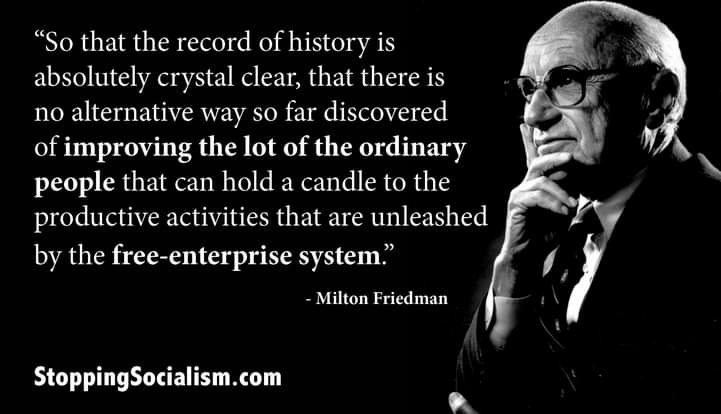
The Great Fact @BernieSanders @AOC @Greens @NZGreens
26 Aug 2020 Leave a comment
in comparative institutional analysis, constitutional political economy, development economics, economic history, growth disasters, growth miracles, income redistribution, industrial organisation, law and economics, Marxist economics, Milton Friedman, politics - Australia, politics - New Zealand, politics - USA, property rights, Public Choice, public economics Tags: anti-market bias, pessimism bias, regressive left, The Great Enrichment, The Great Escape, useful idiots
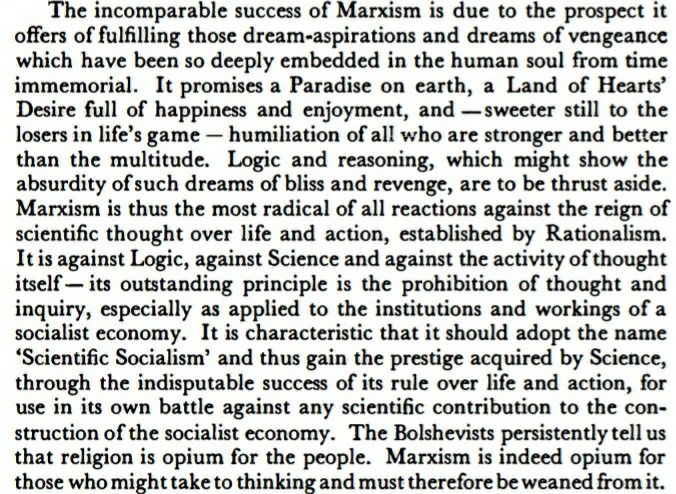
Mises on the appeal of Marxism @AOC @Greens @BernieSanders @NZGreens
22 Aug 2020 Leave a comment
in Austrian economics, comparative institutional analysis, constitutional political economy, development economics, economics of crime, economics of education, entrepreneurship, history of economic thought, human capital, income redistribution, industrial organisation, labour economics, labour supply, law and economics, Ludwig von Mises, Marxist economics, politics - Australia, politics - New Zealand, politics - USA, poverty and inequality, property rights, Public Choice, public economics, rentseeking Tags: anti-market bias, economics of socialism, envy, pessimism bias, regressive left, The fatal conceit
Crises in Chicago | Glenn Loury & Richard Epstein [The Glenn Show]
22 Aug 2020 Leave a comment
in comparative institutional analysis, economics of bureaucracy, economics of crime, health economics, law and economics, politics - USA, property rights, Public Choice, Richard Epstein, urban economics Tags: 2020 presidential election, crime and punishment, economics of pandemics, land supply, law and order, regressive left, zoning
Adam Smith and religion
21 Aug 2020 Leave a comment
in Adam Smith, comparative institutional analysis, David Friedman, economics of education, history of economic thought, human capital, industrial organisation, labour economics, labour supply, occupational choice, poverty and inequality, property rights Tags: moral hazard, signaling
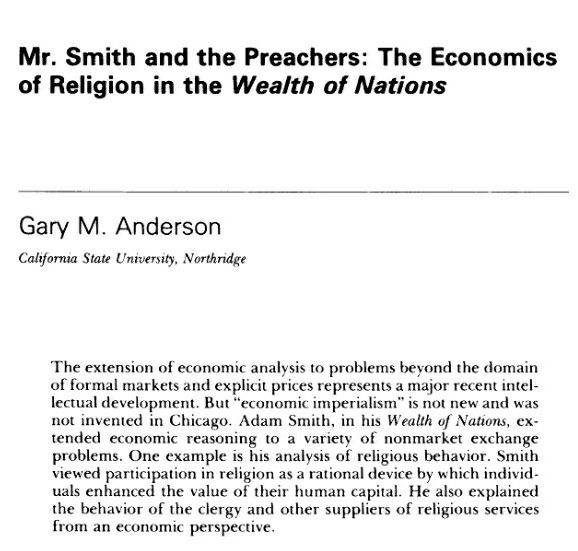
JPE 1988


Recent Comments