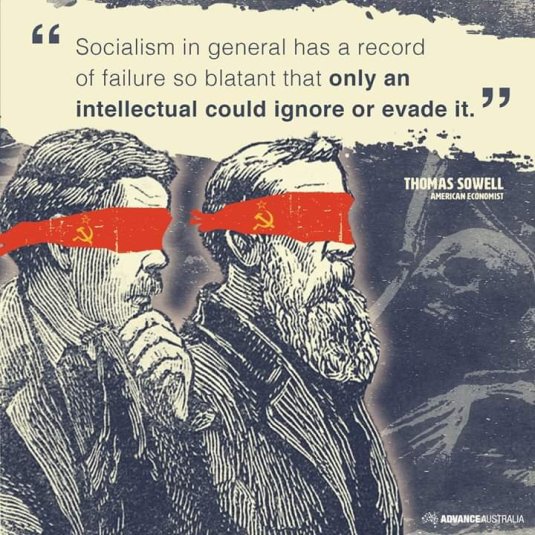
.@AOC @BernieSanders @SenWarren @Greens @NZGreens @oxfamnz
31 May 2020 Leave a comment
in applied price theory, comparative institutional analysis, constitutional political economy, development economics, economic history, economics of bureaucracy, economics of crime, economics of regulation, growth disasters, human capital, income redistribution, industrial organisation, labour economics, labour supply, law and economics, Marxist economics, poverty and inequality, property rights, Public Choice, rentseeking, survivor principle, Thomas Sowell Tags: fall of communism, offsetting behaviour, rational irrationality, regressive left, The fatal conceit, unintended consequences
Free To Choose in Under 2 Minutes Episode 2 – The Tyranny of Control
22 May 2020 Leave a comment
in Adam Smith, applied price theory, applied welfare economics, comparative institutional analysis, constitutional political economy, development economics, economic history, economics of religion, entrepreneurship, growth disasters, growth miracles, income redistribution, industrial organisation, international economics, labour economics, labour supply, law and economics, Milton Friedman, property rights, Public Choice, public economics, rentseeking, survivor principle, television Tags: capitalism and freedom, India, Japan
Free To Choose in Under 2 Minutes Episode 1 – The Power of the Market
21 May 2020 Leave a comment
in applied price theory, applied welfare economics, comparative institutional analysis, constitutional political economy, development economics, economic history, economics of regulation, entrepreneurship, financial economics, growth miracles, history of economic thought, industrial organisation, international economics, labour economics, labour supply, law and economics, Milton Friedman, occupational choice, poverty and inequality, property rights, Public Choice, public economics, survivor principle, television Tags: capitalism and freedom

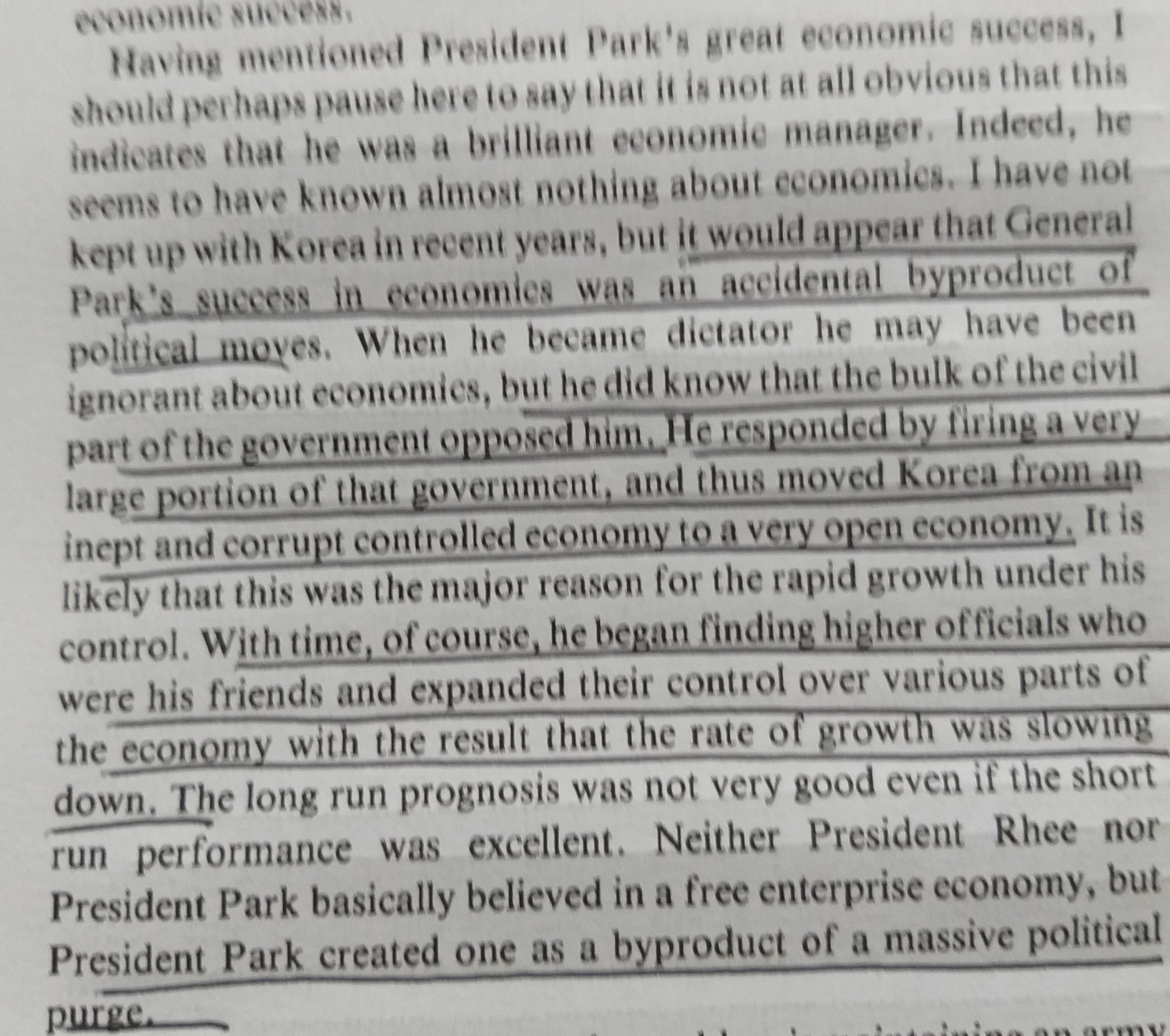
Gordon Tullock explains the Korean economic miricle
18 May 2020 Leave a comment
in comparative institutional analysis, constitutional political economy, defence economics, development economics, economic history, economics of bureaucracy, Gordon Tullock, growth miracles, Public Choice, public economics, rentseeking Tags: South Korea
Doing Bad by Doing Good by Chris Coyne
18 May 2020 Leave a comment
in applied price theory, applied welfare economics, Austrian economics, comparative institutional analysis, constitutional political economy, economics of bureaucracy, economics of information, economics of natural disasters, economics of regulation, entrepreneurship, F.A. Hayek, health economics, history of economic thought, industrial organisation, international economics, labour economics, law and economics, property rights, Public Choice, public economics Tags: offsetting behaviour, The fatal conceit, unintended consequences
Richard Epstein, “A History of Public Utility Regulation in the Supreme Court”
17 May 2020 Leave a comment
in applied price theory, applied welfare economics, Austrian economics, comparative institutional analysis, economic history, economics of information, economics of regulation, history of economic thought, industrial organisation, law and economics, Public Choice, Richard Epstein Tags: competition law, network industries
Thomas Sowell summarises his Conflict of Visions book
16 May 2020 Leave a comment
in comparative institutional analysis, Thomas Sowell


The Man Who Made Hong Kong
14 May 2020 Leave a comment
in comparative institutional analysis, constitutional political economy, development economics, economic history, entrepreneurship, growth miracles, industrial organisation, labour economics, labour supply, law and economics, liberalism, property rights, Public Choice, survivor principle Tags: capitalism and freedom, Hong Kong
Milton Friedman – Economic Transition in Eastern Europe – George Shultz, George Stigler
08 May 2020 Leave a comment
in comparative institutional analysis, constitutional political economy, economic history, economics of bureaucracy, economics of regulation, George Stigler, industrial organisation, labour economics, law and economics, Marxist economics, Milton Friedman, property rights, Public Choice Tags: fall of communism
The Case Against Education: Why the Education System is a Waste of Time and Money
06 May 2020 Leave a comment
in comparative institutional analysis, economics of education, economics of information, human capital, labour economics, labour supply, occupational choice Tags: adverse selection, asymmetric information, signaling and screening
A Day in the Life of a Socialist Citizen | Michael Walzer (1968) Dissent Magazine
03 May 2020 Leave a comment
in comparative institutional analysis, constitutional political economy, economics of bureaucracy, industrial organisation, labour supply, law and economics, managerial economics, Marxist economics, occupational choice, organisational economics, poverty and inequality, property rights, Public Choice, theory of the firm Tags: offsetting behaviour, The fatal conceit, unintended consequences



Recent Comments