David K. Levine is Against Intellectual Monopoly
12 Apr 2020 Leave a comment
in applied price theory, applied welfare economics, comparative institutional analysis, economic history, entrepreneurship, history of economic thought, industrial organisation, law and economics, Ronald Coase Tags: patents and copyright
Tyler Cowen on the social and political implications of #COVID19
11 Apr 2020 Leave a comment
in applied price theory, applied welfare economics, business cycles, comparative institutional analysis, economic growth, economic history, economics of bureaucracy, economics of natural disasters, health and safety, health economics, income redistribution, labour economics, labour supply, law and economics, macroeconomics, Public Choice, rentseeking Tags: economics of pandemics
How did Medieval Diplomacy Work?
11 Apr 2020 Leave a comment
in comparative institutional analysis, constitutional political economy, defence economics, economic history, economics of bureaucracy, international economic law, International law, Public Choice, war and peace Tags: diplomacy
The Case for Nuclear Power (Pt. 1) | Mike Shellenberger | POLITICS | Rubin Report
09 Apr 2020 Leave a comment
in comparative institutional analysis, economics of regulation, energy economics, environmental economics, global warming, politics - USA Tags: nuclear power
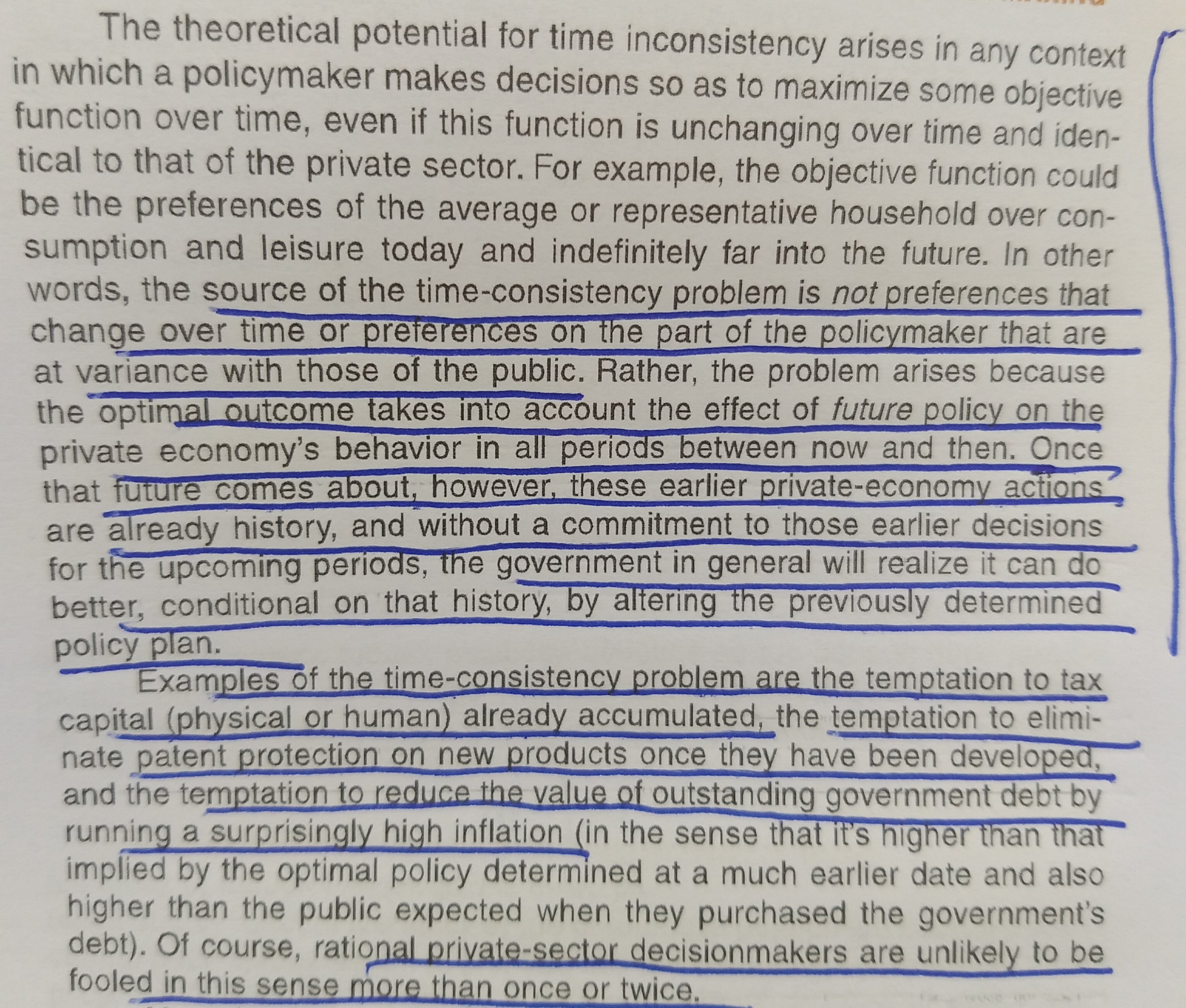
Finn Kydland and the PIGS
02 Apr 2020 Leave a comment
in comparative institutional analysis, economic growth, economics of regulation, financial economics, public economics

Finn Kyland on Ireland
31 Mar 2020 Leave a comment
in budget deficits, business cycles, comparative institutional analysis, economic growth, economics of regulation, financial economics, macroeconomics, Public Choice, rentseeking, unemployment

Eamonn Butler on the knowledge problem
31 Mar 2020 Leave a comment
in Austrian economics, comparative institutional analysis, economics of bureaucracy, economics of regulation, entrepreneurship, history of economic thought, industrial organisation, law and economics, managerial economics, organisational economics, property rights, Public Choice, survivor principle Tags: offsetting behaviour, The fatal conceit, The pretence of knowledge, unintended consequences
Steven N.S. Cheung on the Communist economy
29 Mar 2020 Leave a comment
in applied price theory, comparative institutional analysis, economics of information, history of economic thought, law and economics, Marxist economics, property rights, Public Choice, Ronald Coase, theory of the firm

Coronavirus: Do socialists understand socialism?
29 Mar 2020 Leave a comment
in applied price theory, applied welfare economics, Austrian economics, comparative institutional analysis, constitutional political economy, development economics, economic history, economics of bureaucracy, economics of information, economics of regulation, entrepreneurship, growth disasters, growth miracles, income redistribution, industrial organisation, law and economics, liberalism, libertarianism, Marxist economics, Public Choice, public economics, rentseeking, survivor principle Tags: economics of pandemics


.@Bryan_Caplan’s best presentation of the case against education
18 Mar 2020 Leave a comment
in applied price theory, applied welfare economics, comparative institutional analysis, economics of education, economics of information, history of economic thought, human capital, income redistribution, industrial organisation, labour economics, labour supply, managerial economics, occupational choice, organisational economics, personnel economics, Public Choice, public economics, rentseeking, survivor principle Tags: adverse selection, asymmetric information, College premium, graduate premium, screening, self-selection, signaling



Recent Comments