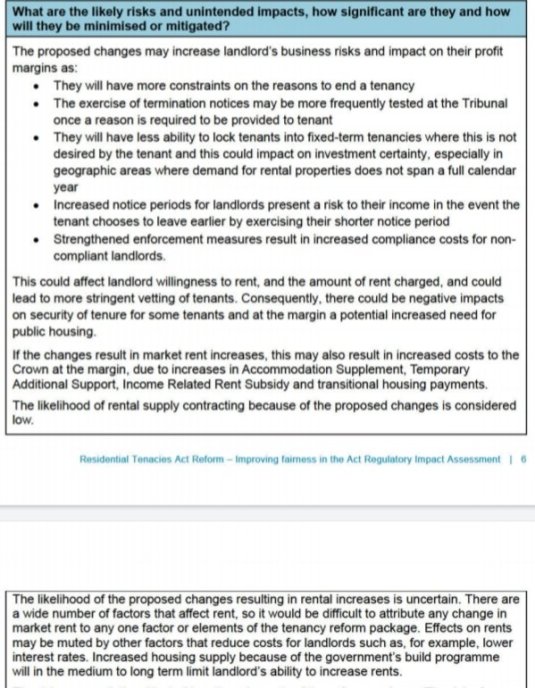
More @MBIEgovtnz warnings of more homelessness under @JacindaArdern’s fairer tenancy laws
18 Nov 2019 Leave a comment
in applied price theory, applied welfare economics, comparative institutional analysis, discrimination, economics of bureaucracy, economics of regulation, industrial organisation, law and economics, politics - New Zealand, property rights, Public Choice Tags: anti-market bias, offsetting behaviour, regressive left, The fatal conceit, unintended consequences
David Friedman – Law Enforcement Without the State
18 Nov 2019 Leave a comment
in comparative institutional analysis, constitutional political economy, David Friedman, economics of crime, law and economics, property rights
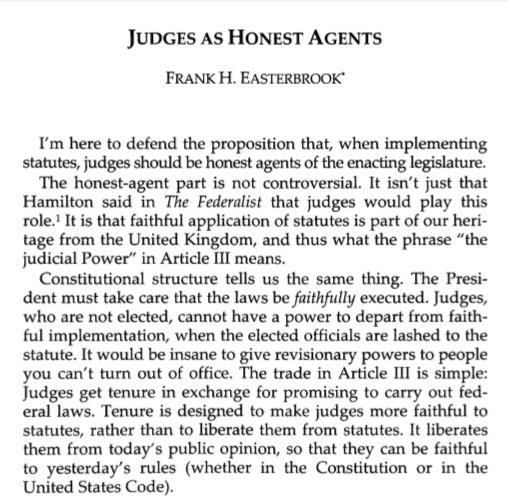
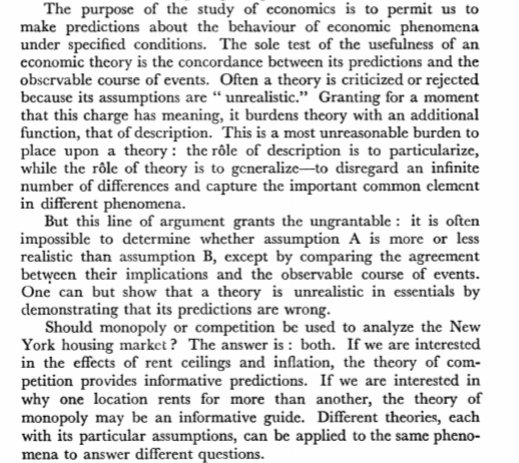
Innovation and Growth Cycles David Levine
15 Nov 2019 Leave a comment
in applied price theory, comparative institutional analysis, development economics, econometerics, economic history, economics of bureaucracy, economics of regulation, Federalism, financial economics, growth disasters, growth miracles, history of economic thought, income redistribution, industrial organisation, law and economics, Public Choice, rentseeking, survivor principle
Economic Freedom and Spontaneous Orders | Lynne Kiesling
14 Nov 2019 Leave a comment
in applied price theory, Austrian economics, comparative institutional analysis, entrepreneurship, history of economic thought, industrial organisation
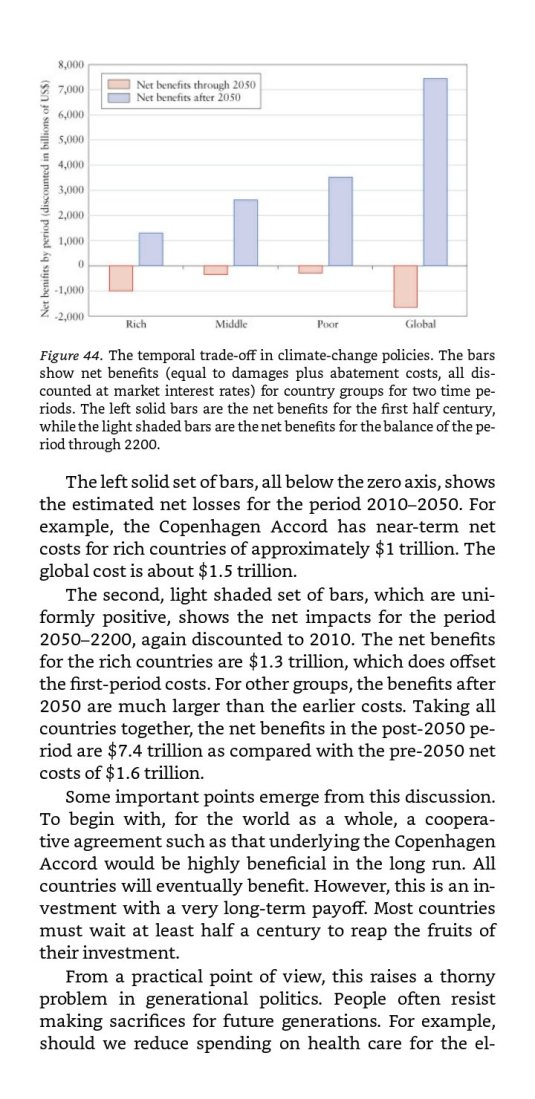
Life behind the Berlin Wall | The Economist
12 Nov 2019 Leave a comment
in comparative institutional analysis, defence economics, development economics, economic history, economics of bureaucracy, income redistribution, International law, law and economics, Public Choice, rentseeking, war and peace Tags: Berlin, fall of communism, Germany
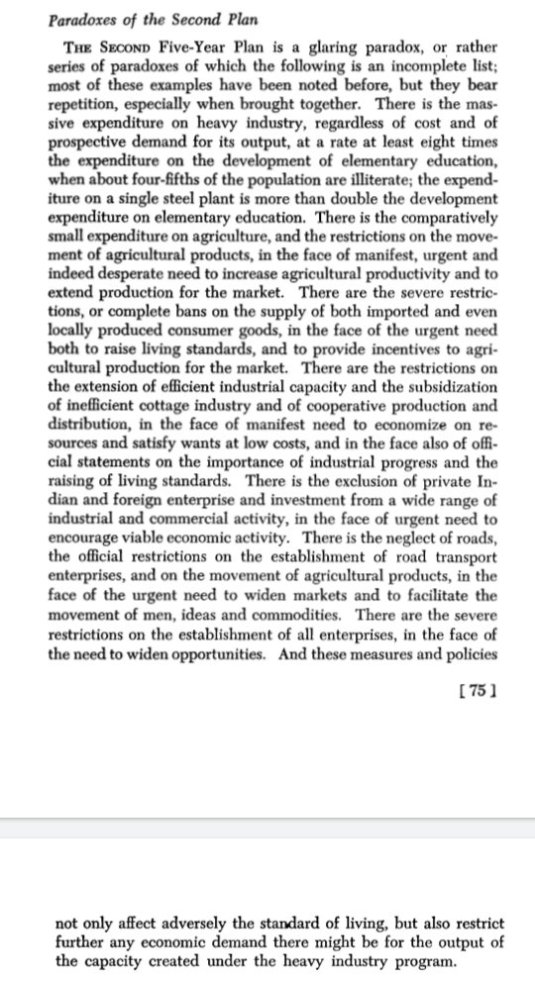
Roger D. Congleton on democracy coming through revolution
11 Nov 2019 Leave a comment
in comparative institutional analysis, constitutional political economy, defence economics, economic history, Public Choice Tags: capitalism and freedom
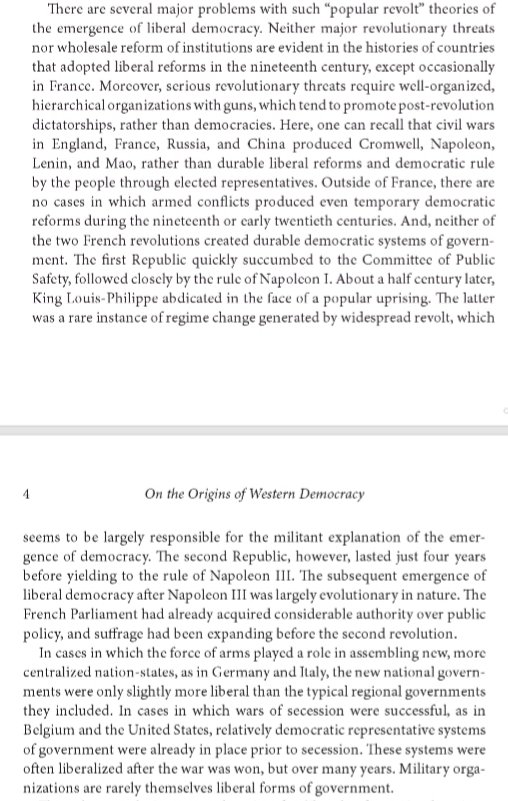
P.T. Bauer (1959) on planning a big push out of Indian poverty
10 Nov 2019 Leave a comment
in comparative institutional analysis, development economics, economic history, economics of bureaucracy, economics of education, economics of information, economics of regulation, growth disasters, human capital, income redistribution, industrial organisation, labour economics, labour supply, law and economics, Marxist economics, property rights, Public Choice, public economics, rentseeking Tags: economics of planning, economics of socialism, India, The fatal conceit
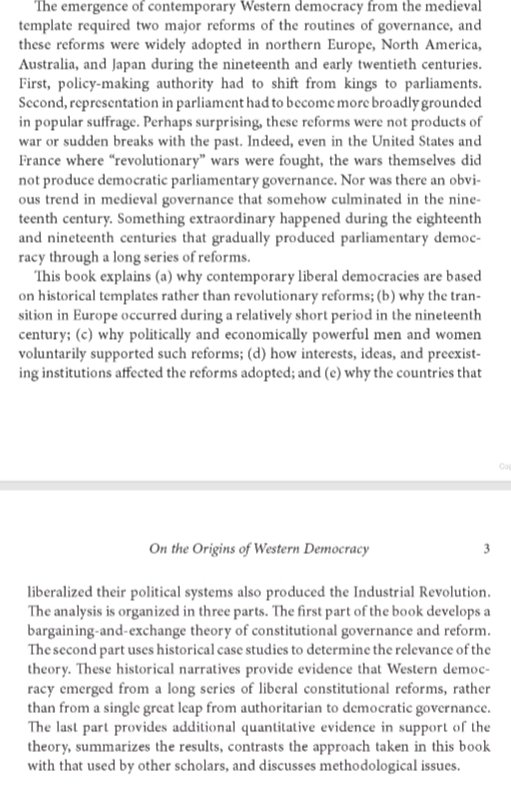
Roger D. Congleton on the gradual nature of democratic reform based on co-option
10 Nov 2019 Leave a comment
in comparative institutional analysis, constitutional political economy, economic history, law and economics, Public Choice Tags: capitalism and freedom
Museum of Neoliberalism
10 Nov 2019 Leave a comment
in applied price theory, applied welfare economics, comparative institutional analysis, constitutional political economy, development economics, economic history, F.A. Hayek, growth disasters, growth miracles, history of economic thought, Karl Popper, law and economics, liberalism, libertarianism, Marxist economics, Milton Friedman, Public Choice, Rawls and Nozick Tags: anti-foreign bias, anti-market bias, make-work bias, pessimism bias, The Great Enrichment
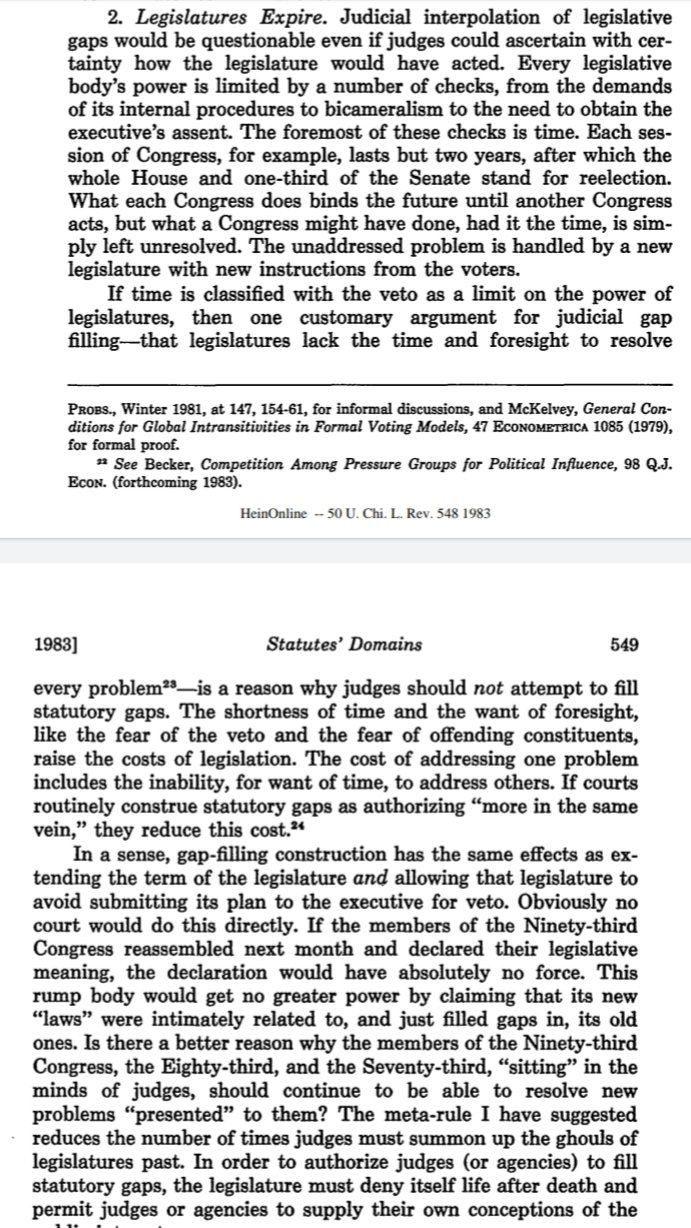


Recent Comments