Capitalism and Millennials: The 2018 James Q. Wilson Lecture
22 Dec 2019 Leave a comment
in comparative institutional analysis, constitutional political economy, economic history, economics of education, economics of information, economics of regulation, entrepreneurship, environmental economics, history of economic thought, human capital, income redistribution, industrial organisation, international economics, labour economics, labour supply, law and economics, Public Choice, rentseeking, survivor principle Tags: pessimism bias
Firing Line with William F. Buckley Jr.: Hayek on Is There a Case for Private Property?
21 Dec 2019 Leave a comment
in Austrian economics, comparative institutional analysis, constitutional political economy, economics of bureaucracy, economics of information, F.A. Hayek, history of economic thought, law and economics, property rights, Public Choice
Policy Briefs: John Cochrane on Why a Complicated Tax Code Leads to Negative Outcomes
17 Dec 2019 Leave a comment
in applied price theory, applied welfare economics, comparative institutional analysis, constitutional political economy, economic history, entrepreneurship, industrial organisation, labour economics, labour supply, politics - USA, Public Choice, public economics Tags: taxation and entrepreneurship, taxation and investment, taxation and labour supply
How Donald Trump Won The White House: Jonathan Pie’s American Pie
17 Dec 2019 1 Comment
in constitutional political economy, economics of bureaucracy, economics of information, income redistribution, international economic law, International law, labour economics, labour supply, law and economics, politics - USA, Public Choice, public economics, unemployment Tags: 2016 presidential election, 2020 presidential election, economics of immigration, political correctness, regressive left
Election Aftermath!
16 Dec 2019 Leave a comment
in constitutional political economy, economics of education, economics of information, income redistribution, international economic law, international economics, International law, Public Choice Tags: Brexit, regressive left
Walter E. Williams: Government, The Market, and Minorities
16 Dec 2019 Leave a comment
in applied price theory, applied welfare economics, Austrian economics, comparative institutional analysis, constitutional political economy, discrimination, economic history, economics of education, entrepreneurship, health economics, human capital, industrial organisation, labour economics, labour supply, occupational choice, poverty and inequality, privatisation, survivor principle, unemployment, welfare reform Tags: racial discrimination
The Narrow Corridor: States, Societies, and the Fate of Liberty
10 Dec 2019 Leave a comment
in comparative institutional analysis, constitutional political economy, defence economics, development economics, economic history, economics of bureaucracy, economics of crime, economics of regulation, growth disasters, growth miracles, income redistribution, law and economics, property rights, Public Choice, rentseeking Tags: The Great Enrichment
Ross McKitrick: a truth-based cap-and-trade linked to tropical troposphere temperature, which you can then short if a skeptic or go long if an alarmist
07 Dec 2019 Leave a comment
in applied welfare economics, comparative institutional analysis, constitutional political economy, energy economics, environmental economics, global warming, Public Choice, public economics, rentseeking Tags: cap and trade, carbon pricing, green rent seeking
Richard Epstein | The Continuing Relevance of Hayek’s The Constitution of Liberty
06 Dec 2019 Leave a comment
in applied price theory, comparative institutional analysis, constitutional political economy, economic history, F.A. Hayek, history of economic thought, law and economics, property rights, Public Choice Tags: capitalism and freedom, rule of law
La maquinaria de la libertad (Entrevista) | David Friedman
04 Dec 2019 Leave a comment
in comparative institutional analysis, constitutional political economy, David Friedman, economic history, economics of crime, law and economics, property rights
David Friedman | Feud as Law (17. 4. 2018)
03 Dec 2019 Leave a comment
in comparative institutional analysis, constitutional political economy, David Friedman, economics of crime, law and economics, property rights
Is Economic Growth a Moral Imperative? Lecture by Tyler Cowen
30 Nov 2019 Leave a comment
in applied welfare economics, Austrian economics, comparative institutional analysis, constitutional political economy, development economics, economic growth, economic history, growth disasters, growth miracles, law and economics, macroeconomics, property rights, Public Choice Tags: The Great Enrichment, The Great Escape
Why the British Royal Family Changed Their Name During WWI
30 Nov 2019 Leave a comment
in constitutional political economy, economic history Tags: World War I
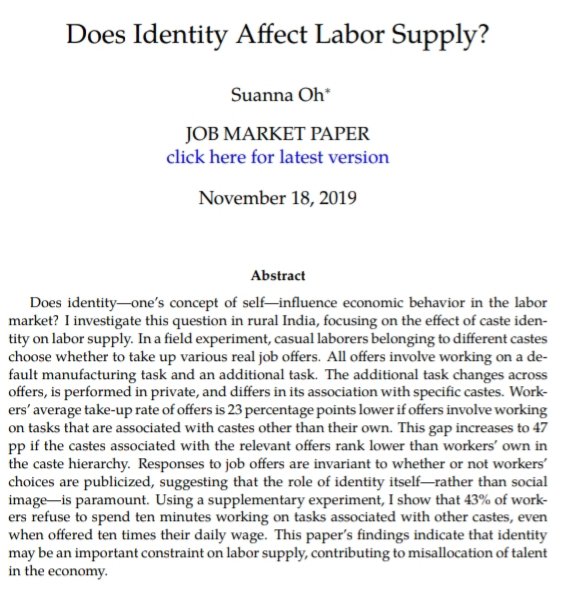
Labour supply in the Indian caste system
28 Nov 2019 Leave a comment
in comparative institutional analysis, constitutional political economy, development economics, discrimination, economic history, economics of information, economics of religion, growth disasters, labour economics, labour supply, occupational choice, Public Choice, rentseeking Tags: caste system, India, religious discrimination


Recent Comments