Shell Shock – The Psychological Scars of World War 1 I THE GREAT WAR Special
17 Nov 2017 Leave a comment
in defence economics, health economics, war and peace Tags: mental illness, World War I
Little wonder JFK bribed his way passed navy medical. Little chance of political career otherwise
12 Nov 2017 Leave a comment
in defence economics, economic history, politics - USA, Public Choice
Why we fought in the Great War
11 Nov 2017 Leave a comment
Australia and New Zealand were filled with first and second-generation migrants happy to rally to defend their mother country:
- 12 per cent of the population of New Zealand volunteered to fight; and
- 13 per cent of the male population of Australia volunteered to fight in World War 1.
The people and governments of New Zealand and Australia of that time were British to their boot straps. The Union Jack was in their flags for a reason.
In the September 1914 election, both opposition leader Andrew Fisher and Prime Minister Joseph Cook stressed Australia’s unflinching loyalty to Britain, and Australia’s readiness to take its place with the allied countries. Labor Party leader Fisher’s campaign pledge was to:
… stand beside the mother country to help and defend her to the last man and the last shilling.
Labor defeated the incumbent government to win majorities in both houses. Billy Hughes and his nationalist party won the 1917 election in a landslide.
New Zealanders had even a better chance to reflect on the war-making choices of their leaders in 1914. Our election was in December of 1914. The passions of the moment had some chance to calm, and the fighting has started for real.
The will of the people at the December 1914 Parliamentary elections was a 90 per cent vote for the war parties. New Zealanders could have voted for the Labour MPs, several of whom were later imprisoned for their anti-conscription activities or for refusing military service.
In New Zealand, after that wartime election, the Prime Minister was an Irish Protestant who formed a coalition with an Irish Catholic as his deputy.
Do you know of a superior mechanism to elections for measuring the will of the people? Are elections inadequate to the task of deciding if the people support a war and that support of the public is based on well-founded reasons?
The reasons for New Zealand and Australia fighting are the just cause of fighting militarism and territorial conquest, empire solidarity, regional security interests such as the growing number of neighbouring German colonies, and long-term national security. A victorious Germany would have imposed a harsh peace.
New Zealand and Australian national security is premised on having a great and powerful friend. That was initially Britain. When the USA arrived in 1941 as a better great and powerful friend, the British were dropped like a stone.
Cabinet and other papers published in the Dominion Post recently show that in 1939 the socialist government of New Zealand knew that war was imminent in Europe. A government led by several people imprisoned for resisting the First World War decided that it wanted to declare war on Germany a few moments as possible after the UK did so. The telegraph messenger was delayed in London by air-raid alert and New Zealand’s declaration of war was delayed to later in that day.
The Men Who Dropped the Bombs on Hiroshima and Nagasaki
31 Oct 2017 Leave a comment
in defence economics, war and peace Tags: atomic bombings
Does Israel Discriminate Against Arabs?
26 Oct 2017 1 Comment
in constitutional political economy, defence economics, discrimination, law and economics Tags: Gaza Strip, Israel, Palestine
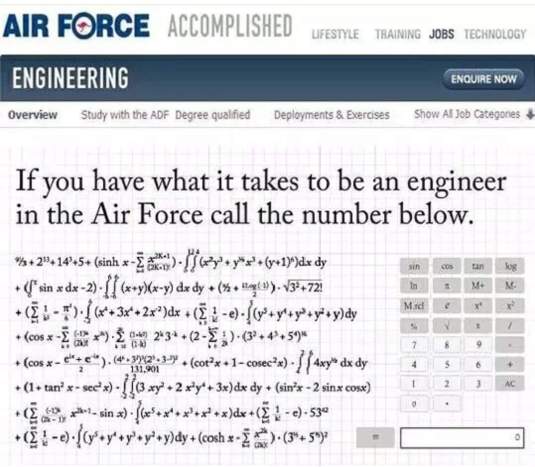
Job ad that employs screening and self-selection
25 Oct 2017 Leave a comment
in defence economics, labour economics, labour supply, occupational choice, personnel economics Tags: moral hazard, screening, self-selection
The rise and fall of the American fallout shelter
23 Oct 2017 Leave a comment
in defence economics, war and peace
Doctor Strangelove – Doomsday Machine
14 Oct 2017 Leave a comment
in applied price theory, defence economics, movies Tags: game theory, mutually assured destruction
Nick Cohen: Is Jeremy Corbyn a pacifist?
10 Oct 2017 Leave a comment
in defence economics, economics of crime, law and economics, war and peace Tags: British politics, war against terror
Just saying
09 Oct 2017 Leave a comment
in defence economics, economics of crime, law and economics, war and peace Tags: war against terror
How people stayed healthy during wartime food rationing
06 Oct 2017 Leave a comment
in defence economics, economic history, health economics
Yes, Minister – meeting with chief whip
24 Sep 2017 Leave a comment
in defence economics, television Tags: Yes Minister


Recent Comments