
On degrowth
04 Jul 2024 Leave a comment
in applied price theory, development economics, economic growth, macroeconomics Tags: The Great Enrichment
Wash Post Editorial Board Denounces ‘De-Growth Communism’ – ‘Ending Growth Won’t Save the Planet’
26 Jun 2024 Leave a comment
in development economics, energy economics, environmental economics, environmentalism, global warming, growth disasters Tags: climate activists, cranks
Degrowth’s prophets offer little more than hand-waving in response to the most elementary questions about their prescription.
Wash Post Editorial Board Denounces ‘De-Growth Communism’ – ‘Ending Growth Won’t Save the Planet’
Climate Activists Are Wrong About Which Energy Source Reduces Air Pollution
24 Jun 2024 Leave a comment
in development economics, energy economics, environmental economics, global warming
Adoption of gas fuels did more to reduce air pollution over the last 60 years than any other energy source. Gas consumption will continue to rise for decades to come.
Climate Activists Are Wrong About Which Energy Source Reduces Air Pollution
BBC Worried About Kenyan Farmer’s Climate Scepticism
20 Jun 2024 1 Comment
in development economics, energy economics, environmental economics, global warming Tags: climate activists, climate alarmism
From NOT A LOT OF PEOPLE KNOW THAT By Paul Homewood h/t Ray Sanders It is hard to describe just how low the BBC has sunk. Climate change deniers have found a new champion in Kenyan farmer Jusper Machogu. On social media, he has become known as a flagbearer for fossil fuels in Africa, but […]
BBC Worried About Kenyan Farmer’s Climate Scepticism
Does visiting South Africa make you more right-wing or more left-wing?
19 Jun 2024 Leave a comment
in development economics, economic history, growth disasters Tags: South Africa
Perhaps “both” is the correct answer? The right-wing tendencies are easiest to explain. South Africa is obviously much wealthier than the rest of sub-Saharan Africa, and of course Westerners play a larger role in its history and also in its present. You can put different glosses on that, but a variety of those paths lead […]
Does visiting South Africa make you more right-wing or more left-wing?
Rivers in India
14 Jun 2024 Leave a comment
in development economics, growth disasters, growth miracles, health economics Tags: India, water pollution
International Comparisons with a PPP Metric
13 Jun 2024 Leave a comment
in applied price theory, development economics, economic growth, economic history, growth miracles, macroeconomics Tags: China, India

If you are someone from a high-income country, or even just a high-income city, and you travel to other places, you are familiar with finding that, at least sometimes, many items are considerably cheaper in the low-income country: food and meals, entertainment and even health care. As a result, $100 of buying power in the…
International Comparisons with a PPP Metric
Leftists Against Growth: Honest, but Wrong
10 Jun 2024 Leave a comment
in comparative institutional analysis, constitutional political economy, development economics, economic growth, economic history, macroeconomics Tags: constitutional law
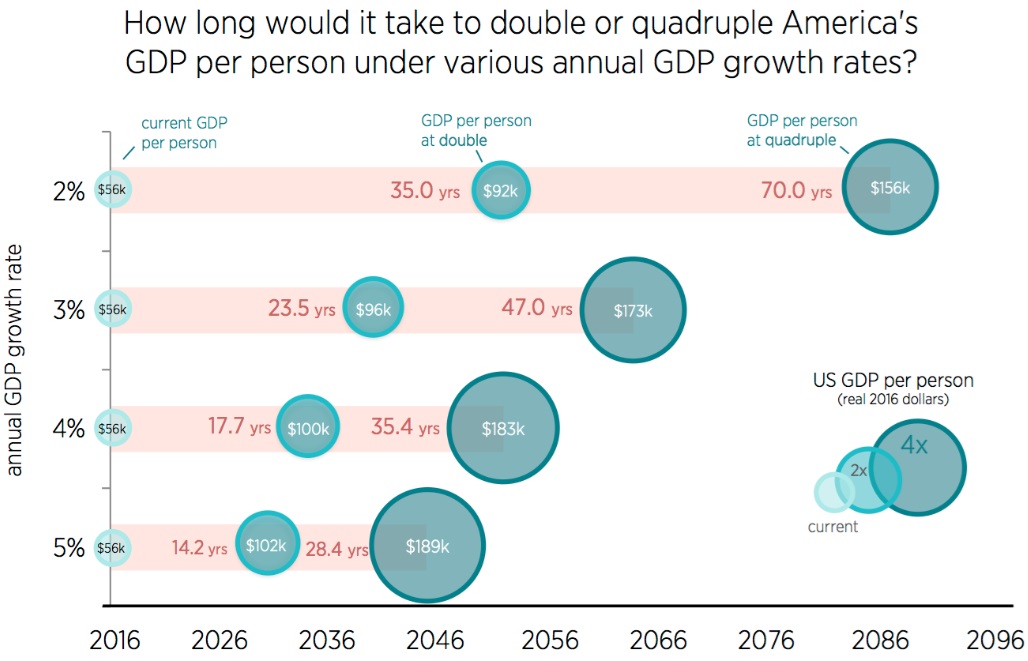
Just as trend lines are important for fiscal policy, they are perhaps even more important when looking at economic performance. Even small difference in annual growth rates, for instance, can lead to big changes in prosperity within a couple of decades. And enormous changes over longer periods of time. All of which explains why I’m […]
Leftists Against Growth: Honest, but Wrong
On electing gangsters
10 Jun 2024 Leave a comment
in comparative institutional analysis, development economics, economic history, economics of bureaucracy, economics of crime, growth disasters, growth miracles, income redistribution, law and economics, Public Choice, rentseeking Tags: economics of corruption, India
In India it’s common for politicians to have criminal cases against them. Why do voters vote for criminals? One compelling explanation provided by political scientist Milan Vaishnav is that voters often care less about their represntative’s ability to deliver broad-based development or draft good laws, and more about the effectiveness at helping them access limited […]
Haan, goonda hai, magar hamara goonda hai
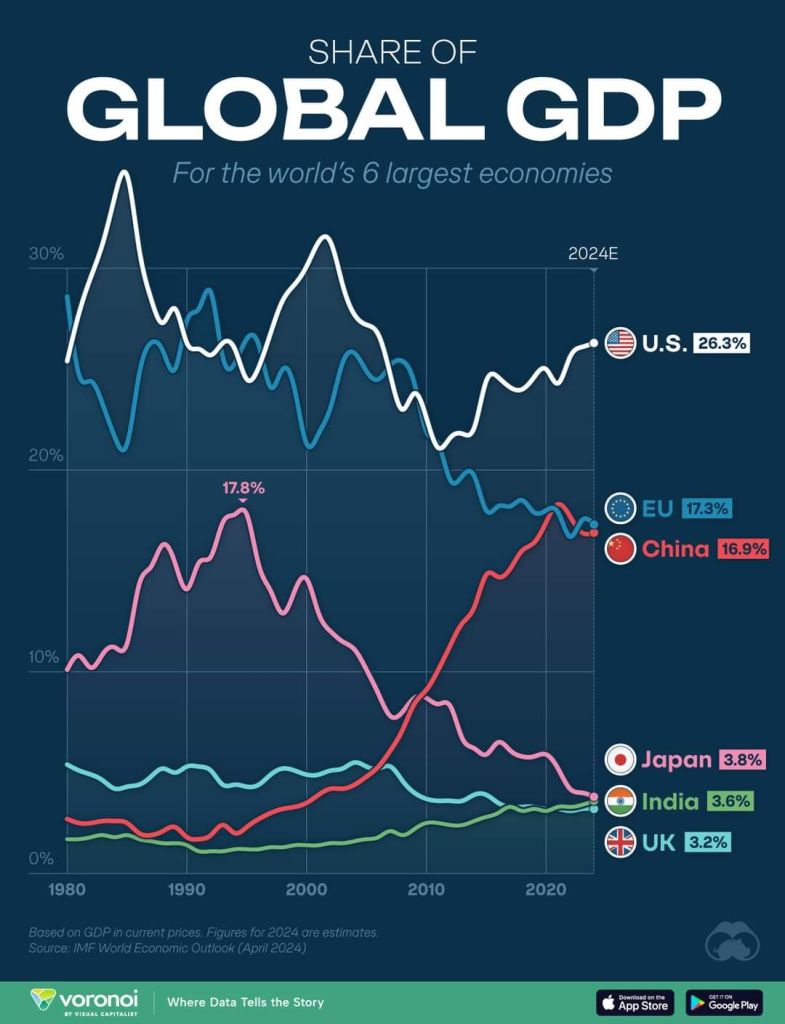
Did the British Empire REALLY Drive the Industrial Revolution? IEA Debates
06 Jun 2024 Leave a comment
in applied price theory, comparative institutional analysis, constitutional political economy, economic history, economics of bureaucracy, growth disasters, growth miracles, income redistribution, Public Choice, rentseeking Tags: Age of Discovery, age of empires, economics of colonialism
*Best Things First*
01 Jun 2024 Leave a comment
in applied price theory, applied welfare economics, development economics, growth disasters, health economics Tags: The Great Escape
The author is Bjorn Lomborg, and the subtitle is The 12 most efficient solutions for the world’s poorest and our global SDG promises. I missed this book when it first came out last year. Here is what Lomborg presents as the twelve best global investments, in no particular order: Tuberculosis Maternal and newborn health Malaria […]
*Best Things First*
Development Policies with the Best Benefit-Cost Ratios
29 May 2024 Leave a comment
in applied price theory, applied welfare economics, development economics, econometerics, growth disasters, growth miracles, public economics
In a world with lots of problems and even more proposed policies to address each of these problems, it makes sense to study the possibilities–and then to prioritize policies with highest estimated ratio of benefits to costs. The Copenhagen Consensus think tank carried out this exercise and came up with 12 policies. A special issue…
Development Policies with the Best Benefit-Cost Ratios
India, Dependency, and the 17th Theorem of Government
28 May 2024 Leave a comment
in applied price theory, development economics, economic history, financial economics, growth disasters, growth miracles, income redistribution, macroeconomics, Public Choice, public economics, rentseeking Tags: India
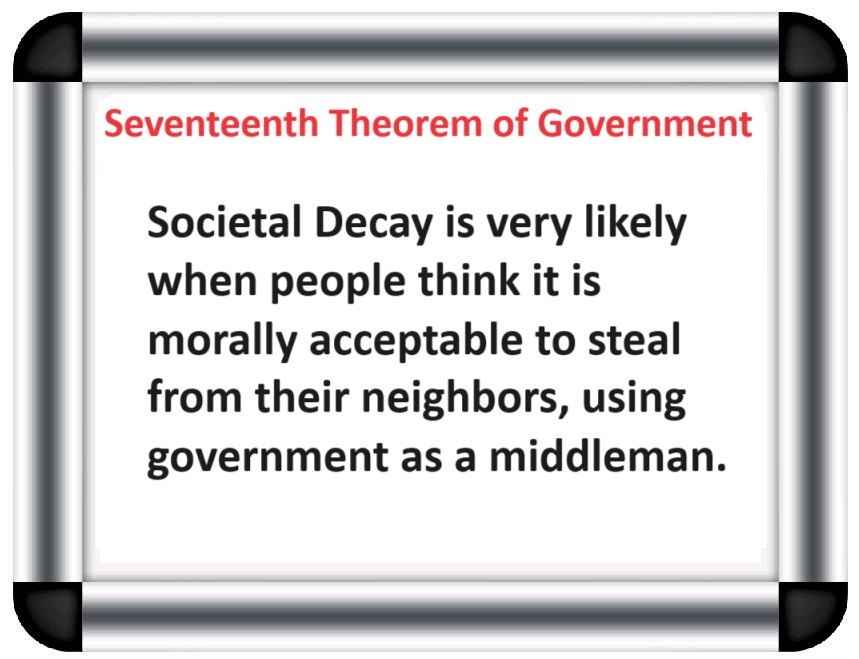
I released my First Theorem of Government in 2015 and today I’m going to unveil the 17th iteration in the series. But I’ll confess upfront that I’m doing a bit of recycling. My latest Theorem is very similar to something I shared back in 2014. I decided to upgrade my 2014 column to a Theorem […]
India, Dependency, and the 17th Theorem of Government
Green activists don’t care how many people will die from zero fossil fuel use
27 May 2024 Leave a comment
in development economics, energy economics, environmental economics, global warming Tags: climate alarmism

By Paul Homewood h/y Dennis Ambler From the NY Post: We endlessly hear the flawed assertion that because climate change is real, we should “follow the science” and end fossil fuel use. We hear this claim from politicians who favor swift carbon cuts, and from natural scientists themselves, as […]
Green activists don’t care how many people will die from zero fossil fuel use
 Utopia, you are standing in it!
Recent Comments