
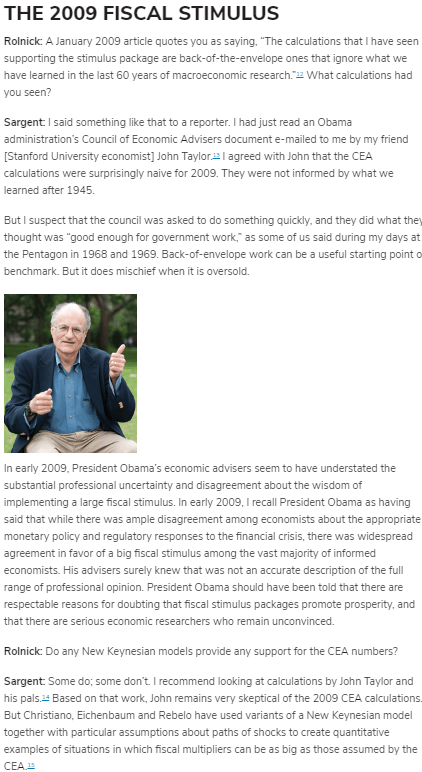
Thomas Sargent on the 2009 fiscal stimulus
12 Mar 2020 Leave a comment
in budget deficits, business cycles, econometerics, global financial crisis (GFC), great depression, great recession, history of economic thought, macroeconomics, monetary economics
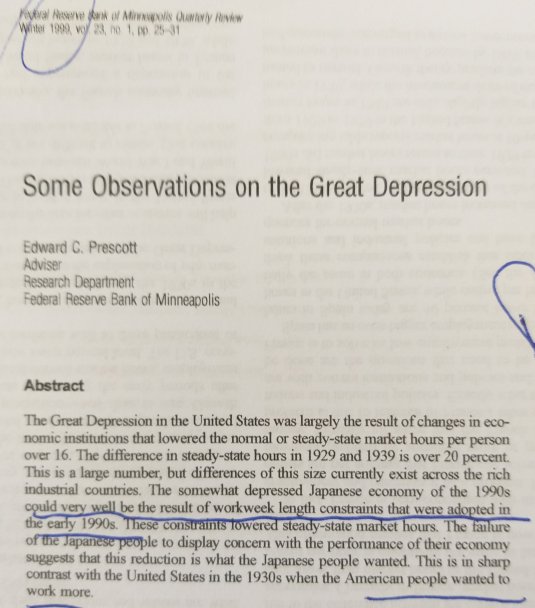

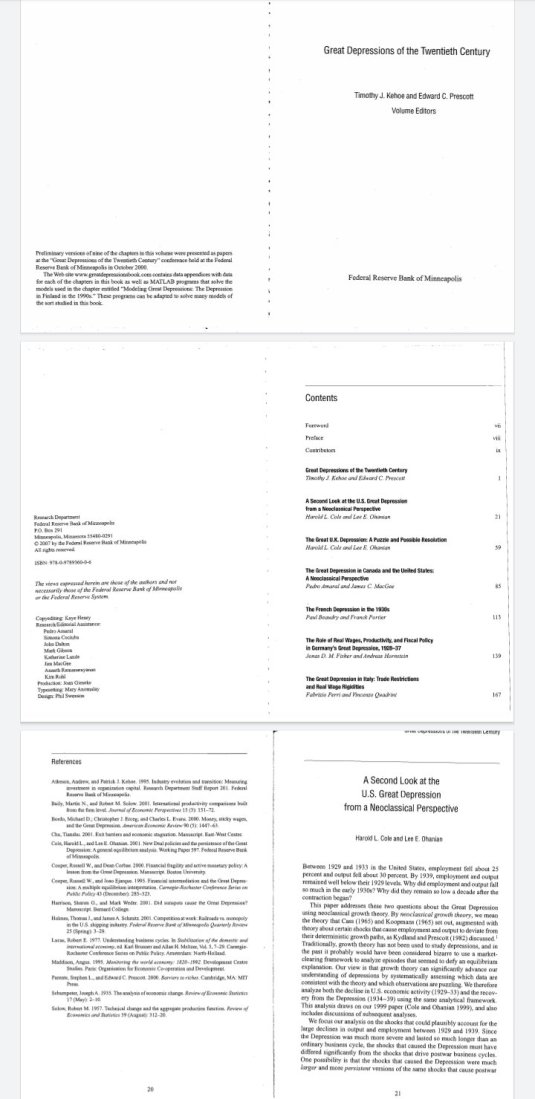
Does real business cycle theory ignore depressions?
10 Mar 2020 Leave a comment
in budget deficits, business cycles, econometerics, economic growth, economic history, Edward Prescott, Euro crisis, fiscal policy, global financial crisis (GFC), great depression, great recession, history of economic thought, labour economics, labour supply, macroeconomics, monetarism, monetary economics, public economics, Robert E. Lucas Tags: real business cycle theory
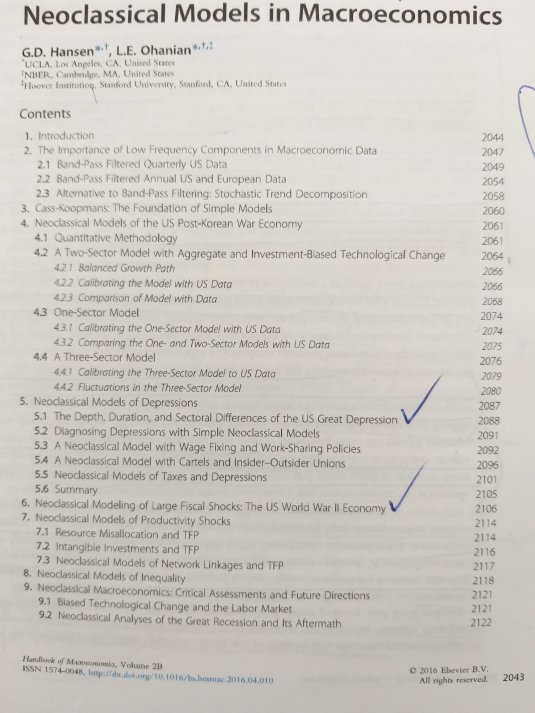
Prescott and McGrattan on intangible investment and real business cycle theory
04 Mar 2020 Leave a comment
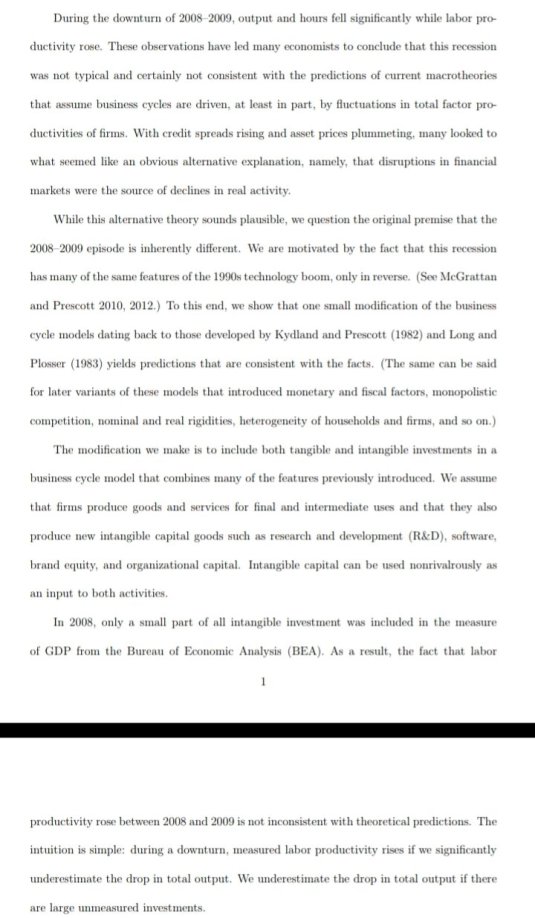
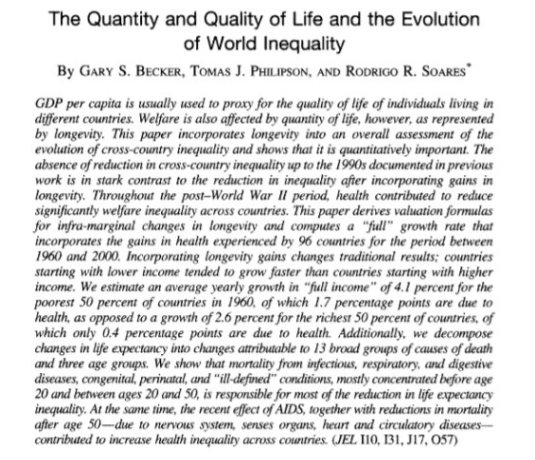
Does GDP growth overstate progress?
29 Feb 2020 Leave a comment
in development economics, econometerics, economic history, Gary Becker, growth disasters, growth miracles, health economics Tags: The Great Enrichment, The Great Escape
New classical macroeconomics and real business cycle theory are different macroeconomic schools
28 Feb 2020 Leave a comment

Does neoclassical macroeconomics rule out depressions?
27 Feb 2020 Leave a comment
in business cycles, econometerics, economic history, Edward Prescott, global financial crisis (GFC), great depression, great recession, history of economic thought, job search and matching, labour economics, labour supply, macroeconomics, monetary economics, politics - USA, public economics, Robert E. Lucas, unemployment, unions Tags: Keynesian macroeconomics, new classical macroeconomics, New Keynesian macroeconomics, real business cycle theory
Speaking of fiscal fallacies
25 Feb 2020 Leave a comment
in business cycles, econometerics, economic history, fiscal policy, macroeconomics


Ben Vollaard on an unusually personalised habitual offender law @sst_nz @NZJusticeIdeas
23 Feb 2020 Leave a comment
in applied price theory, econometerics, economics of crime, labour economics, labour supply, law and economics, occupational choice Tags: crime and punishment, criminal deterrence, law and order

When does the pause matter?
22 Feb 2020 Leave a comment
in applied welfare economics, econometerics, energy economics, environmental economics, global financial crisis (GFC)
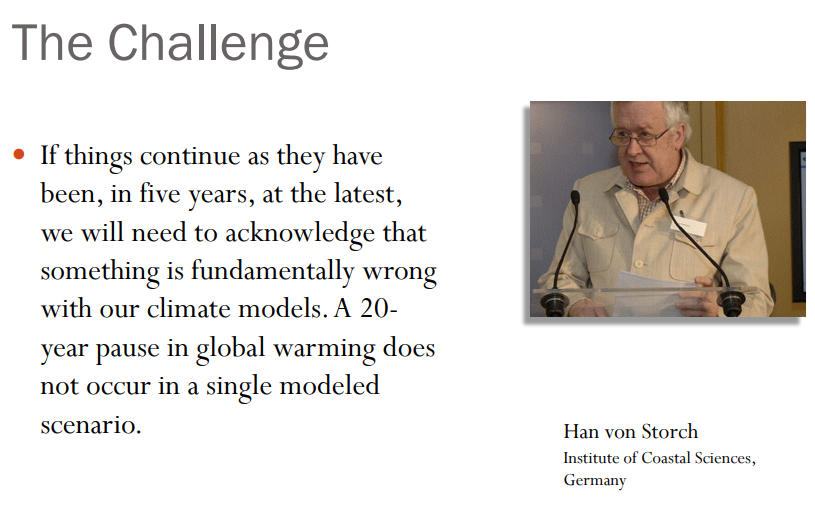
See https://www.friendsofscience.org/assets/documents/McKitrick2014_ThePause.pdf and https://www.rossmckitrick.com/uploads/4/8/0/8/4808045/model_obs_comp_nov_2019.pdf
The fact that CO2 emissions lead to changes in the atmospheric carbon concentration is not controversial. Nor is the fact that CO2 and other greenhouse gases (GHGs) absorb infrared energy in the atmosphere and contribute to the overall greenhouse effect. Increases in CO2 levels are therefore expected to lead to atmospheric warming, and this is the basis for the current push to enact policies to reduce GHG emissions.
For more than 25 years, climate models have reported a wide span of estimates of the sensitivity of the climate to CO2 emissions, ranging from relatively benign to potentially catastrophic. These continuing uncertainties have direct policy implications. Economic models for analyzing climate policy are calibrated using climate models, not climate data. In a low-sensitivity model, GHG emissions lead only to minor changes in temperature, so the socioeconomic costs associated with the emissions are minimal. In a high-sensitivity model, large temperature changes would occur, so marginal economic damages of CO2 emissions are larger.
The data show that, over the past two decades, warming has actually slowed down to a pace well below most model projections. Depending on the data set used, there has been no statistically significant temperature change for the past 15 to 20 years. Yet atmospheric GHG levels have increased rapidly over this interval, and there is now a widening discrepancy between most climate model projections and observed temperatures.
Since economic models are trained to match climate models, if climate models overstate the effect of CO2 emissions, economic models will overstate the social damages associated with them. Consequently, there is good reason to suppose that economic models too may be subject to revision over the next few years. Hence, it is essential to build into the policy framework clear feedback mechanisms that connect new data about climate sensitivity to the stringency of the emissions control policy. And since important new information about climate sensitivity is expected within a few years, there is value to waiting for this information before making any irreversible climate policy commitments, in order to avoid making costly decisions that are revealed a short time later to have been unnecessary.
 Utopia, you are standing in it!
Recent Comments