The Miami Herald reports: A stunning 10% of Cuba’s population — more than a million people — left the island between 2022 and 2023, the head of the country’s national statistics office said during a National Assembly session Friday, the largest migration wave in Cuban history. Isn’t it such a weird coincidence that the queue […]
Communism still doing well in Cuba
Communism still doing well in Cuba
05 Aug 2024 Leave a comment
in comparative institutional analysis, constitutional political economy, development economics, economic history, economics of bureaucracy, economics of crime, growth disasters, income redistribution, labour economics, labour supply, law and economics, Marxist economics, property rights, Public Choice, public economics Tags: Cuba
Talking BBB with Veronique de Rugy
03 Aug 2024 Leave a comment
in applied price theory, comparative institutional analysis, economic history, economics of bureaucracy, economics of regulation, income redistribution, law and economics, politics - USA, property rights, Public Choice, public economics, rentseeking, urban economics Tags: housing affordability, land supply
Here’s a lively AIER podcast on Build, Baby, Build with the one and only Veronique de Rugy. Best French libertarian since Bastiat? Décider vous-même!P.S. Capla-Con 2024 starts two weeks from tomorrow in Fairfax, Virginia. You’re all invited! Feel free to coordinate ride-sharing in the comments.
Talking BBB with Veronique de Rugy
Joseph Schumpeter, Capitalism and Intellectuals
01 Aug 2024 Leave a comment
in comparative institutional analysis, constitutional political economy, development economics, economic growth, economic history, history of economic thought, macroeconomics
See Socialists, Knowledge of History and Agency. These are letters to the editor of The WSJ in response to an article about socialism by Joseph Epstein. The one below reminded me of a 1992 article by Robert Samuelson in Newsweek. “Joseph Epstein’s “Socialists Don’t Know History” (op-ed, May 30, 2019) on the abysmal historical knowledge…
Joseph Schumpeter, Capitalism and Intellectuals
The Minimum Wage, Rent Control, and Vacancies or Who Searches?
31 Jul 2024 Leave a comment
in applied price theory, comparative institutional analysis, econometerics, economic history, economics of regulation, income redistribution, labour economics, labour supply, law and economics, minimum wage, politics - USA, property rights, Public Choice, regulation, rentseeking, unemployment, urban economics Tags: housing affordability, regressive left, rent control

In an interesting new paper Federal Reserve economists Marianna Kudlyak, Murat Tasci and Didem Tüzemen look at what happens to job vacancy postings when the minimum wage increases. The vacancy data in our analysis come from the job openings data from the Conference Board as a part of its Help Wanted OnLine (HWOL) data series. […]
The Minimum Wage, Rent Control, and Vacancies or Who Searches?
Venezuela under “Brutal Capitalism”
31 Jul 2024 Leave a comment
in development economics, economic history, economics of bureaucracy, economics of crime, growth disasters, income redistribution, law and economics, liberalism, Marxist economics, property rights, Public Choice, rentseeking, resource economics Tags: Venezuela
Jeffrey Clemens points us to some bonkers editorializing in the NYTimes coverage of the likely stolen election in Venezuela. The piece starts out reasonably enough: Venezuela’s authoritarian leader, Nicolás Maduro, was declared the winner of the country’s tumultuous presidential election early Monday, despite enormous momentum from an opposition movement that had been convinced this was […]
Venezuela under “Brutal Capitalism”
Thought and Details on the Fiscal Theory of the Price Level
30 Jul 2024 Leave a comment
in applied price theory, budget deficits, business cycles, economic growth, economic history, history of economic thought, labour economics, macroeconomics, monetarism, monetary economics, unemployment Tags: monetary policy

The Fiscal Theory of the Price Level has been percolating among monetary theorists for over three decades: Eric Leeper being the first to offer a formalization of the idea, with Chris Sims and Michael Woodford soon contributed to its further development. But the underlying idea that the taxation power of the state is essential for […]
Thought and Details on the Fiscal Theory of the Price Level
Karen Chhour gives her response on the Royal Commission of Inquiry into …
29 Jul 2024 Leave a comment
in economic history, economics of bureaucracy, economics of crime, law and economics, politics - New Zealand, Public Choice
Claudia Goldin with Kiana Scott: The Century-Long Fight to Close the Gen…
28 Jul 2024 Leave a comment
in applied price theory, discrimination, economic history, economics of education, gender, human capital, labour economics, labour supply, occupational choice, poverty and inequality Tags: gender wage gap, sex discrimination
28 Jul 2024 Leave a comment
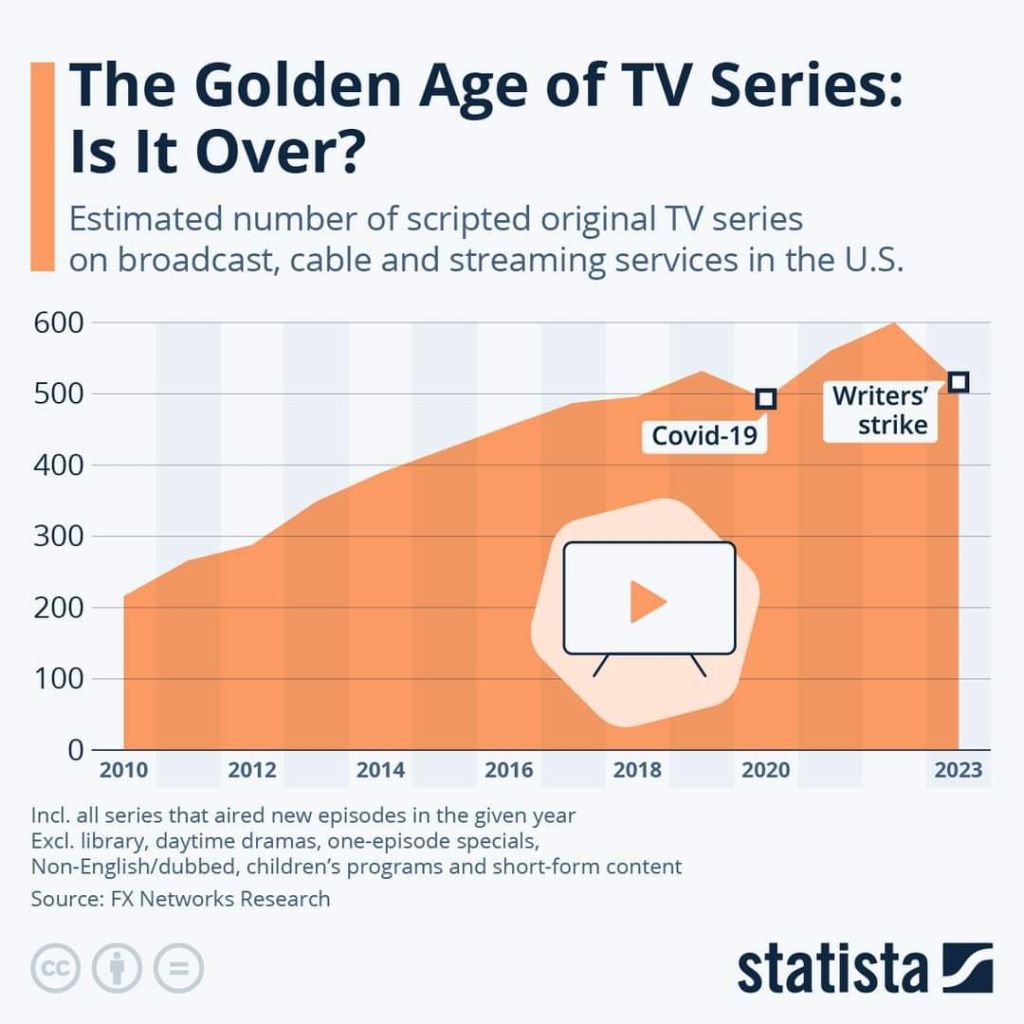
in economic history, industrial organisation, survivor principle, television Tags: creative destruction
Tikanga, law and information asymmetry
27 Jul 2024 Leave a comment
in comparative institutional analysis, constitutional political economy, economic history, law and economics, politics - New Zealand, property rights Tags: constitutional law
Justice Joe Williams in his 2013 paper Lex Aoteoroa made a case for Māori tikanga being recognized as New Zealand’s “first law”. Tikanga existed prior to New Zealand’s development of a legal system based on the British model. Without written language pre-European Māori tikanga is not well documented. However, its customs and norms governed, for […]
Tikanga, law and information asymmetry
Current state of knowledge on the Trump tax cuts
25 Jul 2024 Leave a comment
in applied price theory, econometerics, economic history, fiscal policy, macroeconomics, politics - USA, public economics Tags: taxation and entrepreneurship, taxation and investment
That is the topic of my latest Bloomberg column. Here is one summary excerpt: One result: Total tangible corporate investment went up by about 11%. That has been a welcome shot in the arm for an economy that was by some measures suffering from an investment drought. The strong state of the Biden economy may, in…
Current state of knowledge on the Trump tax cuts
MICHAEL BASSETT: DEALING WITH TODAY’S SMALL, RAUCOUS, CRAZY MAORI FRINGE
22 Jul 2024 Leave a comment
in comparative institutional analysis, economic history, income redistribution, International law, law and economics, politics - New Zealand, property rights, Public Choice, rentseeking Tags: constitutional law, Maori economic development
Anyone watching and trying to understand last Sunday’s Q&A where Jack Tame interviewed Debbie Ngarewa-Packer will realise that she seems to be beyond reason. Tame tried to examine bits of her blather and her obvious misuse of words, but she immediately slithered like an eel under a rock and made louder assertions about how Maori “korero”…
MICHAEL BASSETT: DEALING WITH TODAY’S SMALL, RAUCOUS, CRAZY MAORI FRINGE
Hollywood evidence on McCarthyism
21 Jul 2024 Leave a comment
in economic history, economics of media and culture, law and economics, liberalism, Marxist economics, movies, politics - USA Tags: free speech, political correctness, regressive left
There is a new NBER working paper on this topic by Hui Ren Tan and Tianyi Wang, here is the abstract: We study a far-reaching episode of demagoguery in American history. From the late 1940s to 1950s, anti-communist hysteria led by Senator Joseph McCarthy and others gripped the nation. Hundreds of professionals in Hollywood were […]
Hollywood evidence on McCarthyism
Did The Guardian Just Blow Up the Exxon Knew Narrative?
20 Jul 2024 Leave a comment
in economic history, economics of media and culture, energy economics, environmental economics, global warming Tags: conspiracy theories
So much for the big secret big oil conspiracy. Marathon Oil published an article in 1977 in a company periodical suggesting CO2 might cause mass starvation.
Did The Guardian Just Blow Up the Exxon Knew Narrative?
The House of Commons Chamber and the Politics of Seating
18 Jul 2024 Leave a comment
in economic history Tags: British politics

Parliament will be officially opened this week and debates will begin once again in the House of Commons. But with the Labour party winning such a large majority in the 2024 General Election, some of their Members may be left wondering- where should I sit? Emeritus Director of the History of Parliament, Dr Paul Seaward, […]
The House of Commons Chamber and the Politics of Seating
 Utopia, you are standing in it!
Recent Comments