Deirdre McCloskey: What Is Classical Liberalism? | Robinson’s Podcast #145
17 Jan 2024 Leave a comment
in applied price theory, applied welfare economics, comparative institutional analysis, economic history, economics of climate change, energy economics, environmental economics, global warming, history of economic thought, law and economics, liberalism, libertarianism, Marxist economics, political change, Public Choice, public economics
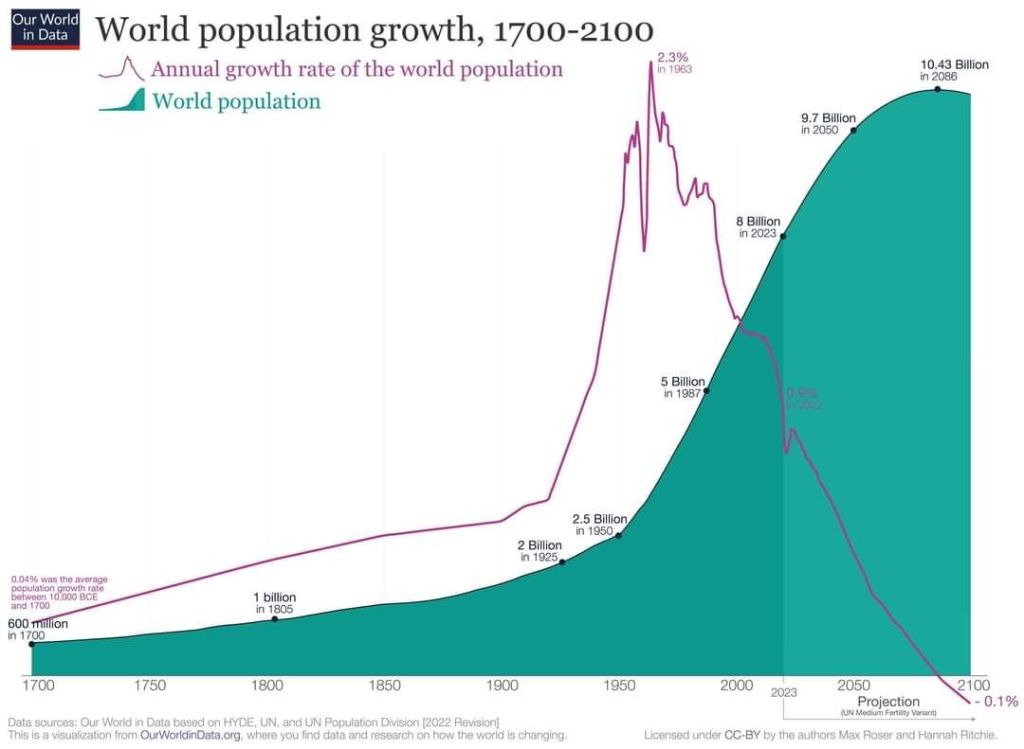
The population bomb
17 Jan 2024 Leave a comment
in economic history, labour economics, labour supply, population economics Tags: ageing population
Speaking of ice ages
16 Jan 2024 Leave a comment
in economic history, energy economics, environmental economics, global warming Tags: Arctic ice caps, climate alarmism

📸 Look at this post on Facebook
https://www.facebook.com/share/p/vXKARuwRfcX4Tbvj/?mibextid=RXn8sy
The Right and Wrong Way to Reduce Poverty, Part II
16 Jan 2024 Leave a comment
in applied price theory, economic history, human capital, income redistribution, labour economics, labour supply, occupational choice, politics - USA, poverty and inequality, Public Choice, public economics, welfare reform Tags: child poverty, family poverty
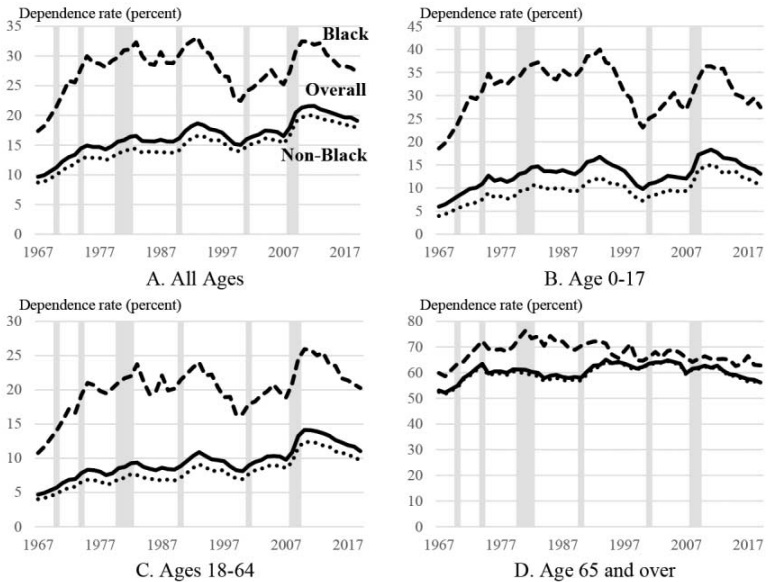
In Part I of this series, I explained that the War on Poverty, launched by Lyndon Johnson and expanded by other profligate presidents, has been bad news for both taxpayers and poor people. More specifically, I shared some academic research showing how it led to a big increase in dependency on government. Let’s expand on […]
The Right and Wrong Way to Reduce Poverty, Part II
Family leave and the gender wage gap
16 Jan 2024 Leave a comment
in applied price theory, discrimination, econometerics, economic history, gender, human capital, labour economics, labour supply, occupational choice, poverty and inequality Tags: economics of fertility, family leave, gender wage gap, marriage and divorce, sex discrimination

The gender wage gap has been decreasing slowly and steadily over time. At least, that’s what I thought until I read this 2023 NBER Working Paper by Peter Blair (Harvard University) and Benjamin Posmanick (St. Bonaventure University). They present the following graph of the gender wage gap in the US (for White women, compared with White men,…
Family leave and the gender wage gap
Me too
15 Jan 2024 Leave a comment
in economic history, economics of media and culture Tags: recycling

Mattei Misjudges Hawtrey
15 Jan 2024 Leave a comment
in budget deficits, business cycles, economic growth, economic history, fiscal policy, great depression, history of economic thought, macroeconomics, monetary economics
Clara Mattei, associate professor of economics at the New School for Social Research, recently published a book, The Capital Order: How Economists Invented Austerity and Paved the Way to Fascism, (University of Chicago Press) in which she argues that the fiscal and monetary austerity imposed on Great Britain after World War I to restore the […]
Mattei Misjudges Hawtrey
What Economics Gets Wrong Today – David Friedman | Podcast EP 29
15 Jan 2024 Leave a comment
in applied price theory, comparative institutional analysis, constitutional political economy, David Friedman, economic history, economics of crime, energy economics, environmental economics, global warming, history of economic thought, law and economics, liberalism, libertarianism, market efficiency, Marxist economics, Milton Friedman, property rights
Bloomberg: “Don’t be Fooled, Snow is Becoming a Thing of the Past”
13 Jan 2024 Leave a comment
in economic history, energy economics, environmental economics, global warming

Ignore your lying eyes, what you are seeing is frozen heaps of global warming?
Bloomberg: “Don’t be Fooled, Snow is Becoming a Thing of the Past”
Productivity woes….continued
10 Jan 2024 Leave a comment
in economic growth, economic history, entrepreneurship, labour economics, labour supply, macroeconomics, politics - New Zealand

In my post on Monday I drew attention (again) to the fact that New Zealand has made no progress at all in reversing the decline in relative economywide productivity (relative to other advanced countries) since what was hoped to be a turning point, with the inauguration of widespread economic reforms after the 1984 election. If anything, […]
Productivity woes….continued
40 years on
08 Jan 2024 Leave a comment
in applied price theory, applied welfare economics, comparative institutional analysis, economic growth, economic history, fiscal policy, inflation targeting, international economics, labour economics, macroeconomics, monetary economics, politics - New Zealand
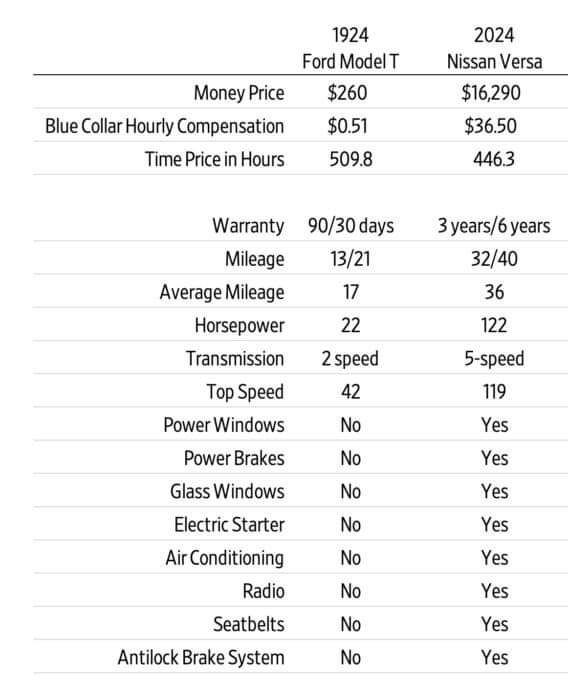
Not much of a warranty period
06 Jan 2024 Leave a comment
in economic history, entrepreneurship Tags: The Great Enrichment
📸 Look at this post on Facebook
https://www.facebook.com/share/9aLTyR31SiHD9XBt/?mibextid=RXn8sy
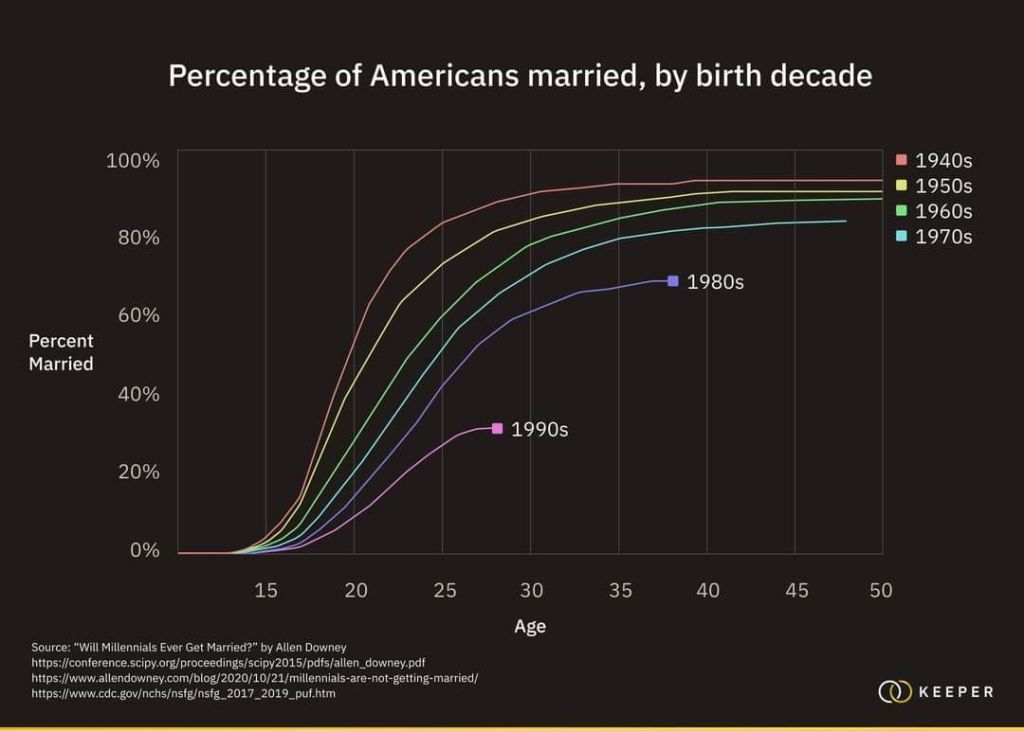
Take me to the alter
06 Jan 2024 Leave a comment
in economic history, economics of love and marriage, labour economics, law and economics Tags: marriage and divorce
📸 Look at this post on Facebook
https://www.facebook.com/share/V6pZgEzairPa9HEn/?mibextid=RXn8sy
The authorities officially referred to the Berlin Wall as the Anti-Fascist Protection Rampart
06 Jan 2024 Leave a comment
in applied price theory, Austrian economics, comparative institutional analysis, constitutional political economy, development economics, economic history, growth disasters, growth miracles, history of economic thought, liberalism, Marxist economics Tags: fall of the Berlin wall, The Great Enrichment

Christian missions and HIV in Africa
05 Jan 2024 Leave a comment
in development economics, economic history, health economics Tags: AIDS, economics of colonialism
Spreading Christianity was seen by the colonial powers as a way of civilising the native populations in Africa. Indeed, in 1857 David Livingstone wrote that “neither civilization nor Christianity can be promoted alone. In fact, they are inseparable” (see here). Among the many effects of colonisation, the spread of Christianity is seen as one of…
Christian missions and HIV in Africa
 Utopia, you are standing in it!
Recent Comments