Spreading Christianity was seen by the colonial powers as a way of civilising the native populations in Africa. Indeed, in 1857 David Livingstone wrote that “neither civilization nor Christianity can be promoted alone. In fact, they are inseparable” (see here). Among the many effects of colonisation, the spread of Christianity is seen as one of…
Christian missions and HIV in Africa
Christian missions and HIV in Africa
05 Jan 2024 Leave a comment
in development economics, economic history, health economics Tags: AIDS, economics of colonialism
Creative destruction
05 Jan 2024 Leave a comment
in development economics, economic history, growth miracles, international economics
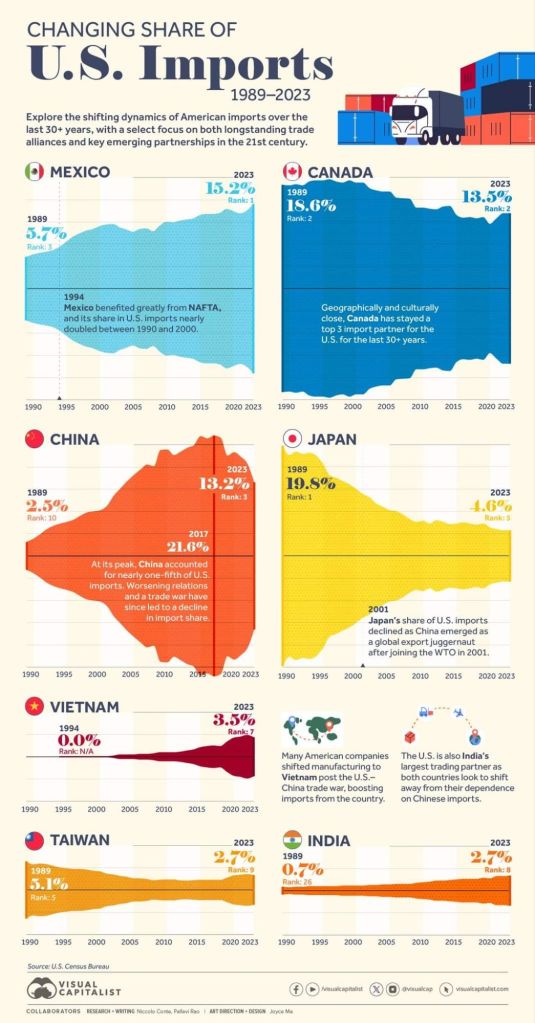
📸 Look at this post on Facebook
https://www.facebook.com/share/TgCAeEMNorGerYDm/?mibextid=RXn8sy
The Bottom Billion: Why the Poorest Countries are Failing and What Can Be Done About It by Paul Collier (2007)
05 Jan 2024 Leave a comment
in applied price theory, defence economics, development economics, economic history, growth disasters, history of economic thought, war and peace Tags: Africa
Catching up is about radically raising growth in the countries now at the bottom…This book sets out an [aid] agenda for the G8 that would be effective. (The Bottom Billion, pages 12 and 13) Sir Paul Collier, Commander of the British Empire (CBE) and Fellow of the British Academy (FBA) is a British development economist […]
The Bottom Billion: Why the Poorest Countries are Failing and What Can Be Done About It by Paul Collier (2007)
New Rule: From the River to the Sea | Real Time with Bill Maher (HBO)
04 Jan 2024 Leave a comment
in economic history, International law, law and economics, liberalism, Marxist economics, property rights, televison, TV shows Tags: free speech, Gaza Strip, Israel, Middle-East politics, political correctness, regressive left, war against terror
Wrong from the start:
04 Jan 2024 Leave a comment
in economic history, labour economics, labour supply, population economics, poverty and inequality Tags: capitalism and freedom, The Great Enrichment, The Great Escape, The Great Fact
In 1798, Thomas Malthus told the world to expect collapse – “Population, when unchecked, increases in a geometrical ratio. Subsistence increases only in an arithmetical ratio.”
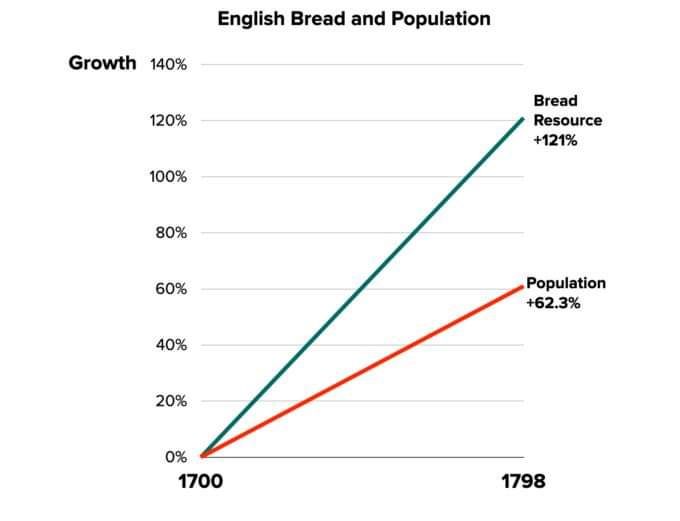
04 Jan 2024 Leave a comment
in applied welfare economics, economic history, environmental economics, global warming Tags: climate alarmism
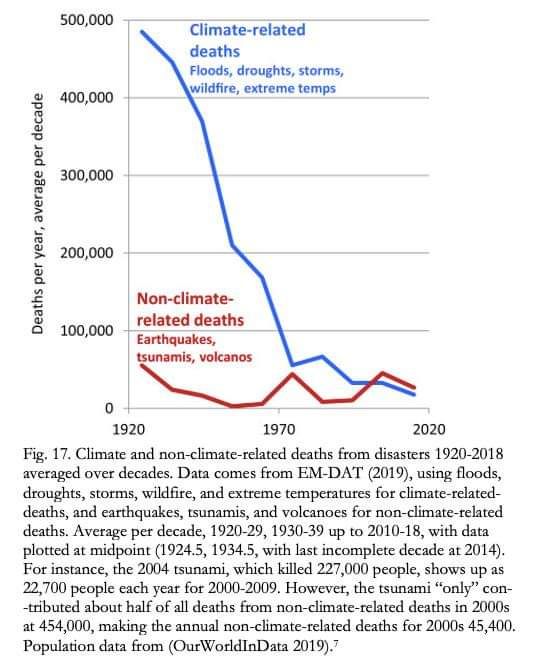
📸 Look at this post on Facebook
https://www.facebook.com/share/vgwUyVUuHEtTgyif/?mibextid=RXn8sy
When Fewer People Answer Surveys, What Should Government Statisticians Do?
04 Jan 2024 Leave a comment
in econometerics, economic history

Back in 1790, when Congress was arguing about process for the first Census, one argument was that the Census should limit itself to counting heads, for purposes of determining how many representatives each state should receive. But James Madison argued that it was important to seize the opportunity of the Census to gather additional information,…
When Fewer People Answer Surveys, What Should Government Statisticians Do?
Economic underperformance
03 Jan 2024 Leave a comment
in economic growth, economic history, macroeconomics

With both the annual and quarterly national accounts data having come out recently it is time for a quick update of some old charts. First, labour productivity (real GDP per hour worked). This chart is from the period since just prior to Covid, and for both New Zealand and Australia If you want some slight consolation, […]
Economic underperformance
Quotation of the Day…
01 Jan 2024 Leave a comment
in applied price theory, Austrian economics, behavioural economics, economic history, history of economic thought, human capital, industrial organisation, labour economics, labour supply, occupational choice Tags: capitalism and freedom, evolutionary psychology, The Great Enrichment
Tweet… is from my emeritus Nobel-laureate colleague Vernon Smith‘s splendid speech “Human Betterment Through Globalization,” delivered in September 2005 at the Irvington-on-Hudson then-headquarters of the Foundation for Economic Education: The challenge is that we all function simultaneously in two overlapping worlds of exchange. First, we live in a world of personal, social exchange based on…
Quotation of the Day…
The Great Fact
01 Jan 2024 1 Comment
in development economics, economic history, growth miracles, health economics, liberalism, Marxist economics Tags: child mortality, infant mortality, The Great Enrichment
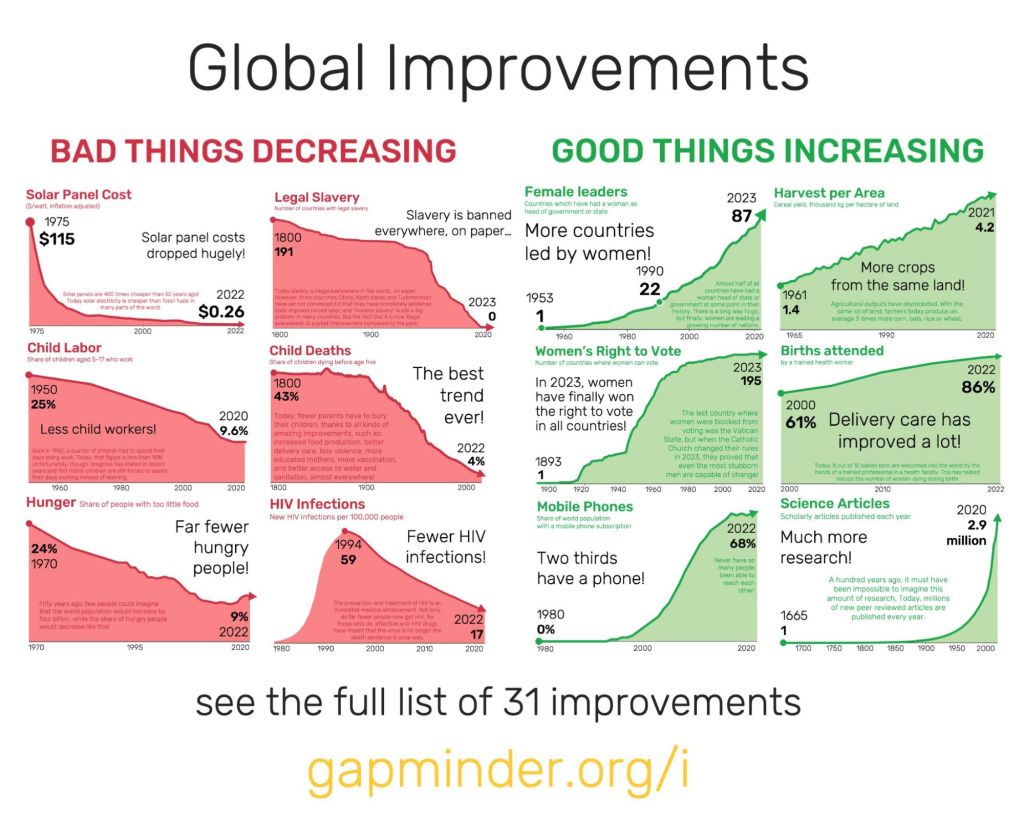
Solow on Market Advantages and Market Failures
31 Dec 2023 Leave a comment
in applied price theory, business cycles, economic growth, economic history, economics of regulation, entrepreneurship, history of economic thought, labour economics, macroeconomics, Milton Friedman, monetarism, monetary economics, unemployment
Robert Solow (1924-2023) died last week. As a starting point for understanding his life and his work on growth theory, the Nobel prize website, since he won the award in 1987, includes an overall description, a biographical essay, and his Nobel lecture. I can also strongly recommend an interview that Steven Levitt carried out with…
Solow on Market Advantages and Market Failures
Entrepreneurship
31 Dec 2023 Leave a comment
in economic history, entrepreneurship, industrial organisation, sports economics, survivor principle Tags: entrepreneurship

📸 Look at this post on Facebook
https://www.facebook.com/share/oodJT3KzFfpEQd4n/?mibextid=RXn8sy
How Were So Many Economists So Wrong About the Recession?
30 Dec 2023 Leave a comment
in budget deficits, business cycles, economic growth, economic history, fiscal policy, labour economics, macroeconomics, monetary economics, unemployment Tags: monetary policy
That is the topic of my latest Bloomberg column, I thought it was time to call out all the Orwellian rewriting of intellectual history going on, so here goes: As Treasury Secretary Janet Yellen said last week: “So many economists were saying there’s no way for inflation to get back to normal without it entailing a […]
How Were So Many Economists So Wrong About the Recession?
30 Dec 2023 Leave a comment
in development economics, economic history, health economics Tags: child mortality, life expectancies, The Great Enrichment, The Great Escape
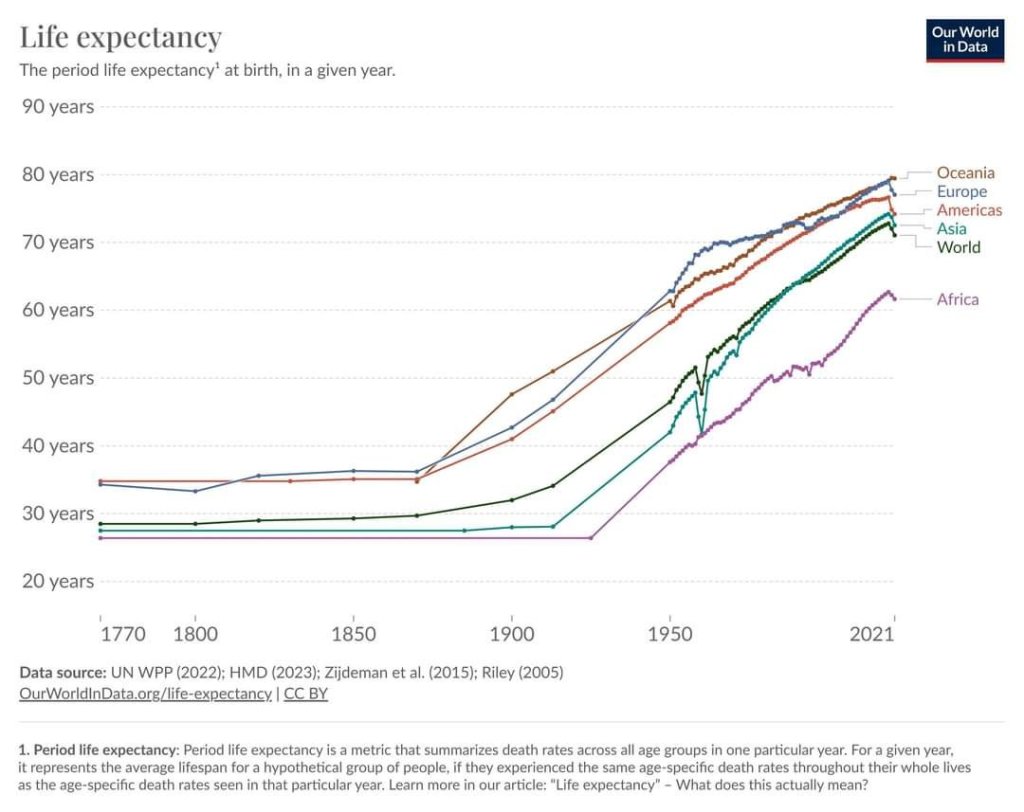
📸 Look at this post on Facebook
https://www.facebook.com/share/doTq9zZS6ghpN67q/?mibextid=RXn8sy
The Worst Journalism of 2023
29 Dec 2023 Leave a comment
in budget deficits, business cycles, development economics, economic history, fiscal policy, growth disasters, macroeconomics, monetarism, monetary economics Tags: Argentina
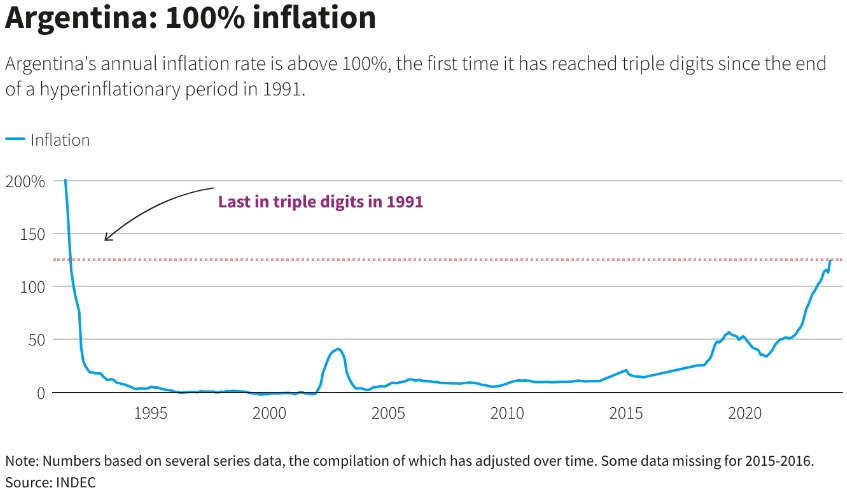
Writing about the economic tragedy of Argentina, I’ve explained that one major problem is inflation, thanks to that country’s version of “modern monetary theory.” This is not a trivial problem. Here’s a chart, from a recent report by Reuters, showing how prices have been rising for nearly 10 years and skyrocketing for the past three […]
The Worst Journalism of 2023
 Utopia, you are standing in it!
Recent Comments