

Democracy and Political Ignorance: Why Smaller Government Is Smarter
11 Jun 2016 Leave a comment
in applied price theory, applied welfare economics, comparative institutional analysis, constitutional political economy, economics, economics of information, income redistribution, Public Choice, public economics, rentseeking Tags: rational ignorance, rational irrationality, voter demographics
Murray Rothbard on how John Kenneth Galbraith makes his case
05 Jun 2016 Leave a comment
in economics of information, history of economic thought, Murray Rothbard

One of the rich countries so glum
28 May 2016 Leave a comment
in development economics, economic history, economics, economics of information, economics of media and culture, growth miracles Tags: pessimism bias, The Great Escape, The Great Fact
Hillary Clinton lying for 13 minutes straight
20 May 2016 Leave a comment
in economics of information, economics of media and culture, politics - USA Tags: 2016 presidential election

Solutions to Moral Hazard
18 May 2016 Leave a comment
in economics of information, industrial organisation Tags: moral hazard
Be careful for what you wish for when using irrationality as a rationale for the scope of government
07 May 2016 Leave a comment
in applied price theory, comparative institutional analysis, constitutional political economy, economics of information, Public Choice Tags: behavioural public choice, growth of government, rational irrationality, size of government

Source: Gary Lucas and Slavisa Tasic‘s "Behavioral Public Choice and the Law" (West Virginia Law Review, 2015) via Bryan Caplan
Asymmetric Information and Used Cars
05 May 2016 Leave a comment
in economics of information, industrial organisation Tags: asymmetric information
#MorganFoundation errors about @nzinitiative’s Health of the State – part 1
22 Apr 2016 3 Comments
in economics of information, economics of regulation, health economics, law and economics, politics - New Zealand Tags: Aaron Director, alcohol regulation, economics of obesity, economics of prohibition, economics of smoking, meddlesome preferences, Morgan Foundation, nanny state
The Greens have joined that Morgan Foundation in playing the man rather than the ball on the recently published report of the New Zealand Initiative on sin taxes. Green Party health spokesperson Kevin Hague said:
The New Zealand Initiative cares more about junk-food barons’ bottom lines than it cares about Kiwis who are getting sick and dying because of obesity-related illnesses
The Morgan Foundation was just as keen to argue that their opponents on sin taxes are both ignorant and steeped in moral turpitude as a way of avoiding substantive argument:
The New Zealand Initiative are not interested in reducing obesity, or preventing the looming diabetes crisis where 1 in 3 Kiwis will have the disease. They make no attempt to understand the causes, and don’t propose any way to deal with these issues…
Is there no room for honest disagreement and different views on the ability of further government intervention to be a net benefit? As Aaron Director said:
Laissez-faire is no more than a slogan in defence of the proposition that every extension of state activity should be examined under the presumption of error.
One of the specific claims by the Morgan Foundation that seems to be in error is:
In fact, the report seems devoid of any research outside a narrow economic focus. The food industry has funded an enormous amount of psychological research on how to influence people to eat more junk food through packaging, advertising, product placement etc, much of which is publicly available, but which the New Zealand Institute has roundly ignored. Ironic, given that they funded by the same organisations that funded this psychological research.
The Food industry’s own research shows our choices are hugely influenced by the environment that surrounds us, but the New Zealand Institute conveniently prefers to cling to the oversimplification that we are all rational economic units – known as homo economicus.
The report of the New Zealand Initiative has a nice discussion of the limitations of rationality which did not weigh as heavily as it should in the critique by the Morgan Foundation part of which is in the snapshot below:

Source: Jenesa Jeram, The Health of the State, The New Zealand Initiative ( April 2016, p.10).
SPECIFIC TYPES OF IRRATIONALITY THAT CAUSE GOVERNMENT FAILURE
21 Apr 2016 Leave a comment
in applied price theory, comparative institutional analysis, constitutional political economy, economics of bureaucracy, economics of information, Public Choice Tags: behavioural public choice, growth of government, rational irrationality, size of government
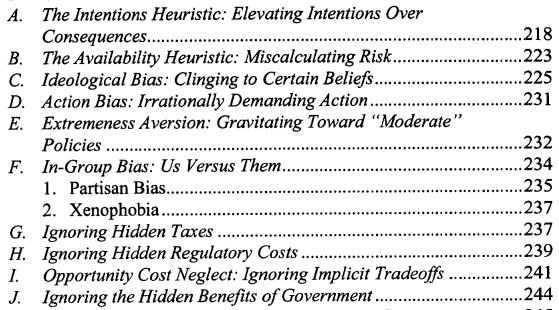
Source: Gary Lucas and Slavisa Tasic‘s "Behavioral Public Choice and the Law" (West Virginia Law Review, 2015) via Bryan Caplan
#Morganfoundation discovers that #Ukraine is a dodgy place to buy credence goods
19 Apr 2016 Leave a comment
in economics of climate change, economics of crime, economics of information, environmental economics, global warming, industrial organisation, international economic law, international economics, International law, law and economics, politics - New Zealand, survivor principle Tags: adverse selection, asymmetric information, carbon trading, climate alarmism, climate alarmists, credence goods, experience goods, inspection goods
Morgan Foundation yesterday put out a report pointing out that many of the carbon credits purchased from the Ukraine under the carbon trading scheme are fraudulent.
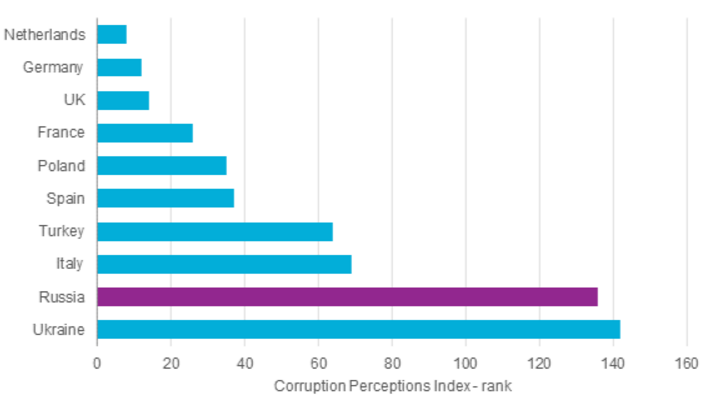
That comes with no surprise to anyone vaguely familiar with business conditions and the level of official corruption in the former Soviet Union. Russia is a more honest place to do business.
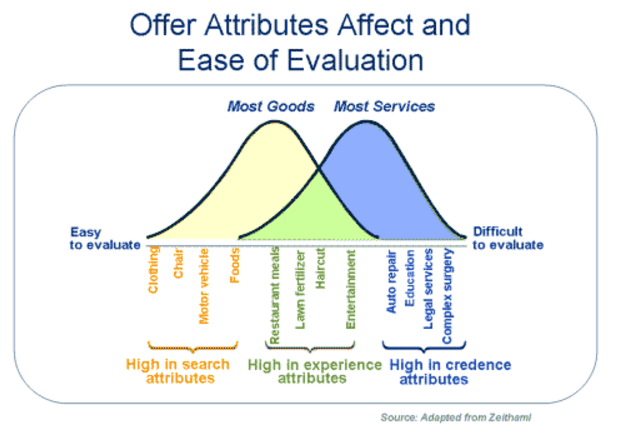
Carbon traders who buy from the Ukraine are not buying an inspection good. An inspection good is a good whose quality you can ascertain before purchase.

They are not buying an experience good. An experience good is a good whose quality is ascertained after purchase in the course of consumption.

Source: Russia, Ukraine dodgy carbon offsets cost the climate – study | Climate Home – climate change news.
What these carbon traders in New Zealand are doing is buying credence goods from the Ukraine. The credence goods are the carbon credits, which the Morgan Foundation and others have found often to be fraudulent.
A credence good is a good whose value is difficult or impossible for the consumer to ascertain. A classic example of a credence good is motor vehicle repairs.
You must trust the seller and their advice as to how much you need to buy of a credence good. Many forms of medical treatment also require you to trust the seller as to how much you need.
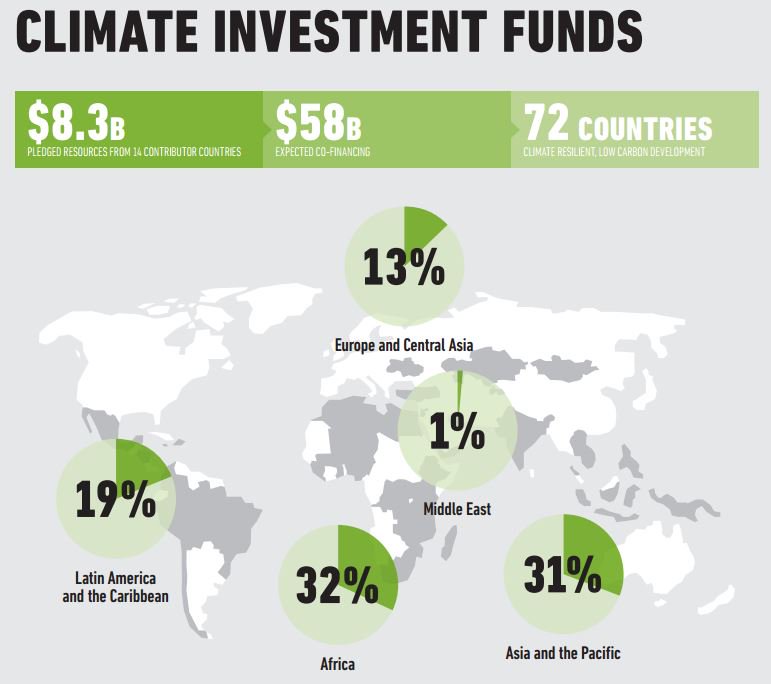
Carbon credits are such a credence good. You know there is corruption in the Ukraine and many other countries that supply them. You may never know at any reasonable cost whether the specific carbon credits you buy were legitimate.
The reason why carbon credits are purchased from such an unreliable source is expressive voting. As is common with expressive politics, what matters is whether the voters cheer or boo the policy. The fact whether it works or not does not matter too much.
The Greens are upset about this corruption in carbon trading. They did not mention the corruption in international carbon trading and climate aid when they welcomed the recent Paris treaty on global warming but that is for another day.
https://twitter.com/kadhimshubber/status/721831502372302849
Co-ordinated international action on global warming is rather pointless if some of the key countries with carbon emission caps are corrupt, which they are.
As Geoff Brennan has argued, CO2 reduction actions will be limited to modest unilateral reductions of a largely token character. There are many expressive voting concerns that politicians must balance to stay in office and the environment is but one of these.

Once climate change policies start to actually become costly to swinging voters, expressive voting support for these policies will fall away, and it has.
Networked Carbon Markets

Source: World Bank Networked Carbon Markets.
One way to stem that fading support is to buy carbon credits on the cheap and there is plenty of disreputable suppliers of cheap carbon credits. Buying dodgy carbon credits as a way of doing something on global warming without it costing more than expressive voters will pay.
One of the predictions of the adverse selection literature is that if consumers cannot differentiate good and bad goods from each other, such as with used cars, the market will contract sharply or even collapse because buyers cannot trust what is on offer. This risk of adverse selection undermining a market applies with clarity to carbon trading.

Source: How Can Your Vote Shape a Low Carbon Future? It Starts with Carbon Pricing.


Recent Comments