Javier Milei has generated amazingly good results in just 20 months. But more reform is needed to undo the damage of 80 years of Peronism, which is why I explain that Argentina’s mid-term elections will be very important. Milei wants to turn Argentina into the world’s freest economy. That won’t be possible so long as […]
Winston Peters announced: Cabinet has formally agreed this week to the closure of the greyhound racing industry in New Zealand. A bill will be drafted to bring this decision into law. The move follows last December’s announcement of the Government’s in-principle decision to end greyhound racing as of 31 July 2026. The decision was made […]
New Zealand will be banning greyhound racing. The Bill to formally end greyhound racing will be introduced to Parliament later this year. The public will be able to make submissions to the select committee as part of the process.“It is important people get the opportunity to have their say. The decision to end greyhound racing was…
I’m back in Argentina, the South American country with the world’s best leader. What Javier Milei has accomplished is amazing. And the economic effects have been wonderful. One of my meetings earlier this week was with Marcelo Elizondo, the head of the International Chamber of Commerce for Argentina. He shared a presentation with me that […]
EID covers the legal thrashing visited upon Charleston plaintiffs seeking a judgment punishing Big Oil for their role in climate misfortunes. The article is Judge Shuts Down Charleston Climate Case, Warns of “Boundless” Liability. Excerpts in italics with my bolds and added images. A South Carolina judge has dismissed Charleston’s climate lawsuit, delivering a decisive setback […]
The Tenth Circuit handed down a notable opinion this week in Poe v. Drummond, upholding Oklahoma’s law prohibiting gender transition procedures for anyone under eighteen. The opinion by Judge Joel Carson (joined by Judges Harris Hartz and Gregory Phillips) concluded that parental rights do not trump a state’s determination of what are safe treatments for […]
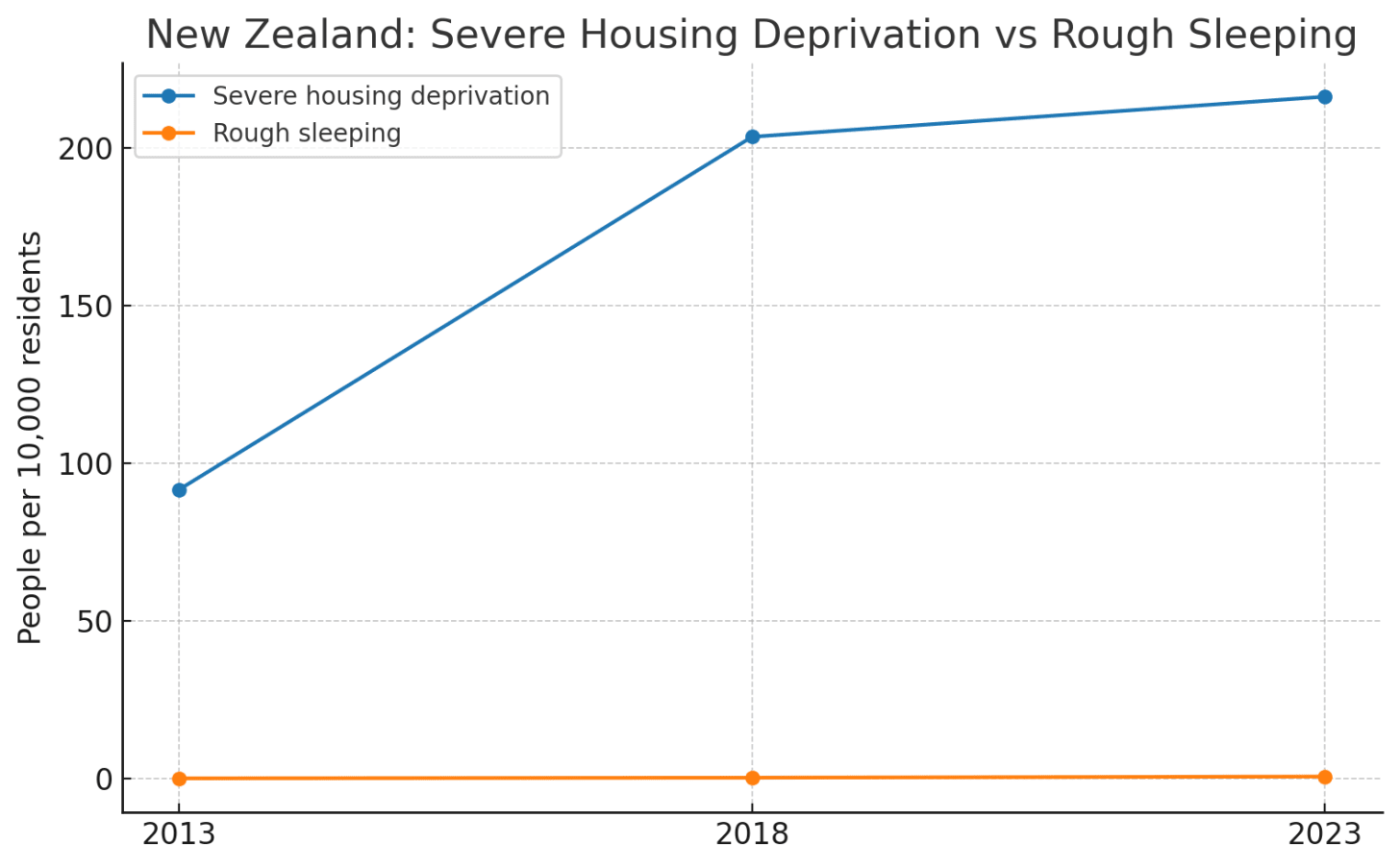
Ani O’Brien writes – Chlöe Swarbrick wants you to believe the Government is intentionally increasing homelessness. She told RNZ’s Mata with Mihingarangi Forbes: “The only conclusion that I can really come to is that this Government has intentionally increased homelessness…” It’s the kind of soundbite that plays well on social media. Outrage travels faster than nuance, and a […]
Another blow against free speech in Canada reported in rightforcanada article Carney defends internet censorship bill, tells Canadians to rely on CBC for news. Excerpts in italics with my bolds and added images. PM Mark Carney dismissed concerns over Bill C-18’s restrictions on sharing news on social media, promoting the Liberal-funded CBC as the primary […]
By Tarnell Brown. At EconLog.”The Roman Empire was in trouble. During the fifty-plus years known as the Crisis of the Third Century (235-284 AD), the throne of Rome changed some 26 times, with the Roman Army engaging in a steady diet of crowning and removing claimants to the throne. These autocrats, known as “barracks emperors,”…
Graham Adams writes – After NZ First leapfrogged Act last month in a Taxpayers’ Union-Curia poll — which led to much media excitement about the party’s rising fortunes — it seemed odd for Winston Peters to be quite so tetchy with journalists seeking his opinion on David Seymour’s views on karakia, traditional Māori prayers or incantations […]
The Department of the Interior (DOI) moved to deal another blow to the green energy industry Friday, announcing that it will consider energy projects’ capacity density and the environmental impacts before permitting them, singling out wind and solar.
In Massive Rent-Seeking in India’s Government Job Examination System I argued that the high value of government jobs has distorted India’s entire labor market and educational system. India’s most educated young people—precisely those it needs in the workforce—are devoting years of their life cramming for government exams instead of working productively. These exams cultivate no […]
Democrat Zohran Mamdani is likely to be the next mayor of NYC, as he proffered a number of campaign promises that delighted progressives young and old. (This is besides his pro-Palestinian stand on the Gaza war, which is irrelevant to his actions as NYC mayor but still delighted the benighted.) Here are a few of […]
Why Evolution is True is a blog written by Jerry Coyne, centered on evolution and biology but also dealing with diverse topics like politics, culture, and cats.
“We do not believe any group of men adequate enough or wise enough to operate without scrutiny or without criticism. We know that the only way to avoid error is to detect it, that the only way to detect it is to be free to inquire. We know that in secrecy error undetected will flourish and subvert”. - J Robert Oppenheimer.







 Utopia, you are standing in it!
Recent Comments