@RusselNorman Why 1.3 billion people without access to electricity can’t afford to divest from fossil fuels
20 Feb 2016 Leave a comment
in applied welfare economics, economics, energy economics, environmental economics, global warming, growth disasters, growth miracles Tags: fossil fuel disinvestment, Fossil Fuels, rational irrationality
Renewable energy is the biggest air pollution killer out there
18 Feb 2016 Leave a comment
in development economics, energy economics, environmental economics, health economics
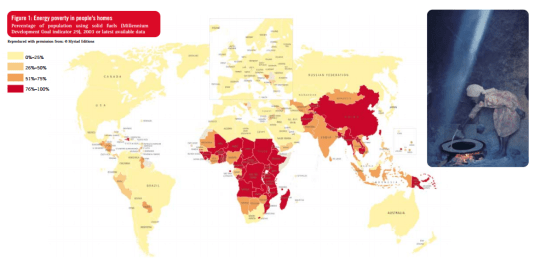
Source: World Health Organisation.
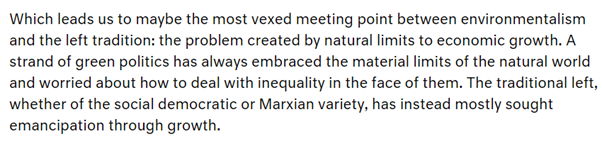
Why @NZGreens @GreenpeaceNZ are enemies of workers & poor
15 Feb 2016 Leave a comment
in applied welfare economics, economic growth, energy economics, environmental economics, environmentalism, labour economics, macroeconomics, politics - New Zealand Tags: expressive voting, Greenpeace, Leftover Left, New Zealand Greens, rational irrationality, Twitter left
% billionaires who made their money through political connections or resource industries
13 Feb 2016 Leave a comment
in economics of bureaucracy, economics of regulation, energy economics, entrepreneurship, industrial organisation, poverty and inequality, privatisation, rentseeking, resource economics
The 1826 Billionaires in the Forbes 2015 list are classified as rich through political connections if they made their money through past political positions, close relatives or friends in government, or questionable licenses, privatisations or resource extraction industries.
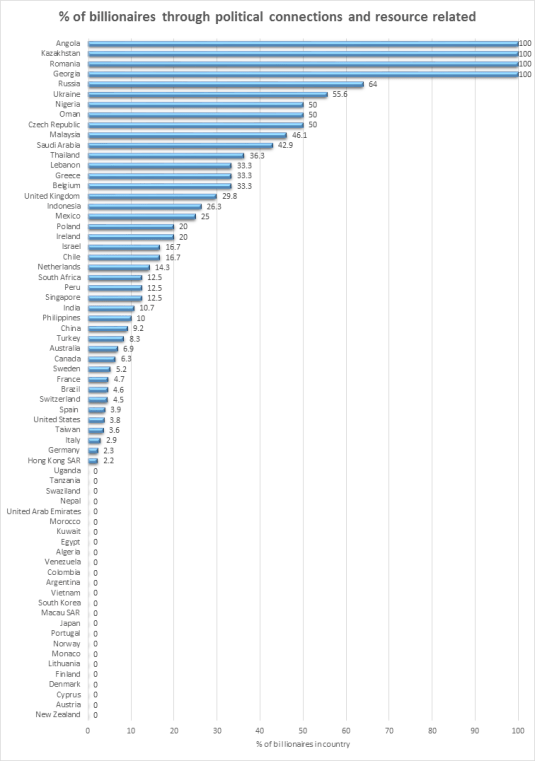
All privatizations were included in the politically-connected/resource-related category despite my data source acknowledging the possibility that the new owners may have transformed the company. Resource billionaires were all deemed to be lucky or cronies by my data source rather than diligent as some most certainly were. This is something of a slur by my data source given the industriousness of some resource billionaires some of whom were even geologists.
Political cronyism is a path to billionaire wealth mainly in the developing countries. Less than 10% of Chinese billionaires made their money through political connections, which is surprising.
If you love nature, stay away from it – Ed Glaeser
09 Feb 2016 Leave a comment
in energy economics, environmental economics, global warming, politics - New Zealand, transport economics, urban economics
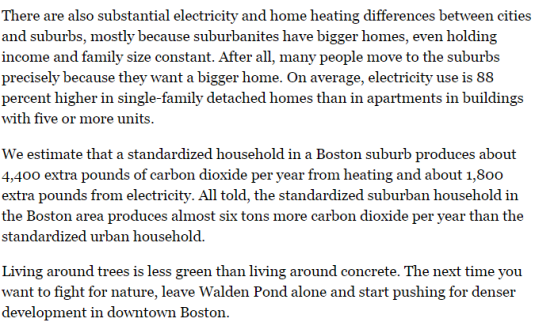
It is hard to imagine any merchant who harmed the environment as much as Henry David Thoreau…
We are a destructive species, and if you love nature, stay away from it. The best means of protecting the environment is to live in the heart of a city.
Ed Glaeser
Source: If you love nature, move to the city – The Boston Globe.
Here’s where Republicans and Democrats differ on the role of government
08 Feb 2016 Leave a comment
in defence economics, economics of bureaucracy, economics of education, economics of information, economics of media and culture, economics of regulation, energy economics, entrepreneurship, environmental economics, income redistribution, politics - USA, Public Choice, rentseeking Tags: 2016 presidential election Republican Party, Democratic Party, votor demographics
North and South America at night
06 Feb 2016 Leave a comment
in development economics, energy economics
@GreenpeaceUK thinks these wind turbines are a pretty sight
05 Feb 2016 Leave a comment
in energy economics, environmental economics, global warming, law and economics, property rights Tags: Big Wind, land use conflicts, visual pollution, wind power
@RusselNorman @JulieAnneGenter a hedge fund specialises in shorting renewable energy shares @Greenpeace
03 Feb 2016 Leave a comment
in defence economics, economic history, economics of regulation, energy economics, entrepreneurship, environmental economics, financial economics, global warming Tags: active investing, disinvestment, entrepreneurial alertness, ethical investing, Fossil Fuels, green rentseeking, hedge funds, passive investing, renewable energy, solar power, Vice Fund, wind power

Just as the Vice Fund specialises in investing in tobacco, alcohol, gaming and defence shares, Cool Futures Funds Management is starting-up to specialise in betting against global warming by shorting green stocks:
…instead of renewables being our energy future, they’re betting on the subsidies drying up and the whole industry collapsing; instead of fossil fuels being left in the ground as “stranded assets”.
An example of the nice little earners this hedge fund can come across is anticipating when particular investors will want to disinvest from fossil fuels.
When institutional investors ranging from universities to sovereign investment funds such as the New Zealand Superannuation Fund seek to disinvest from fossil fuels, that will be a good time to buy cheap shares.The
Some birds are more equal than others? @GreenpeaceNZ @GarethMP
28 Jan 2016 Leave a comment
in energy economics, environmental economics, environmentalism
Electricity from new #wind 3x more costly than existing #coal @GarethMP
22 Jan 2016 1 Comment
in energy economics, environmental economics, global warming Tags: power prices, wind power
Wind has exceeded 1% of the world’s energy needs in 2015
21 Jan 2016 Leave a comment
in economic history, energy economics, environmental economics Tags: wind power
Area needed to power the Entire World with Solar Power
17 Jan 2016 Leave a comment
in energy economics, environmental economics
IPCC summaries of cost of #globalwarming @greencatherine @GreenpeaceNZ
16 Jan 2016 Leave a comment
in applied welfare economics, energy economics, environmental economics, global warming

SOURCE: Table 10.B.1, IPCC WGII AR5, p. 82 via


Recent Comments