China uses as much coal, steel, and concrete as the rest of the world combined: bit.ly/1US1Lyc http://t.co/4NqNFNLAYz—
Vox (@voxdotcom) September 15, 2015
#China uses as much coal, steel, and concrete as the rest of the world combined
08 Oct 2015 Leave a comment
in development economics, energy economics, growth miracles, resource economics Tags: China
@GreenpeaceNZ @savethearctic real reason @Shell stopped Arctic drilling @NZGreens
07 Oct 2015 Leave a comment
5 Ways People Power Helped Defeat Shell >> bit.ly/1L4KgAP #savethearctic http://t.co/e3Bn319yOe—
Greenpeace Canada (@GreenpeaceCA) October 06, 2015
Today in Energy: Sustained low oil prices could reduce exploration and production investment go.usa.gov/3twad http://t.co/zH8EpFc4Xx—
EIA (@EIAgov) September 24, 2015
CHART: Thanks to #fracking, US produced >89% of energy consumed this year (through June) for 1st time since 1984 http://t.co/8yEUac1pBA—
Mark J. Perry (@Mark_J_Perry) September 29, 2015
CHART: Thanks to #fracking, US petroleum imports this year through August (25.3%) are lowest in 44 years, since 1971 http://t.co/ThSbPTVDkH—
Mark J. Perry (@Mark_J_Perry) September 29, 2015
New EIA Data: US oil output fell to 9.1 bpd last week, down by 508,000 bpd from July peak ir.eia.gov/wpsr/overview.… http://t.co/VwAjeQ2dEN—
Mark J. Perry (@Mark_J_Perry) September 30, 2015
Energy Milestone: Thanks #fracking US Nat Gas Production Increased in July to New Record High eia.gov/dnav/ng/ng_pro… http://t.co/8KECE6ftxm—
Mark J. Perry (@Mark_J_Perry) September 30, 2015
Humanity keeps finding new reserves of energy: buff.ly/1LbOCcW #progress http://t.co/QhzgYkjWEi—
HumanProgress.org (@humanprogress) October 04, 2015
How the U.S. and OPEC drive oil prices
07 Oct 2015 Leave a comment
in economic history, energy economics Tags: Oil prices, OPEC
@RichardTol on energy pollution trade-offs
05 Oct 2015 Leave a comment
in energy economics, environmental economics, global warming Tags: air pollution, Richard Tol, trade-offs
BBC @RHarrabin on RE emissions pollution etc, good summary of complexity by @RichardTol
bbc.co.uk/news/science-e… http://t.co/xQNGzlpUSe—
Roddy Campbell (@Roddy_Campbell) September 29, 2015
Energy poverty and Euro inflation rates
04 Oct 2015 Leave a comment
in energy economics, environmental economics, global warming Tags: climate alarmism, energy poverty, energy prices, EU, green rent seeking, power prices
I wonder what caused that negative inflation print? ec.europa.eu/eurostat/docum… http://t.co/rYI5VnZOzI—
Lorcan Roche Kelly (@LorcanRK) September 30, 2015
@GreenpeaceNZ The 25th anniversary of the famous bet between Julian Simon and Paul Ehrlich
03 Oct 2015 Leave a comment
in economics, energy economics, entrepreneurship, environmental economics, resource economics

A 2011 blog post of mine on "the bet" rogerpielkejr.blogspot.com/2011/10/cornuc…
Attached a bigger bin of commodities & bet dates in red http://t.co/SC6HeuRwys—
Roger Pielke Jr. (@RogerPielkeJr) April 29, 2015
@AlexEpstein on why you should love fossil fuels
02 Oct 2015 Leave a comment
in development economics, energy economics, environmental economics Tags: Alex Epstein, climate alarmism, energy poverty, The Great Enrichment, The Great Escape
Oil and ISIS
02 Oct 2015 Leave a comment
in energy economics, war and peace Tags: Iraq, Iraqi civil war, ISIS, Middle-East politics, Oil prices, Syria, Syrian Civil War
This map shows where ISIS overlaps with major oil refineries rightrelevance.com/search/article… http://t.co/gDDzKVNAI8—
Cartography & Maps (@CartogRRaphy) September 29, 2015
The commercial valuation of the New Zealand state-owned enterprises portfolio since 2007 with and without Solid Energy and KiwiRail
29 Sep 2015 Leave a comment
in economic history, energy economics, financial economics, industrial organisation, politics - New Zealand, survivor principle, transport economics Tags: KiwiRail, privatisation, Solid Energy, state owned enterprises, suppressing voting
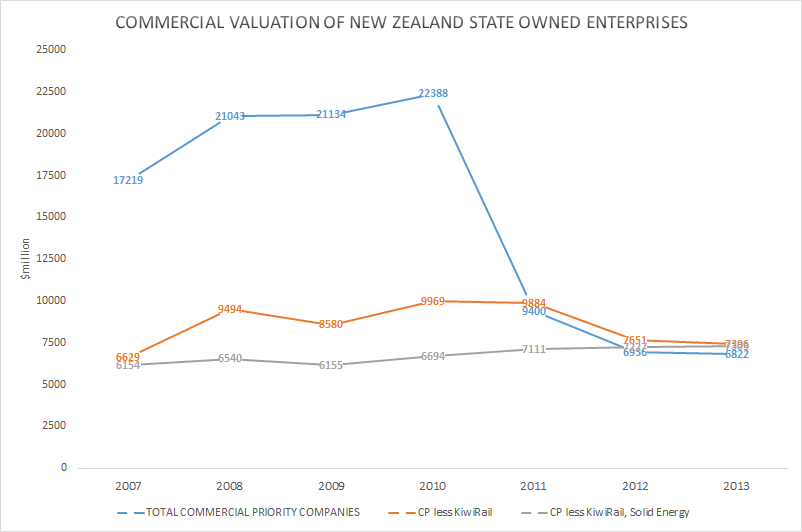
Source: The New Zealand Treasury – data released under the Official Information Act.
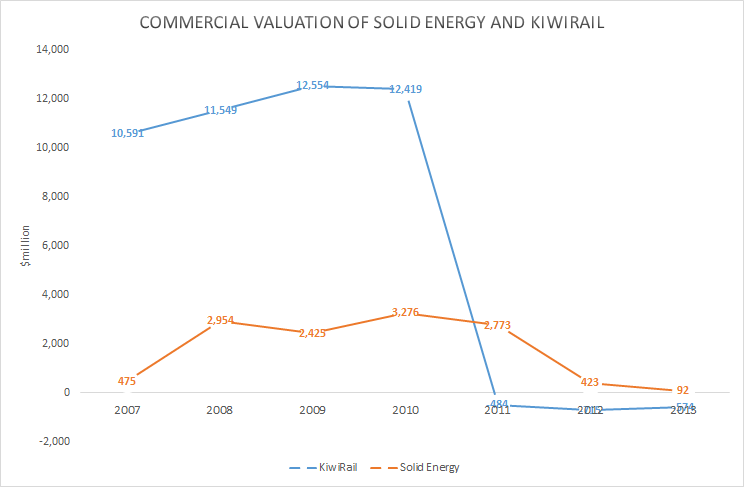
Source: The New Zealand Treasury – data released under the Official Information Act.
The financial performance of Solid Energy (NZ state-owned enterprise) since 2007
28 Sep 2015 Leave a comment
in energy economics, industrial organisation, politics - New Zealand Tags: expressive voting, privatisation, state owned enterprises
Leaving aside the fortunes and vicissitudes of the mining industry, Solid Energy’s numbers have been up and down by so much that if this was in a private company, you would start to wonder.

Source: The New Zealand Treasury – data released under the Official Information Act.
Taxpayers barely saw a cent of those multibillion-dollar valuations of just a few years ago for a company now under receivership. I doubt the ride was worth the price of passage for the taxpayer.
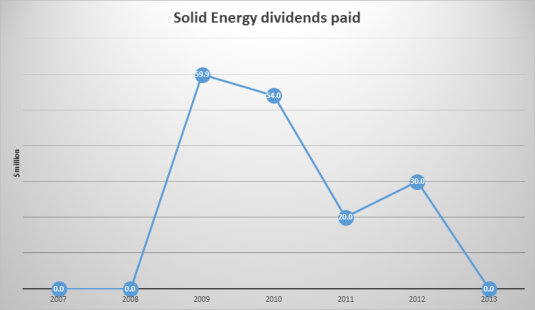
Source: The New Zealand Treasury – data released under the Official Information Act.

Source: The New Zealand Treasury – data released under the Official Information Act.
Is renewable energy the face of the future?
23 Sep 2015 Leave a comment
in energy economics, environmental economics, global warming Tags: Big Solar, Big Wind, climate alarmists, hydropower, renewable energy, solar power, wind power
EIA Forecast for US Energy Sources to 2040. Fossil fuels will supply >80%, renewables 8%, it's a 'fossil fuel future' http://t.co/B923DH9ncW—
Mark J. Perry (@Mark_J_Perry) June 11, 2015
President Carter said the world would run out of oil by 2010
23 Sep 2015 Leave a comment
in energy economics, environmental economics, politics - USA Tags: doomsday prophecies, Oil prices, peak oil
President Carter said the world would run out of oil by 2010
realclimatescience.com/2015/06/presid… http://t.co/flmIxYOFdd—
Steve Goddard (@SteveSGoddard) June 22, 2015
How is peak oil going?
20 Sep 2015 Leave a comment
in economic history, energy economics, environmental economics Tags: commodity prices, doomsday prophecies, peak oil
Are we really running out of oil? As it turns out, we're discovering more every year. buff.ly/1LhV947 http://t.co/fdxxk5fNpi—
HumanProgress.org (@humanprogress) August 19, 2015
How dangerous is nuclear energy?
16 Sep 2015 Leave a comment
in economics of media and culture, economics of regulation, energy economics, environmental economics Tags: atomic power, environmental alarmism, expressive voting, Green alarmism, nuclear energy, rational ignorance, rational irrationality


Recent Comments