Liberal Democrats energy policy @auslibdems
28 Jun 2016 Leave a comment
in economics, energy economics, environmental economics Tags: 2016 Australian federal election

Does @JulieAnneGenter know how much an electric car costs? @GreenpeaceNZ
17 Jun 2016 Leave a comment
in energy economics, environmental economics, environmentalism, politics - New Zealand Tags: electric cars, expressive voting, fuel poverty, New Zealand Greens, Norway, tokenism
The New Zealand Greens welcomed the possibility that Norway may ban the sale of petrol driven cars in 2025. From then on Norwegians may be only able to buy an electric car.

Source: NZ electric vehicle buyers guide.
If this Norwegian policy of banning petrol cars by 2025 was repeated in New Zealand, most New Zealanders could not afford a new car or indeed any car at all. The cheapest electric car is $55,000 new and often much more. They also still have serious, indeed crippling range anxiety as the adjacent screen snapshot shows from the New Zealand electric cars buyers guide.
Tesla destroys the competition when it comes to how far its cars go on one charge buff.ly/1LphuLg http://t.co/UhIAECZIFp—
Business Insider (@businessinsider) October 17, 2015
These type of policies from the Greens show how impractical they are and how contemptuous they are of ordinary families having a decent lifestyle, affordable cars and cheap energy. The Greens prefer ordinary people to have to scrimp and save for expensive cars that lose value quickly and do not go very far.

Neo-colonial @oxfamnz continues to bully small island states
16 Jun 2016 Leave a comment
in applied price theory, development economics, environmental economics, global warming, international economic law, international economics, public economics
Oxfam joins others on the reactionary left in seeking to bully former colonies over their economic policies, in particular, their tax policies that promote tax havens.
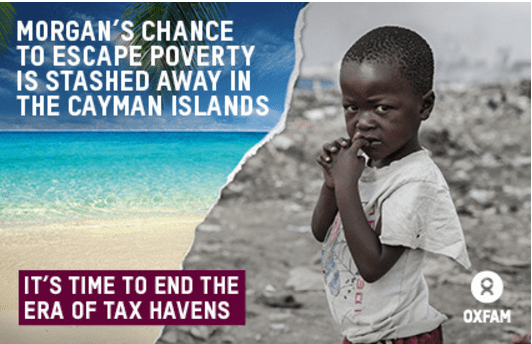
The Cayman Islands is a British overseas territory that chooses to stay British with limited self-government. If the British were to start bullying it over its tax haven and offshore financial centre policies, it would immediately seek independence.
This attempt by former colonial masters to bully small countries to toe their line on tax policies is not done in any way for the benefit of these former colonies and their economic development. It is old-fashioned imperialism with a new motivation, tax imperialism. The aim is to prevent capital flight and the erosion of the business tax base in developed countries.
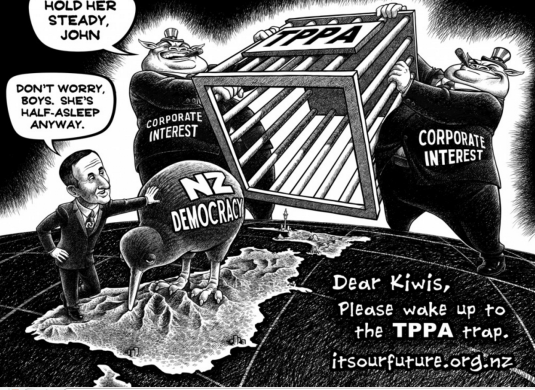
This is a seething hypocrisy given that Oxfam was all for #TPPANoWay. It is OK to go your own way on tariffs, intellectual property and investment and other economic regulations but not taxes. Countries have a tariff sovereignty but not a tax sovereignty.
This is a self-serving neo-colonial hypocrisy. The sovereignty arguments for #TPPANoWay are identical to those for the right of countries to act as tax havens. Identical. Tariffs deny other countries export markets; tax havens deny other countries tax revenue.
Small island states were left-wing and environmentalist heroes on climate change at the most recent conference on global warming in Paris but are villains regarding tax havens. In both cases, these small countries are exercising their sovereignty regarding their foreign policies and economic policies.
Oxfam believes that the democratic rights of former colonies do not extend to shaping their own economic policies. Oxfam wants them to be put on a neo-colonial leash.
Bill Maher: Sanders Supporters Are “Used To Getting Shit For Free”; That’s Not Socialism, It’s “Santa-ism”
13 Jun 2016 Leave a comment
in applied price theory, applied welfare economics, defence economics, economic history, economics of education, economics of media and culture, economics of regulation, environmental economics, industrial organisation, politics - USA, survivor principle Tags: 2016 presidential election, Twitter left
Desperately seeking to agree with @JulieAnneGenter on transport investment quality
11 Jun 2016 Leave a comment
in applied price theory, applied welfare economics, economics of bureaucracy, environmental economics, politics - New Zealand, Public Choice, transport economics, urban economics Tags: cost benefit analysis, KiwiRail, New Zealand Green Party, road pricing
I just wrote an op-ed for National Business Review online (pay-walled) agreeing with an op-ed last week by Green MP Julie Anne Genter on transport investment. My op-ed started
The Taxpayers’ Union welcomes the commitment of the Green Party yesterday to evaluating transport investments without any bias or favouritism to one transport mode over another.
The Taxpayers’ Union could not agree more with Julie Anne Genter when she said that the question ministers should always ask is “what is the best investment we can make?”
This op-ed was my rejoinder to her reply to my op-ed criticising a recent Green Party on national freight policy. That policy called for 25% of all freight by kilometres travelled to each go by rail and road. That would near double their freight market share from 30% currently to 50% when measured by kilometre.
For my troubles I got nothing but criticism and accusations in the comments section in National Business Review Online. A tweet by Genter was far more gracious.
There was no praise in the comment section at the National Business Review online for agreeing with the Green policy. In the first comment I was told I did not understand economics and that
When the policy default is “cut taxes and spending and let me selfishly keep my money” they miss out on the much larger benefit to everyone, including themselves, by nudging or economy to spend more on intrinsically more efficient transport – like rail – and less on alternatives.
No thanks at all for agreeing that transport investments should be the best we can make. After saying that in their recent freight policy, the Greens set targets were specific transport technologies they favour, which are rail and sea freight.

You cannot argue that transport investments should be the best we can make then declare a preference for a particular technology or mode of transport. But let us not quibble over that glaring contradiction.

The broader principle was agreed which is transport investments should be driven by cost benefit analysis and value for money. It should be technology neutral and transport mode neutral. That, of course, means the Greens cannot declare targets for the market shares of particular modes of freight shipment if they want to follow their own policy about value for money.
Fossil fuels and The Great Escape
09 Jun 2016 Leave a comment
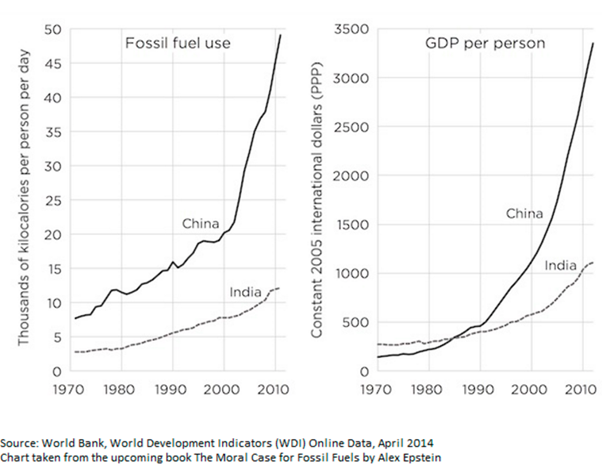
in applied welfare economics, development economics, economic history, energy economics, environmental economics, global warming, growth miracles, Public Choice, rentseeking Tags: China, energy poverty, extreme poverty, India, The Great Enrichment, The Great Escape
Nuclear energy is a seriously safe power source
05 Jun 2016 Leave a comment
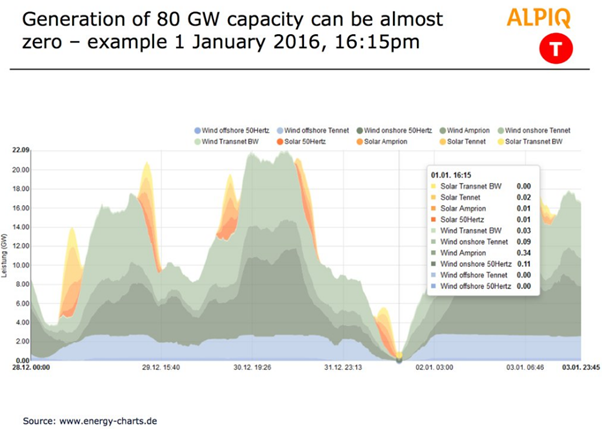
in economic history, energy economics, environmental economics, health and safety, labour economics Tags: coal prices, comic power, hydroelectric power, nuclear energy, risk risk trade-offs, solar power, wind power
Coal is the best resource we have in the fight to end poverty
04 Jun 2016 Leave a comment
in development economics, economic history, energy economics, environmental economics, global warming, growth disasters, growth miracles Tags: coal prices, rational irrationality, The Great Escape
Winter is coming
03 Jun 2016 Leave a comment
in applied welfare economics, energy economics, environmental economics
Cities that climate change will hit first
02 Jun 2016 Leave a comment
in environmental economics, global warming Tags: climate alarmism, global warming, maps
Not in my lifetime. I thought climate change was happening now, not in 2050 and 2070
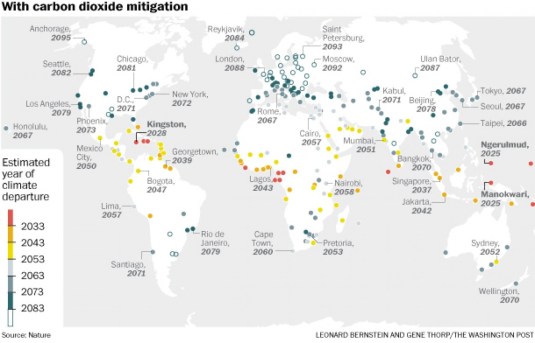
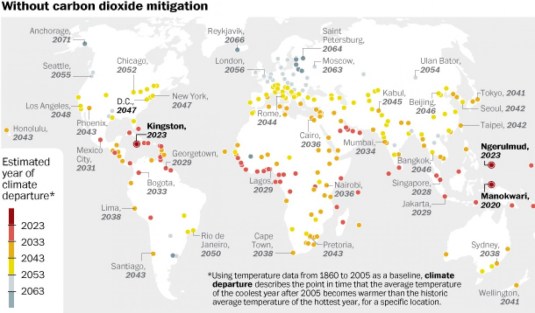
Source: These are the cities that climate change will hit first – Vivid Maps.
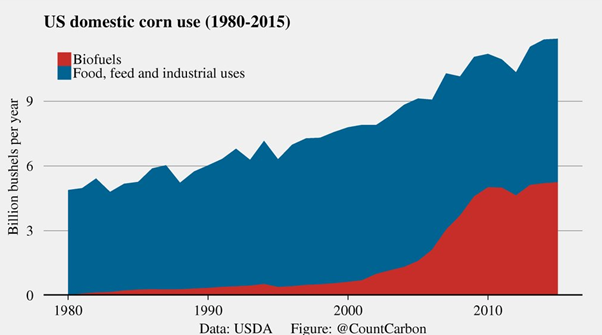
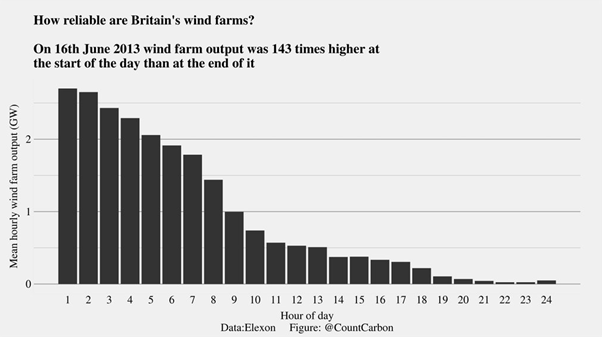
BS @WorldBank that #climateaction = no sacrifice 4 poor countries @cjsnowdon @RichardTol @BjornLomborg @WBG_Climate
30 May 2016 Leave a comment
in applied welfare economics, development economics, economics, economics of media and culture, energy economics, environmental economics, global warming, growth disasters, growth miracles Tags: climate alarmism, The Great Escape
Night-light maps shows huge need 4 #infrastructure investment in African #cities. Video: wrld.bg/Ufzpy https://t.co/BJXzwAZPyE—
World Bank (@WorldBank) November 10, 2015
 Utopia, you are standing in it!
Recent Comments