
It isn’t cheap being @NZGreen @Greens @GreenpeaceAP #globalwarming #climateemergency @mfe_news @jamespeshaw
12 Mar 2020 Leave a comment

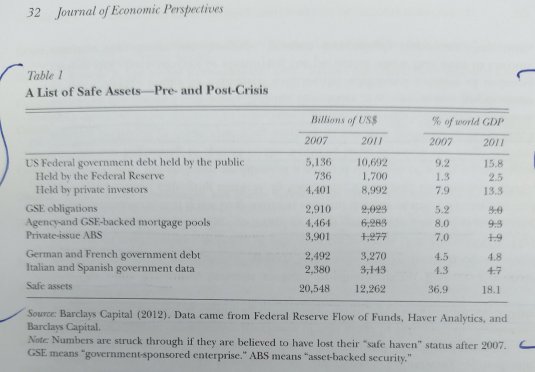
The great contraction in safe collateral
09 Mar 2020 Leave a comment
in business cycles, economic history, economics of information, Euro crisis, financial economics, fiscal policy, global financial crisis (GFC), great recession, law and economics, macroeconomics, monetary economics, property rights, Public Choice, public economics Tags: adverse selection, asymmetric information, efficient markets hypothesis, moral hazard
Richard Epstein, “A History of Public Utility Regulation in the Supreme Court”
09 Mar 2020 Leave a comment
in economics of bureaucracy, economics of regulation, energy economics, entrepreneurship, environmental economics, financial economics, income redistribution, industrial organisation, law and economics, property rights, Public Choice, rentseeking, Richard Epstein, survivor principle Tags: competition law, network economics, price controls
Steve Kaplan Discusses CEO Pay
08 Mar 2020 Leave a comment
in economics of bureaucracy, economics of crime, economics of education, economics of information, entrepreneurship, financial economics, human capital, income redistribution, industrial organisation, labour economics, labour supply, law and economics, managerial economics, market efficiency, occupational choice, organisational economics, personnel economics, politics - USA, poverty and inequality, property rights, Public Choice, rentseeking, survivor principle Tags: CEO pay, efficient markets hypothesis
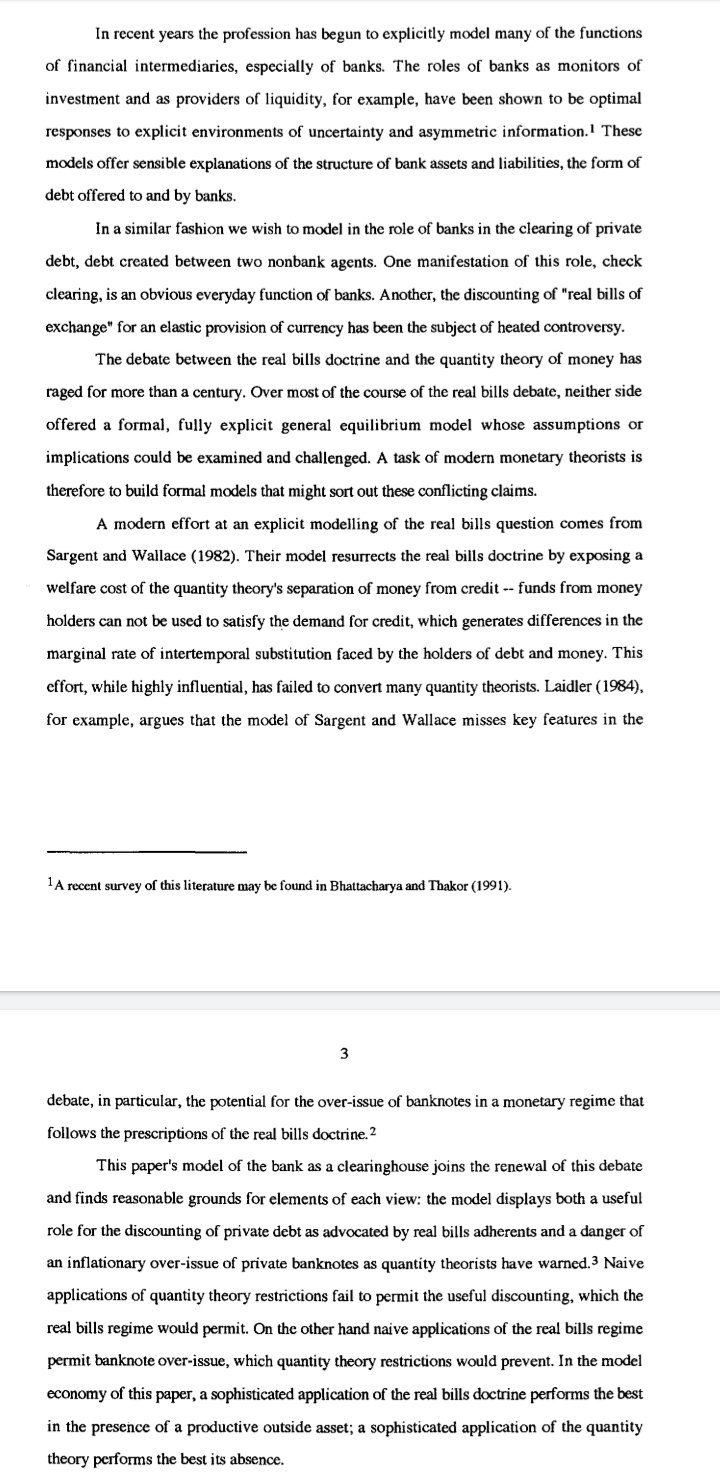
Nobel Symposium Gary Gorton Financial regulation
08 Mar 2020 Leave a comment
in business cycles, economics of information, economics of regulation, financial economics, global financial crisis (GFC), great recession, law and economics, macroeconomics, monetary economics
Inequality in America: Taxes and the Ultra-Rich | Emmanuel Saez | Steven Kaplan | Luigi Zingales
08 Mar 2020 Leave a comment
in applied price theory, economics of education, entrepreneurship, financial economics, human capital, income redistribution, industrial organisation, labour economics, labour supply, managerial economics, occupational choice, organisational economics, personnel economics, politics - USA, poverty and inequality, Public Choice, public economics, rentseeking Tags: capital gains tax, envy, taxation and entrepreneurship, taxation and investment, top 1%
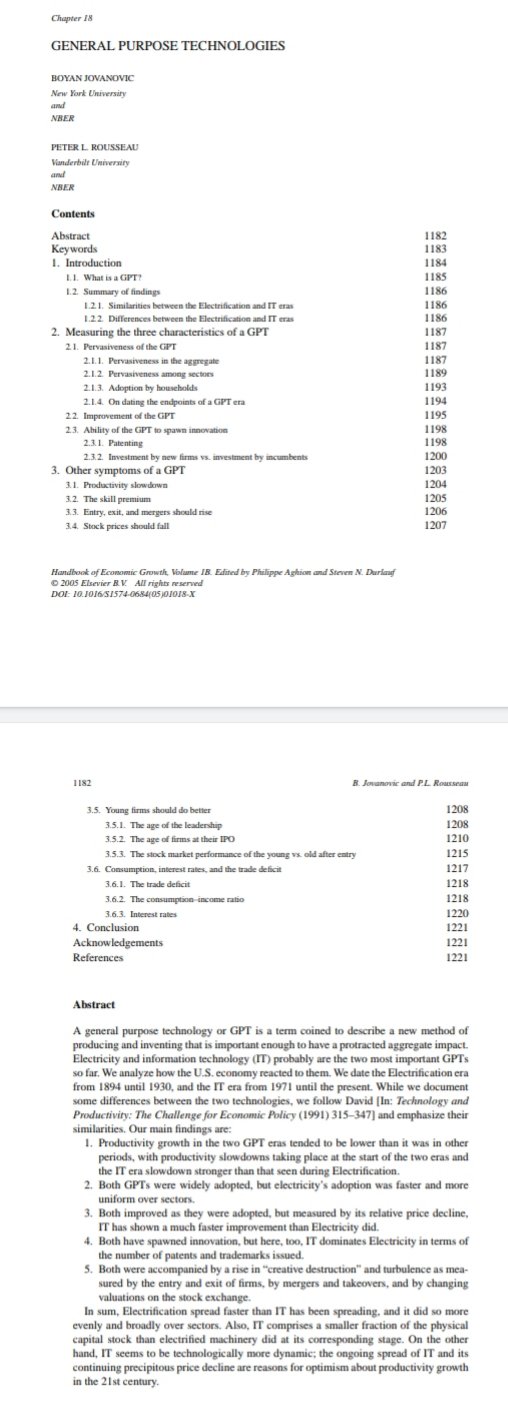
Only 2 general purpose technologies in the 20th century?
07 Mar 2020 Leave a comment
in applied price theory, economic growth, economic history, economics of education, energy economics, entrepreneurship, financial economics, history of economic thought, human capital, industrial organisation, labour economics, labour supply, macroeconomics, managerial economics, occupational choice, organisational economics, survivor principle Tags: creative destruction, general purpose technologies
Masters of Finance: Michael Jensen
07 Mar 2020 Leave a comment
in financial economics, theory of the firm Tags: agent principal problem, efficient markets hypothesis
Are CEOs overpaid?
05 Mar 2020 Leave a comment
in economics of information, financial economics, human capital, labour economics, labour supply, law and economics, managerial economics, occupational choice, organisational economics, personnel economics, property rights, theory of the firm Tags: CEO pay, efficient markets hypothesis
The wages of sin since 1926 has been 2.5% per year @jamespeshaw @NZGreens @Greens @greenpeaceusa @mfe_news
04 Mar 2020 Leave a comment
in defence economics, economics of regulation, financial economics, health economics, politics - New Zealand

From https://www.forbes.com/2009/10/21/sin-stocks-outperform-personal-finance-sin-stocks.html#3b5f89954cfd and http://pages.stern.nyu.edu/~sternfin/mkacperc/public_html/sin.pdf
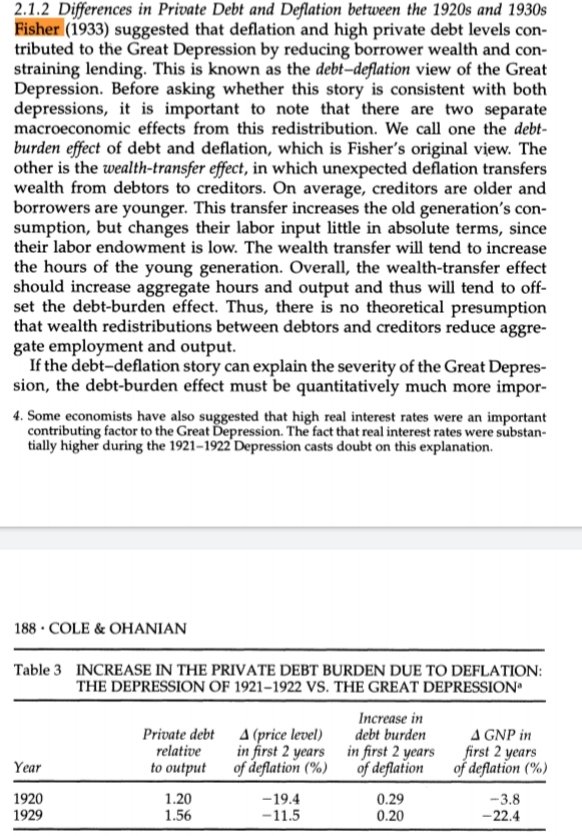
It is not easy to agree on what is green! @Greens @NZGreens @mfe_news @greenpeaceusa
02 Mar 2020 1 Comment
in energy economics, environmental economics, environmentalism, financial economics, politics - New Zealand, politics - USA, Public Choice, rentseeking
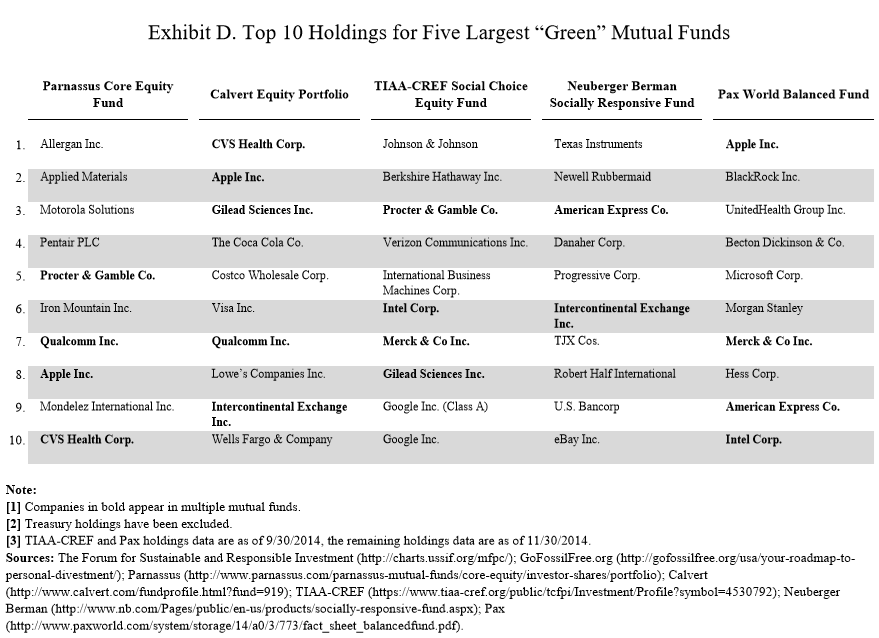
From Fossil Fuel Divestment: A Costly and Ineffective Investment Strategy by Daniel R. Fischel (2014)
@ReserveBankofNZ views on Maori values and the long term view has poor anthropological support?!
02 Mar 2020 Leave a comment
in entrepreneurship, financial economics, human capital, industrial organisation, labour economics, macroeconomics, monetary economics, occupational choice, politics - New Zealand, Public Choice, rentseeking Tags: monetary policy

 Utopia, you are standing in it!
Recent Comments