

How did the Vice Fund end the year?
31 Dec 2016 Leave a comment
in financial economics Tags: do gooders, efficient markets hypothesis, entrepreneurial alertness, ethical investing
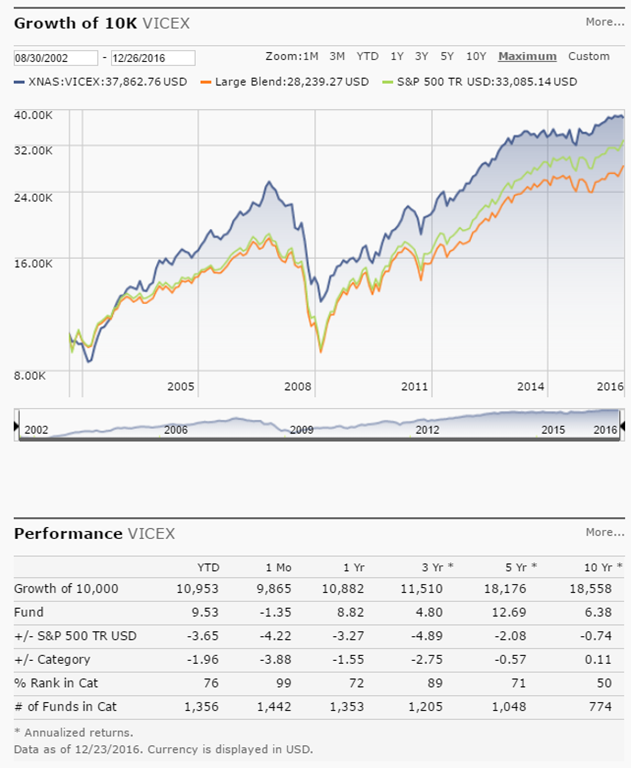
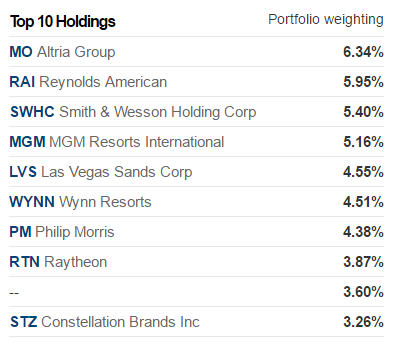
The Vice Fund is a mutual fund investing in companies that have significant involvement in, or derive a substantial portion of their revenues from the tobacco, gambling, defence/weapons, and alcohol industries. A primary focus of stock selection is the ability to pay and grow dividends.

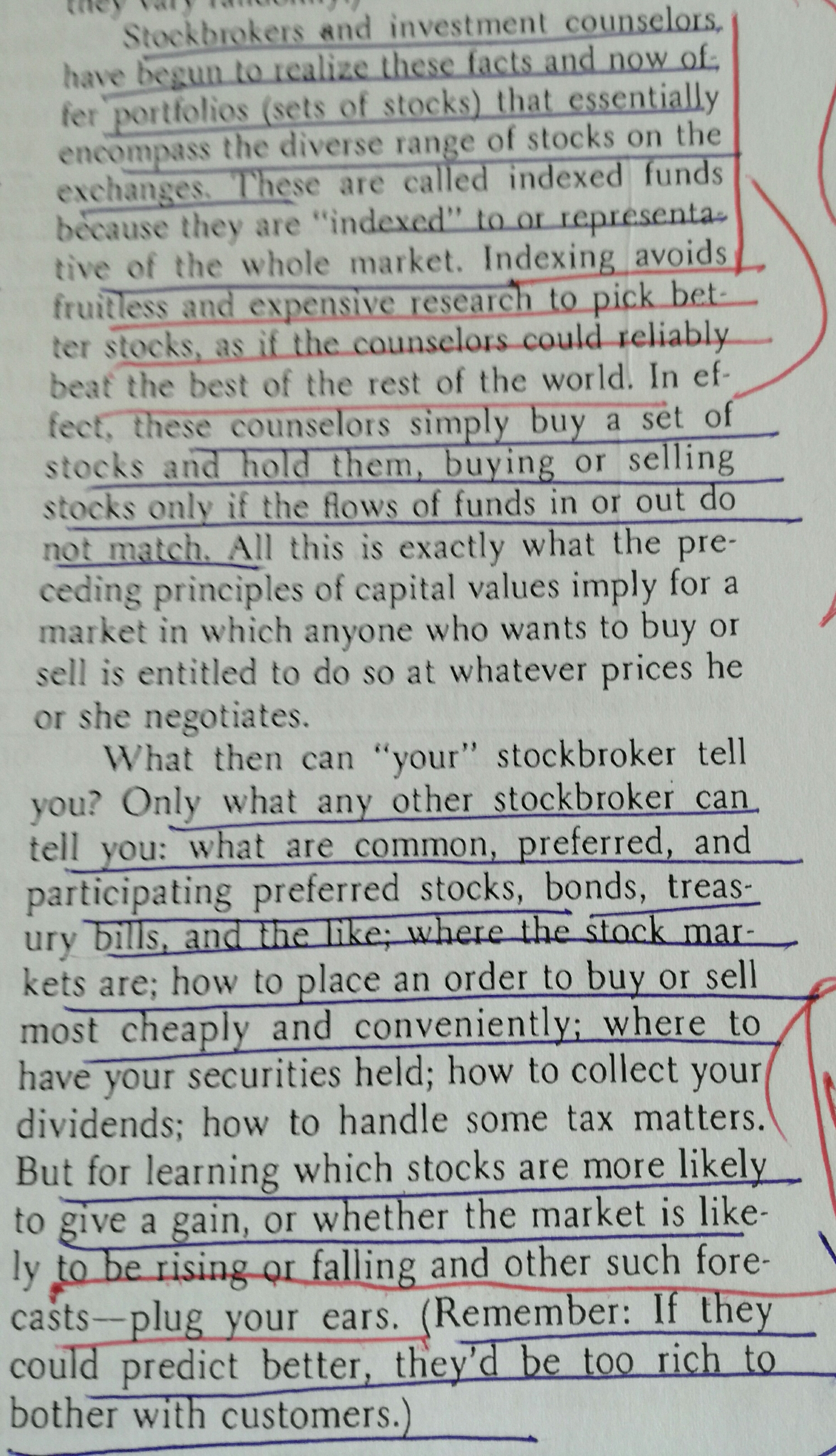
Alchian and Allen on the share market as spy
24 Dec 2016 Leave a comment
in applied price theory, entrepreneurship, financial economics Tags: efficient markets hypothesis
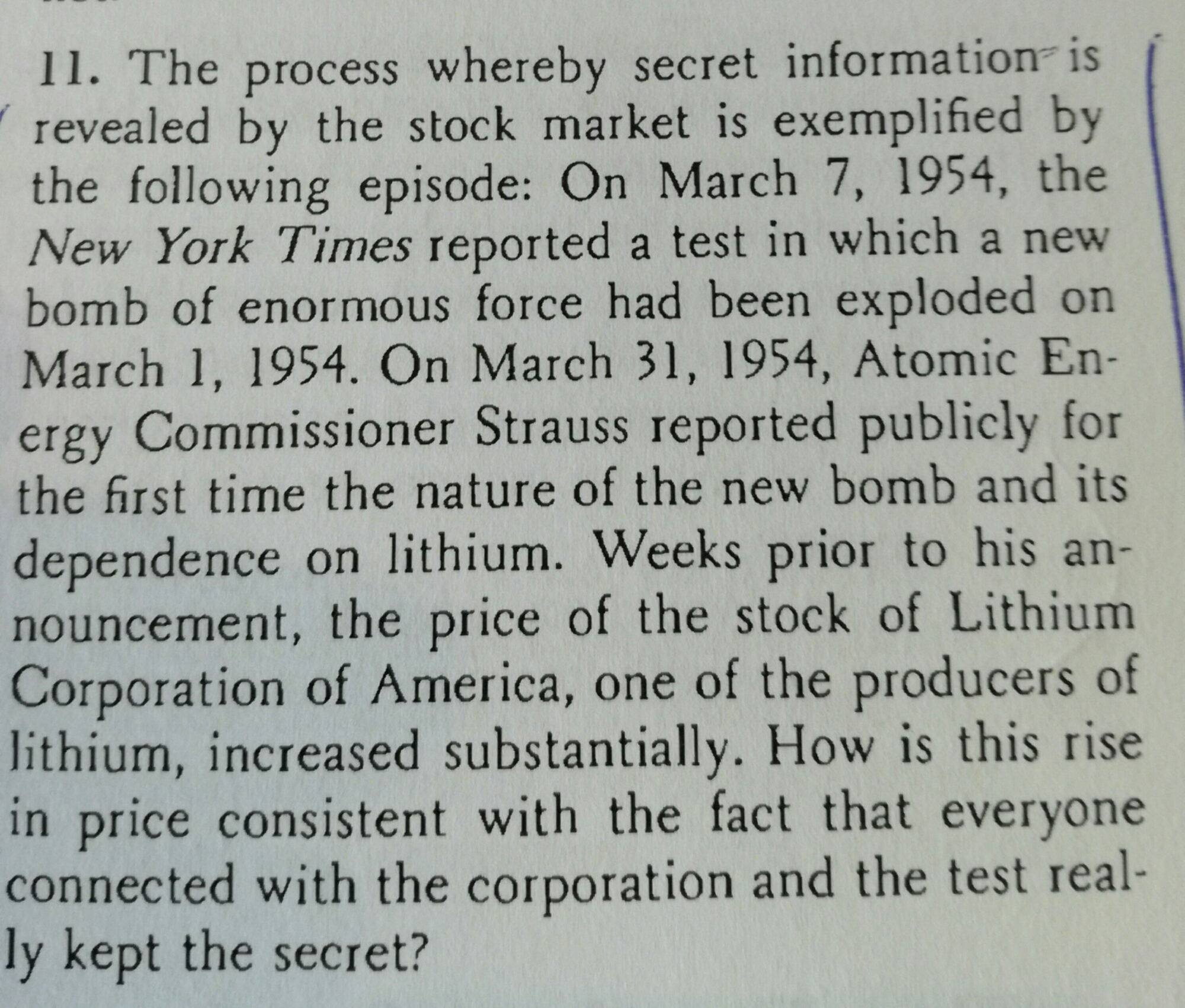
The Soviets first suspected an atomic program on 1942 by the simple detail that all the top scientists stopped publishing. All in the details.
New Zealand pension fund assets since 2001
12 Dec 2016 Leave a comment
in economic history, financial economics, fiscal policy, labour economics, macroeconomics Tags: ageing society, demographic crisis, economics of retirement savings
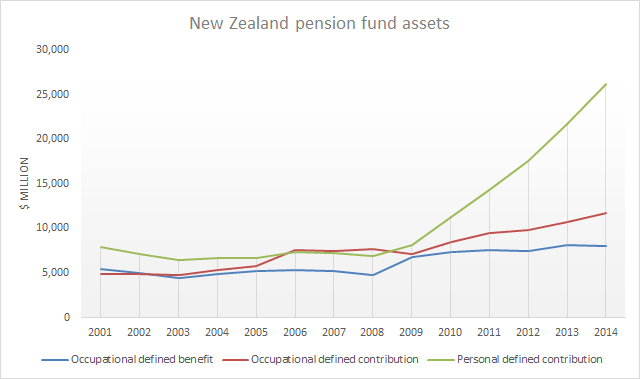
Source: OECD pension fund statistics and national sources via OECD Pension Outlook 2016.
How is pension fund socialism going?
11 Dec 2016 Leave a comment
in economic history, financial economics, fiscal policy, macroeconomics Tags: ageing society, demographic crisis, economics of retirement savings, old age pensions, pension fund socialism
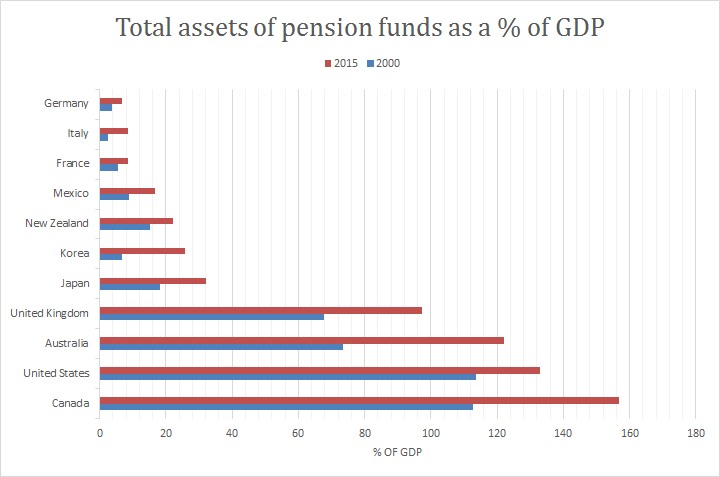
Source: OECD Pension Fund Statistics..
Eugene Fama’s advice for the next president
01 Dec 2016 Leave a comment
in applied price theory, constitutional political economy, economics of regulation, entrepreneurship, financial economics Tags: 2016 presidential election, Eugene Fama
Are markets efficient? Eugene Fama (yes!) and Richard Thaler (no!) debate
30 Nov 2016 Leave a comment
in applied price theory, behavioural economics, entrepreneurship, financial economics Tags: active investing, efficient markets hypothesis, Eugene Fama, passive investing

 Utopia, you are standing in it!
Recent Comments