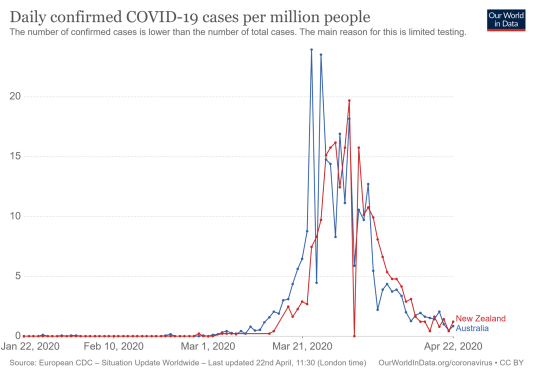
Oops, Ministry concludes NZ didn’t need to close schools because of #COVID19 infection risks!!?
22 Apr 2020 Leave a comment
in economics of bureaucracy, economics of education, health economics

From https://www.health.govt.nz/system/files/documents/publications/covid-19_control_measures_to_deliver_covid-19_strategies_education_sector_evidence_review-21apr20.pdf and https://www.nzherald.co.nz/nz/news/article.cfm?c_id=1&objectid=12326496
A Conversation with Harold Demsetz
22 Apr 2020 Leave a comment
in applied price theory, Armen Alchian, comparative institutional analysis, economic history, economics of bureaucracy, economics of information, economics of regulation, entrepreneurship, environmental economics, financial economics, George Stigler, health economics, history of economic thought, industrial organisation, law and economics, property rights, Public Choice, resource economics, Richard Posner, Ronald Coase, Ronald Coase, Ronald Coase, survivor principle, theory of the firm, transport economics, urban economics
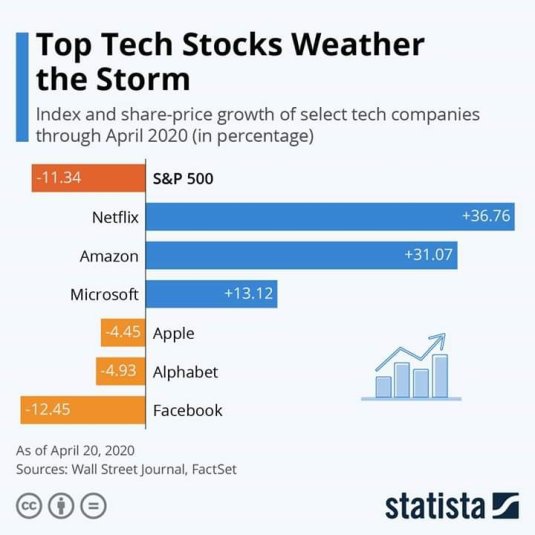
What did @Facebook do wrong?
22 Apr 2020 Leave a comment
in financial economics, health economics Tags: economics of pandemics
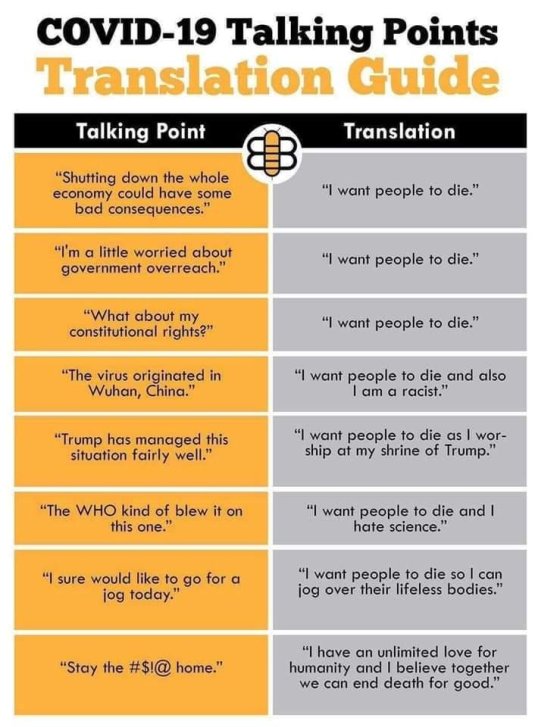
#COVID19
22 Apr 2020 Leave a comment
in health economics, politics - Australia, politics - New Zealand, politics - USA Tags: economics of pandemics
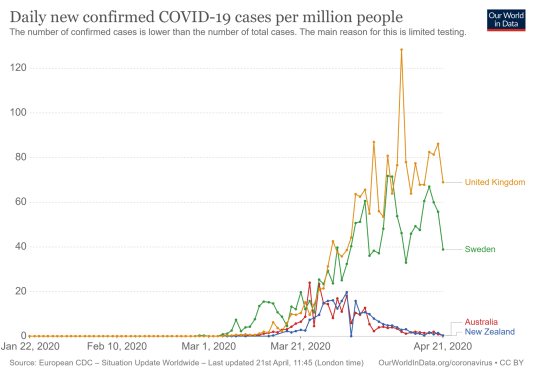
Why do governments assume a #COVID19 vaccine will be developed?
22 Apr 2020 Leave a comment
in health economics Tags: economics of pandemics

The Great Escape
22 Apr 2020 Leave a comment
in economic history, health economics Tags: infant mortality

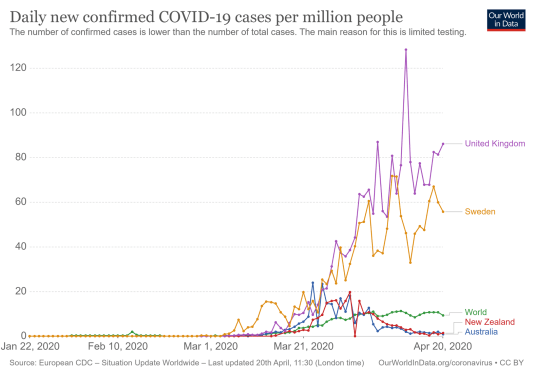
Average man is stronger than over 99% of women, taller than 97% of women
21 Apr 2020 Leave a comment


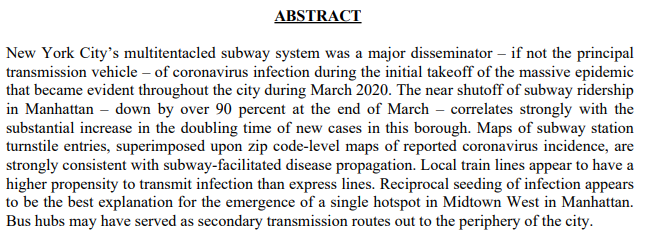
Should trains be banned until further notice @JulieAnneGenter? #COVID19
20 Apr 2020 Leave a comment
in health and safety, health economics, politics - New Zealand, politics - USA, transport economics
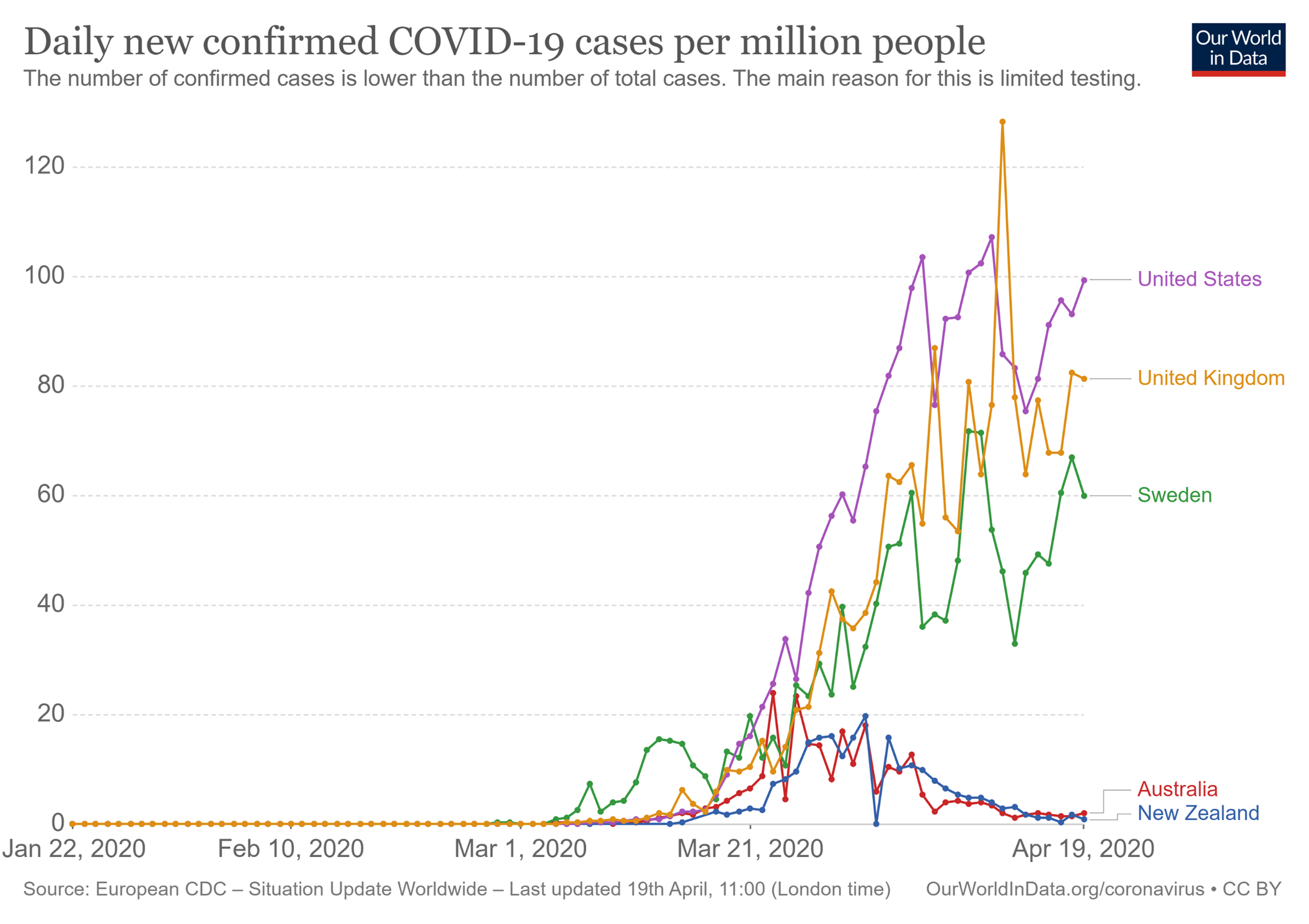
Johan Giesecke, one of the world’s most senior epidemiologists
20 Apr 2020 Leave a comment
in econometerics, health economics Tags: economics of pandemics, pessimism bias
- UK policy on lockdown and other European countries are not evidence-based
- The correct policy is to protect the old and the frail only
- This will eventually lead to herd immunity as a “by-product”
- The initial UK response, before the “180 degree U-turn”, was better
- The Imperial College paper was “not very good” and he has never seen an unpublished paper have so much policy impact
- The paper was very much too pessimistic
- Any such models are a dubious basis for public policy anyway
- The flattening of the curve is due to the most vulnerable dying first as much as the lockdown
- The results will eventually be similar for all countries
- Covid-19 is a “mild disease” and similar to the flu, and it was the novelty of the disease that scared people.
- The actual fatality rate of Covid-19 is the region of 0.1%
- At least 50% of the population of both the UK and Sweden will be shown to have already had the disease when mass antibody testing becomes available


Recent Comments