
Drowning in The Great Enrichment
05 Feb 2022 Leave a comment
in development economics, economic growth, economic history, growth disasters, growth miracles, history of economic thought, income redistribution, liberalism, libertarianism, macroeconomics, Marxist economics, politics - Australia, politics - New Zealand, politics - USA Tags: pessimism bias, The Great Enrichment
Larry White | UCLA Price Theory and Macroeconomics | Economic Forces Podcast Episode 1
05 Feb 2022 Leave a comment
in applied price theory, history of economic thought, macroeconomics, monetary economics
Milton Friedman Interview with Dallas Fed President Richard W. Fisher
05 Feb 2022 Leave a comment
in business cycles, development economics, economic growth, economic history, growth disasters, growth miracles, history of economic thought, law and economics, liberalism, macroeconomics, Marxist economics, property rights
Josh Wright | UCLA Law and Economics, Relational Contracts, and Antitrust
04 Feb 2022 Leave a comment
in applied price theory, applied welfare economics, Armen Alchian, comparative institutional analysis, economics of regulation, F.A. Hayek, history of economic thought, industrial organisation, law and economics, Ronald Coase, theory of the firm Tags: competition law
Milton Friedman Speaks: Money and Inflation
03 Feb 2022 Leave a comment
in economic history, history of economic thought, macroeconomics, Milton Friedman, monetarism, monetary economics Tags: monetary policy
Is Market Failure an argument against government? – David Friedman
28 Jan 2022 Leave a comment
in applied price theory, applied welfare economics, comparative institutional analysis, David Friedman, economic history, economics of crime, economics of information, economics of regulation, energy economics, environmental economics, history of economic thought, industrial organisation, labour economics, labour supply, law and economics, liberalism, libertarianism, property rights Tags: market failure
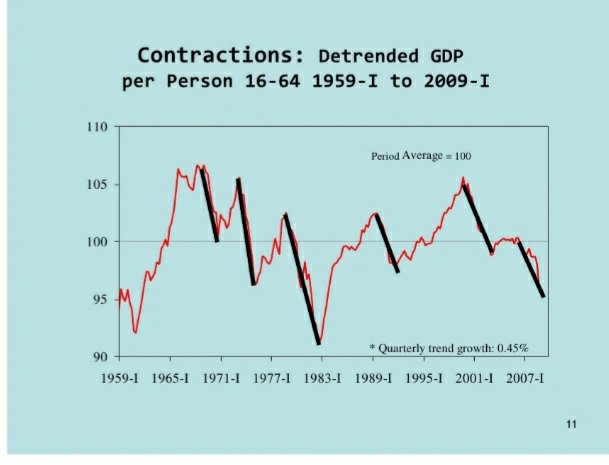
Prescott shows a lot of contracting since the end of the tech bubble
27 Jan 2022 Leave a comment
in business cycles, economic growth, economic history, Edward Prescott, great recession, history of economic thought, macroeconomics, monetarism, monetary economics Tags: real business cycles
Prescott on monetary booms
27 Jan 2022 Leave a comment
in business cycles, economic growth, economic history, Edward Prescott, history of economic thought, macroeconomics, monetary economics
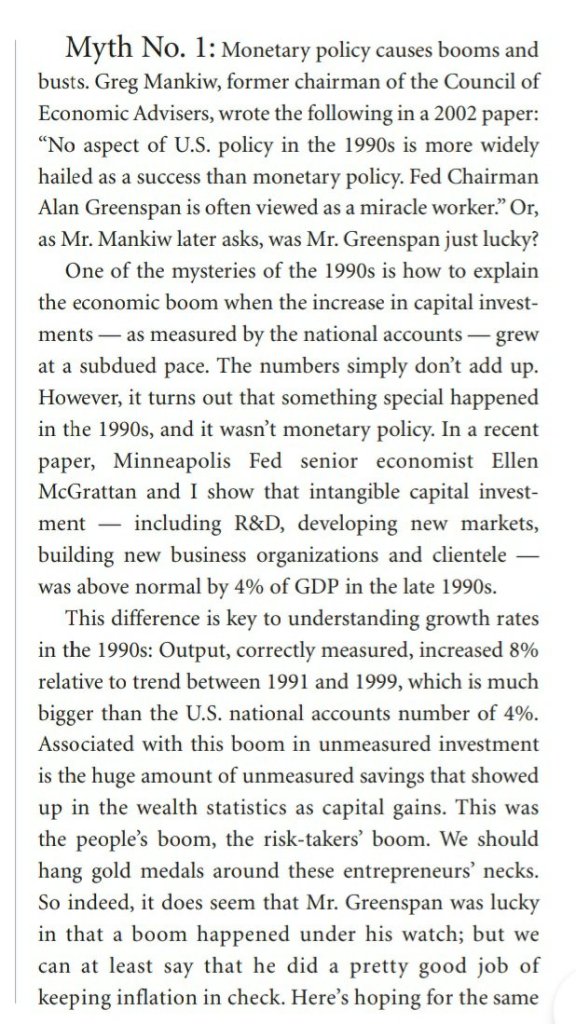
Were you surprised that you were able to construct a model economy which generated fluctuations which closely resembled actual experience in the US?
19 Jan 2022 Leave a comment
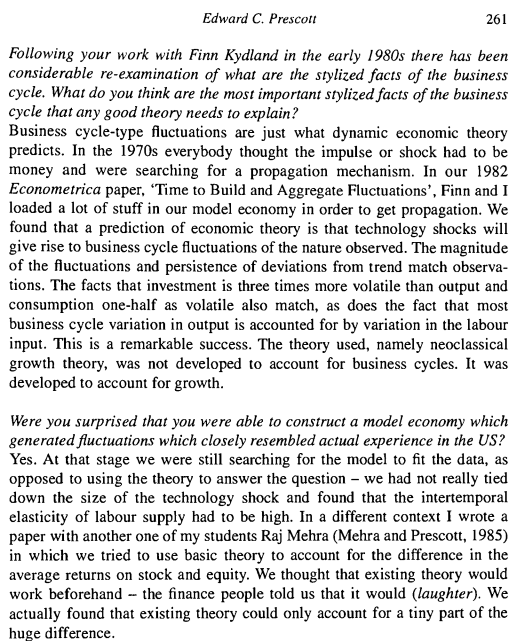
Bryan Caplan – Poverty: Who Is To Blame
18 Jan 2022 Leave a comment
in applied price theory, applied welfare economics, development economics, economic history, economics of education, growth disasters, growth miracles, history of economic thought, human capital, income redistribution, labour economics, labour supply, poverty and inequality, Public Choice Tags: child poverty, family poverty, The Great Enrichment
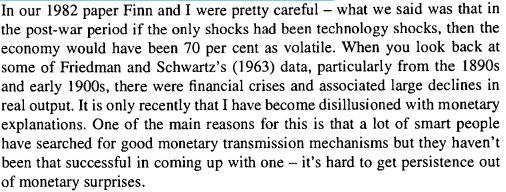
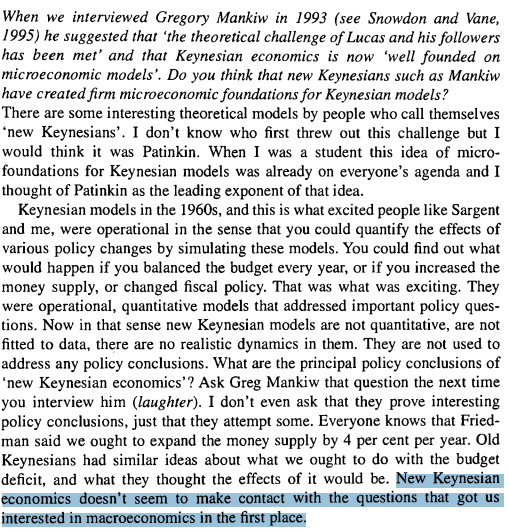
 Utopia, you are standing in it!
Recent Comments